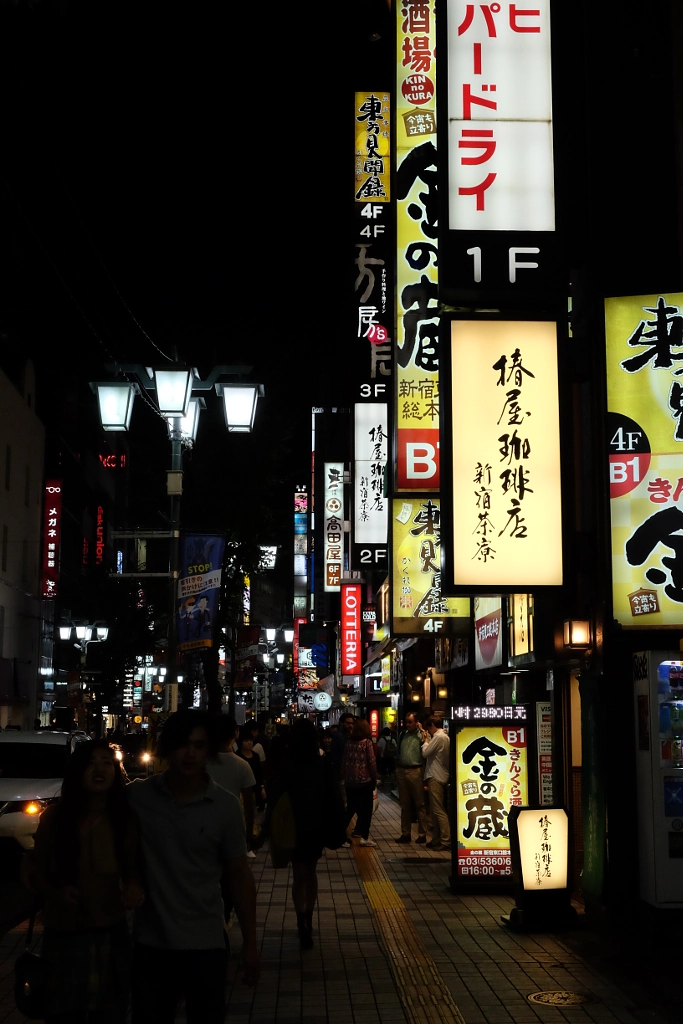
[Japan Series] Day 8: Dotonbori 道頓堀 in Osaka 大阪市

IMG by info9813 on 500px.com

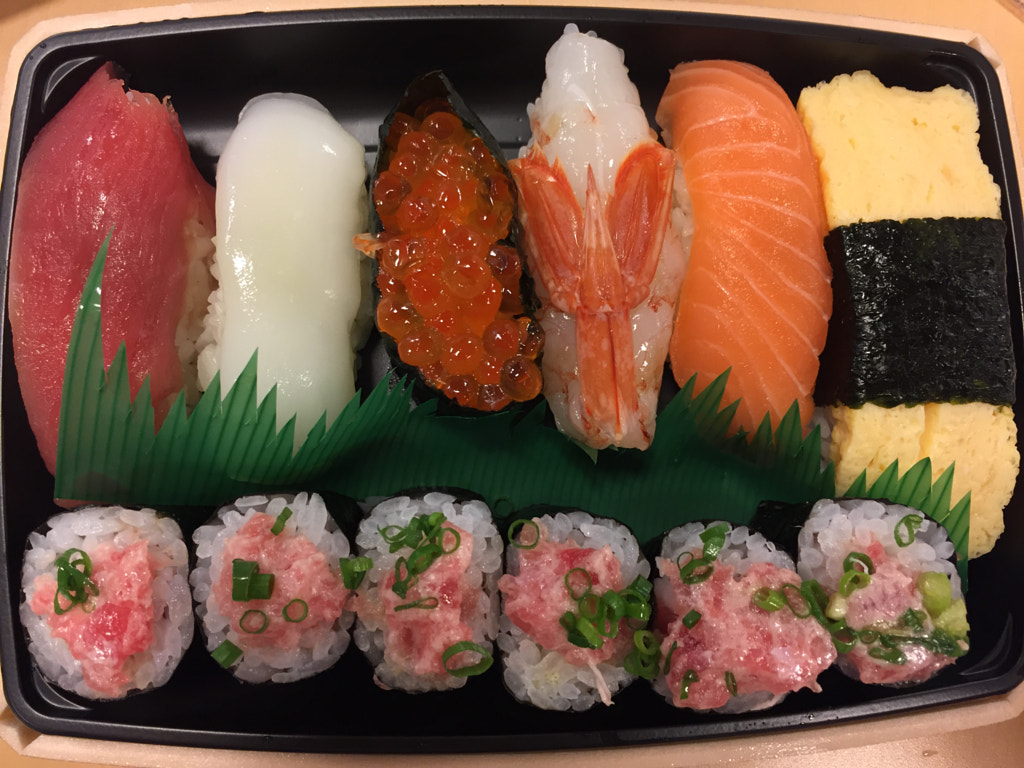
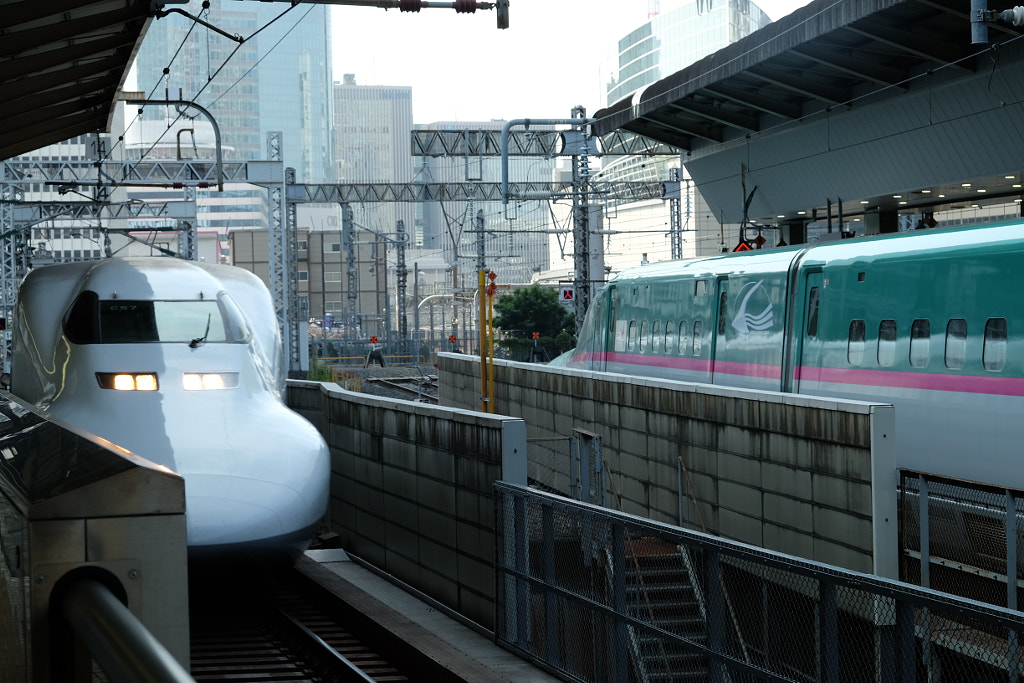
On day 8, we headed to Tokyo Station so we could catch our shinkansen (bullet train) to Shin-Osaka station. We had purchased the JR pass since it was a better deal given we were going to visit Hiroshima as our last stop. I only recommend using the JR pass if you are visiting over 3 cities and doing some calculations on whether the individual tickets are cheaper. For example, if you are visiting Tokyo, Osaka and Kyoto only, then I don’t think the JR pass is that worth it. Anyways, because we had the JR pass, we were able to reserve our seats in advance at the Narita airport (or you can even do so on the day of or just take the non-reserved seats). The Tokyo station is huge and was a bit overwhelming at first, but we arrived early to give ourselves enough time and were able to find our platform. Then we headed back inside the station to see if we could grab some lunch. There are lots of bento boxes available, but to be honest, the items in the boxes didn’t really appeal to me. Instead, I got a quick sushi box that was already prepared ahead of time. Not the most amazing, but this was still fairly good for the price (around $15).
 

DSCF by info9813 on 500px.com

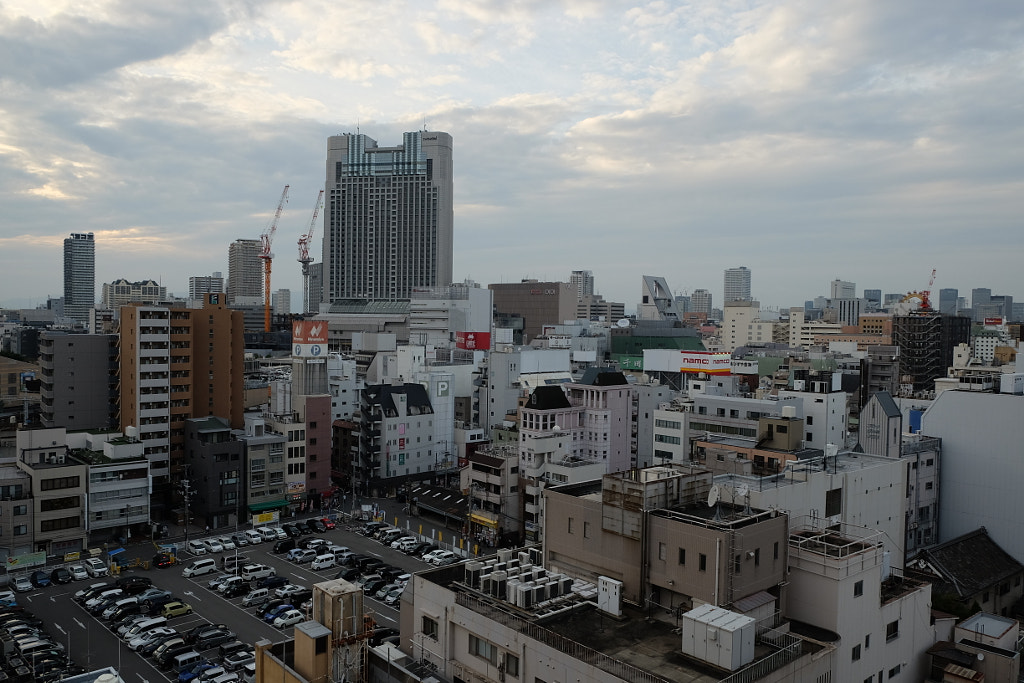
We took the Hikari which is included in the JR pass and it took roughly 3 hours. The Nozumi is another bullet train which only takes around 2.5 hours but is not included in the JR pass. Finally we arrived in Osaka (大阪市) and we had booked an Airbnb in the Namba area. I highly recommend booking accommodation in the Namba/Umeda area as this is the central station for your trains, especially if you are planning on visiting Kyoto or Nara. Plus, there is so much to see around this area. Our accommodation was unfortunately a 10 minute walk from the station, and the streets in Osaka are not as luggage friendly, so it took a bit of effort to lug our huge luggage to our Airbnb. Finally, we arrived and this was the view from our apartment. Not the most amazing view, but we weren’t expecting much.
 

IMG by info9813 on 500px.com

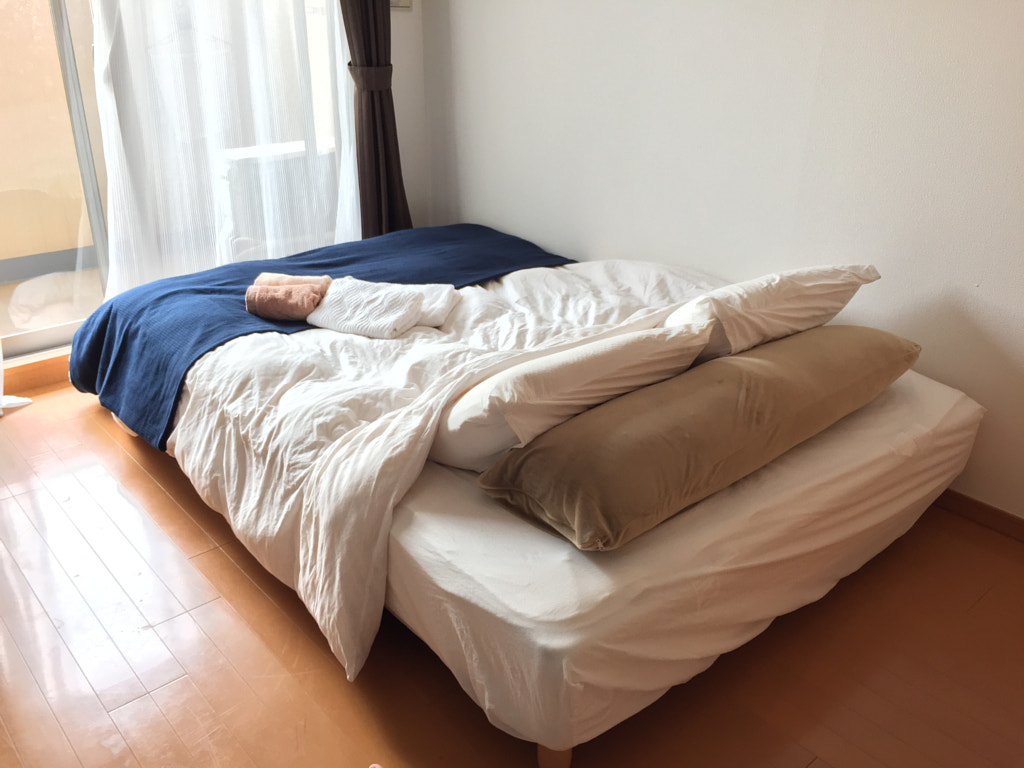
Our Airbnb was actually closer to the Nipponbashi area also known as Den Den Town. Here, there are lots of electronic shops, similar to Akihabara in Tokyo. It was actually a pretty safe and quiet area and only a 10 minute walk to Namba station which we often took. Our flat was simple with a double bed, small kitchen, and a comfortable sized bathroom. Nothing really to complain although we wished we had lived slightly closer to the station as walking home can be tiring after a long day.
 

DSCF by info9813 on 500px.com

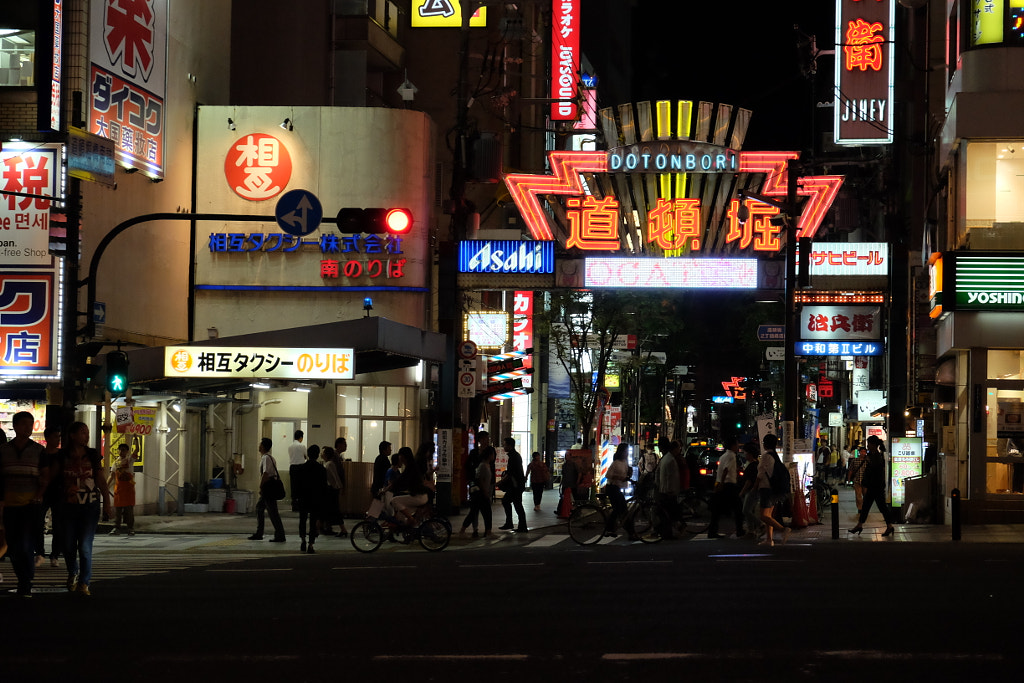
By the time we settled in, it was getting dark and we were hungry for dinner. I suggested we take it chill and check out the nearby famous Dotonbori (道頓堀).
 

DSCF by info9813 on 500px.com

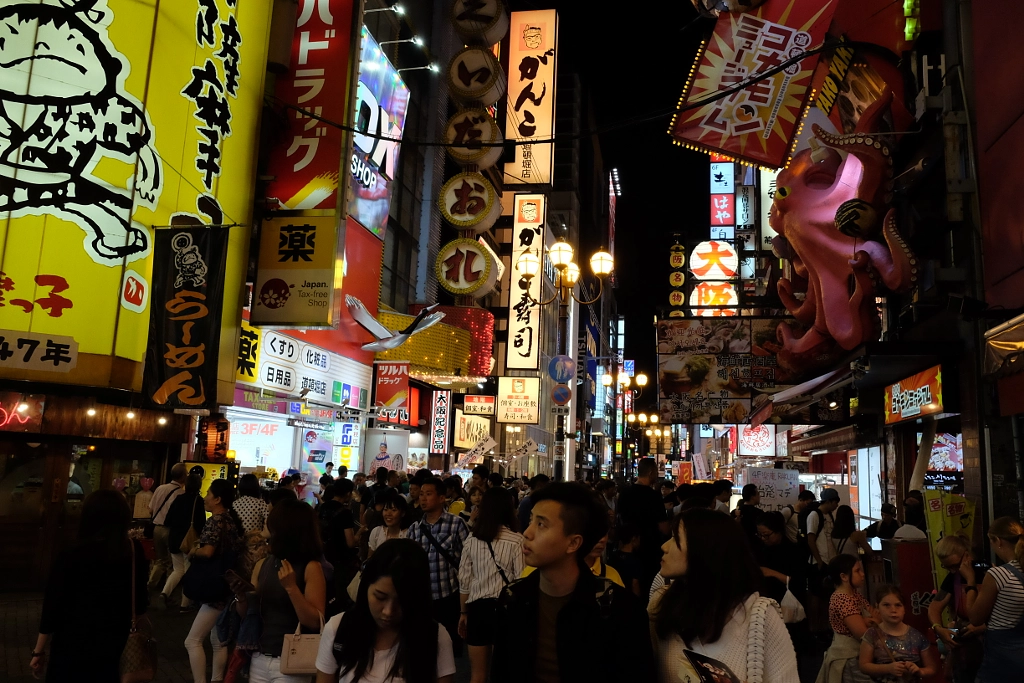
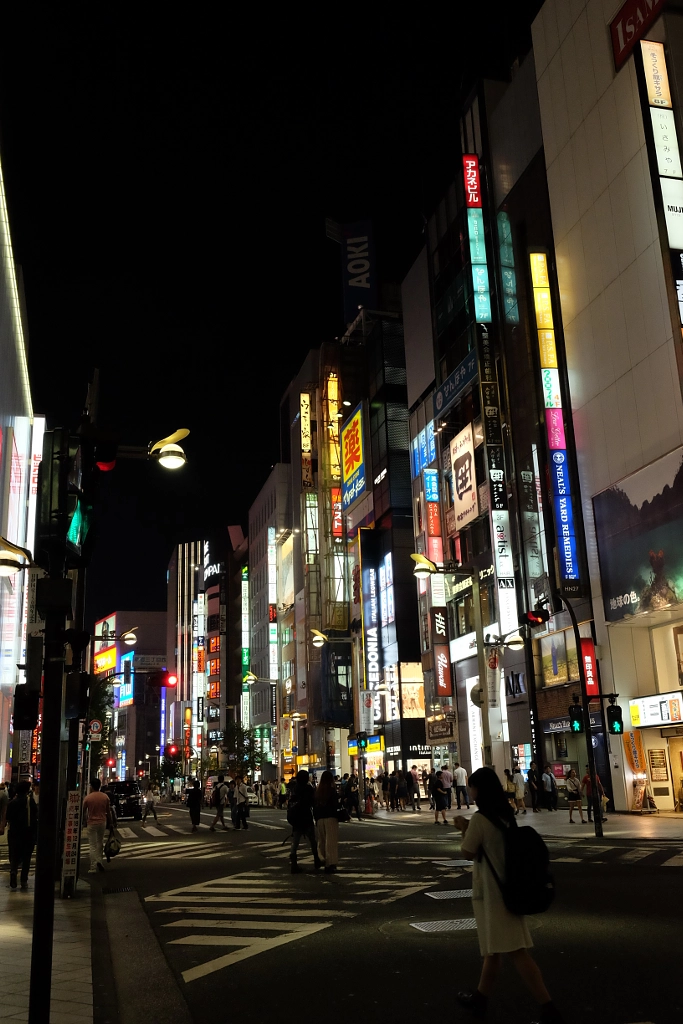
Dotonbori is probably one of Osaka’s most visited tourist spots. It is best visited during the evenings as the neon lights are a sight to see and reminds me of a night market. It seems that the evening is focused on food, whereas the afternoon is more for shopping, although I believe both restaurants and retail stores are open day and night.
 

DSCF by info9813 on 500px.com

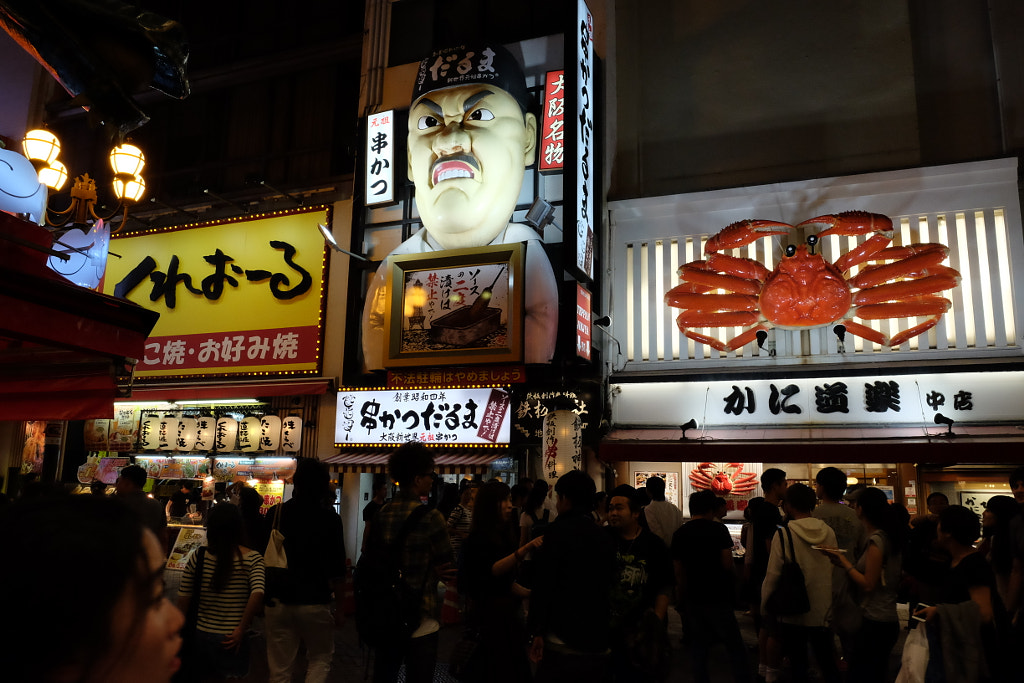
I mean, look at the restaurants signs? Aren’t there already a sight to see?
 

DSCF by info9813 on 500px.com

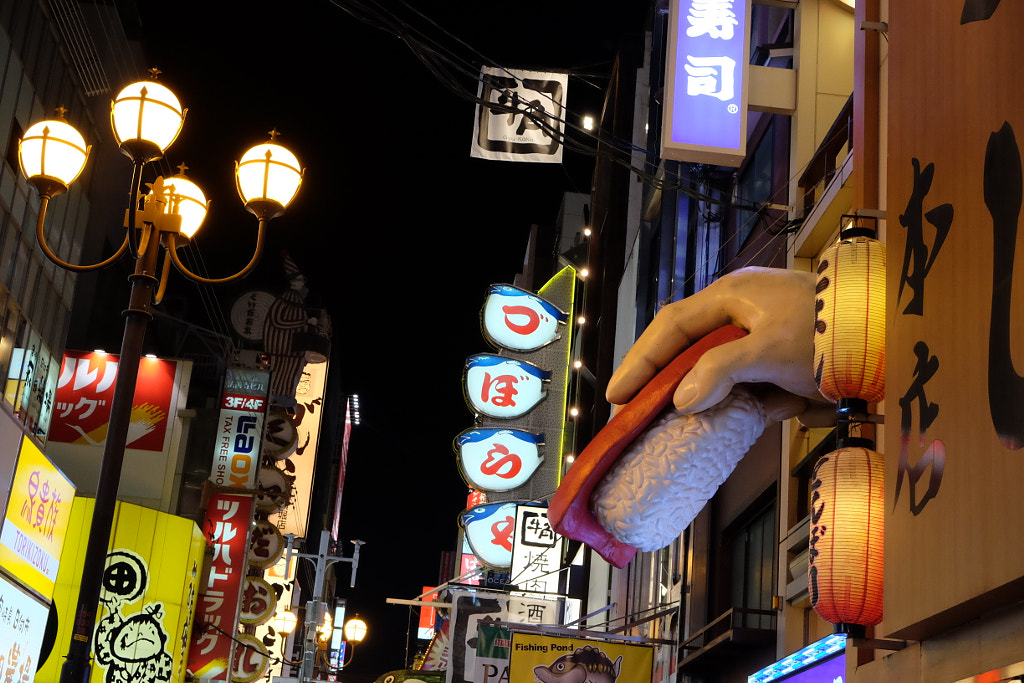
Love the 3-D type of signage they use here, which I felt like Tokyo didn’t really have much of.
 

DSCF by info9813 on 500px.com

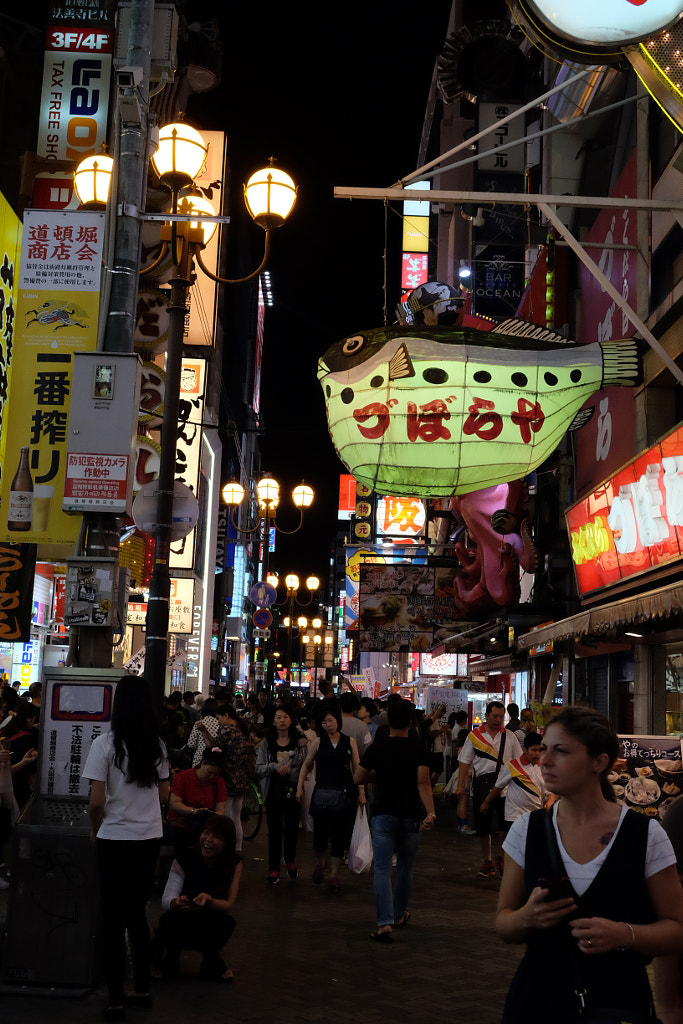
Pufferfish (fugu 河豚) sashimi is famous to eat here. This is a delicacy because it takes skills of a highly trained chef to prepare this fish. It has a toxin that if not correctly prepared can kill you! If you are going to try this fish, then Osaka is likely the place for you as they are rather famous for it. As S does not eat much sashimi, I didn’t want to eat this on my own, so skipped this.
 

DSCF by info9813 on 500px.com

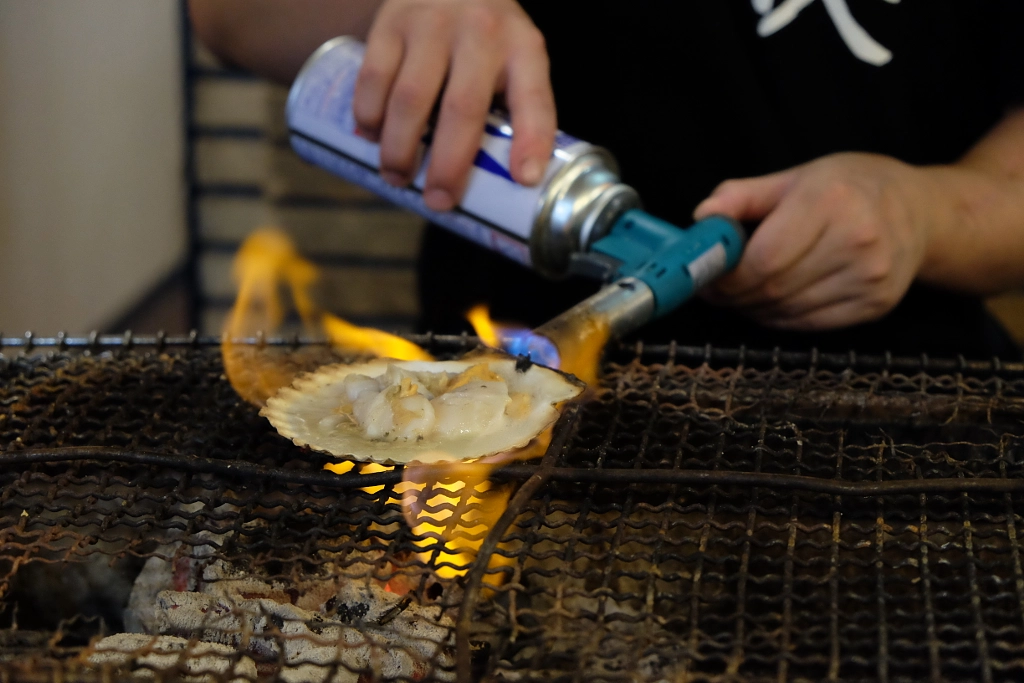
After wandering the streets for a while, I decided to try the grilled scallop. They prepare this to order and it involves some large flames!
 

DSCF by info9813 on 500px.com

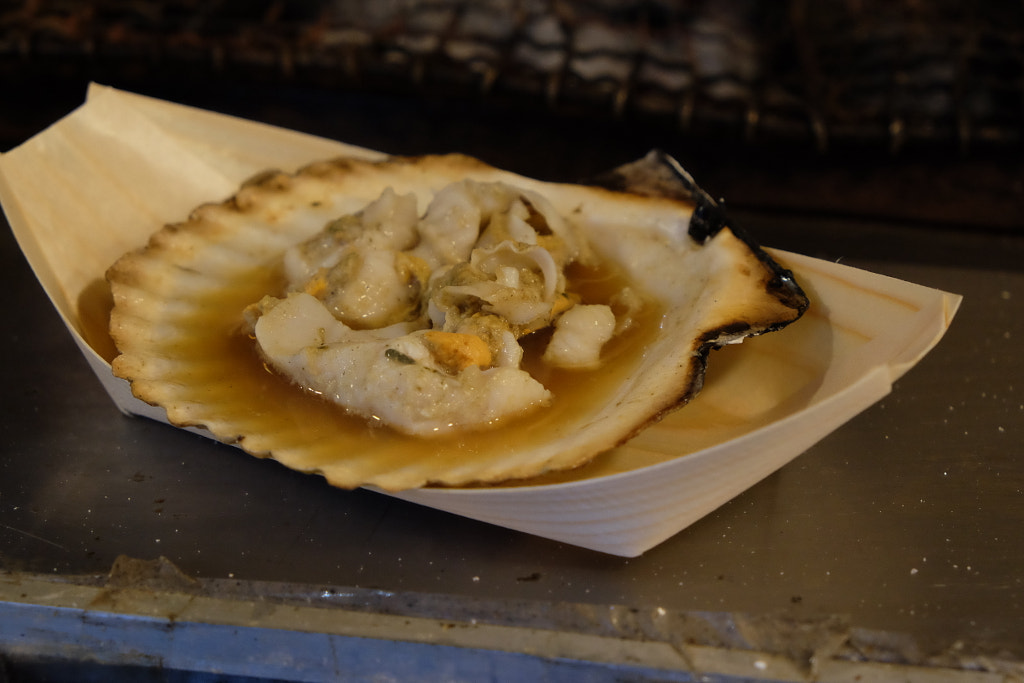
This was actually quite average as the scallops was slightly too chewy and it also had some sand in it. I guess it was not washed well.
 

DSCF by info9813 on 500px.com

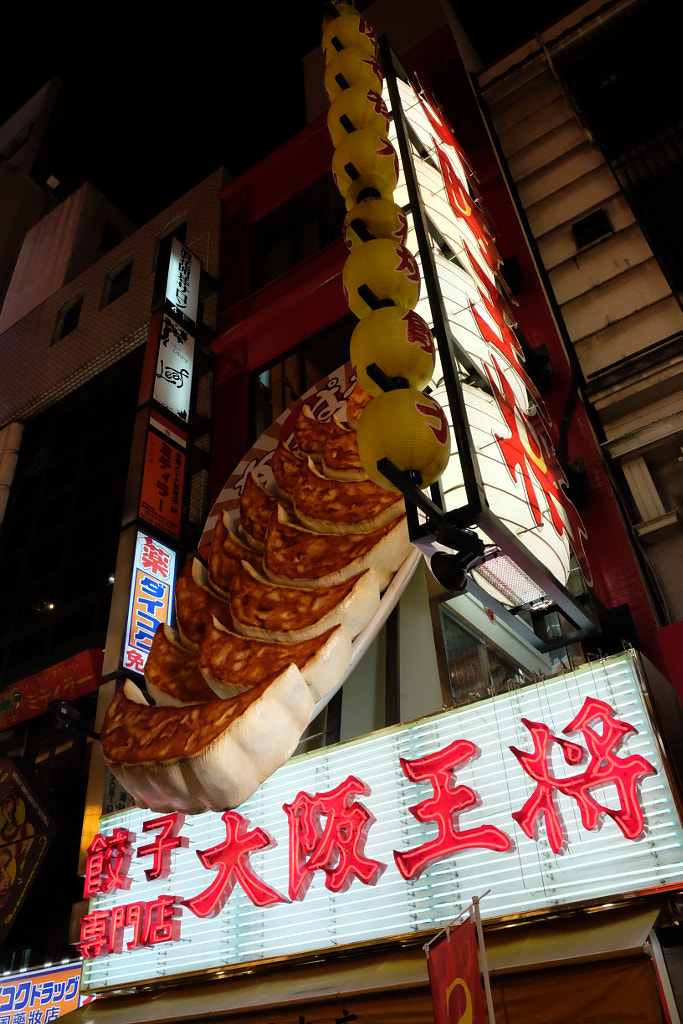
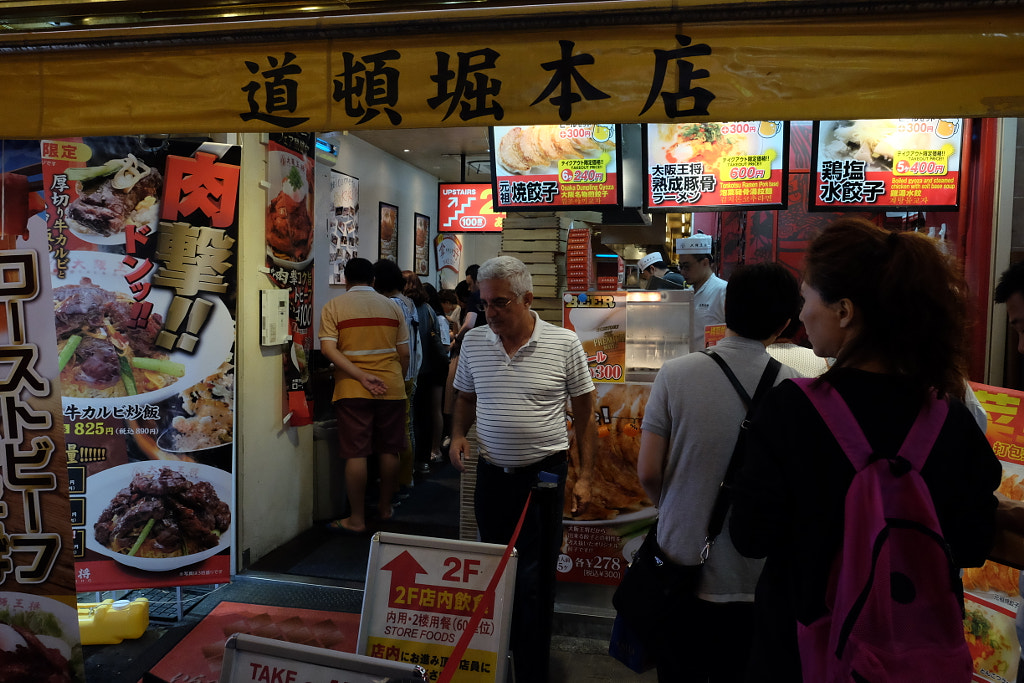
Continuing on, we tried Osaka Ohsho (大阪王将 道頓堀本店). They claim themselves as the king of gyozas and you will not miss this shop as there is a huge gyozo signage (a sight to see itself!).
 

DSCF by info9813 on 500px.com

They seem to cater to tourists as there is English on the menu, but at 6 pieces of gyoza for only 240 yen, it is a deal of itself. As you can see, the shop is a standing gyoza bar though, and you must stand on the left where there is a bar table with some condiments to eat. The good thing is people eat this quickly, so you will find a spot easily.
 

DSCF by info9813 on 500px.com

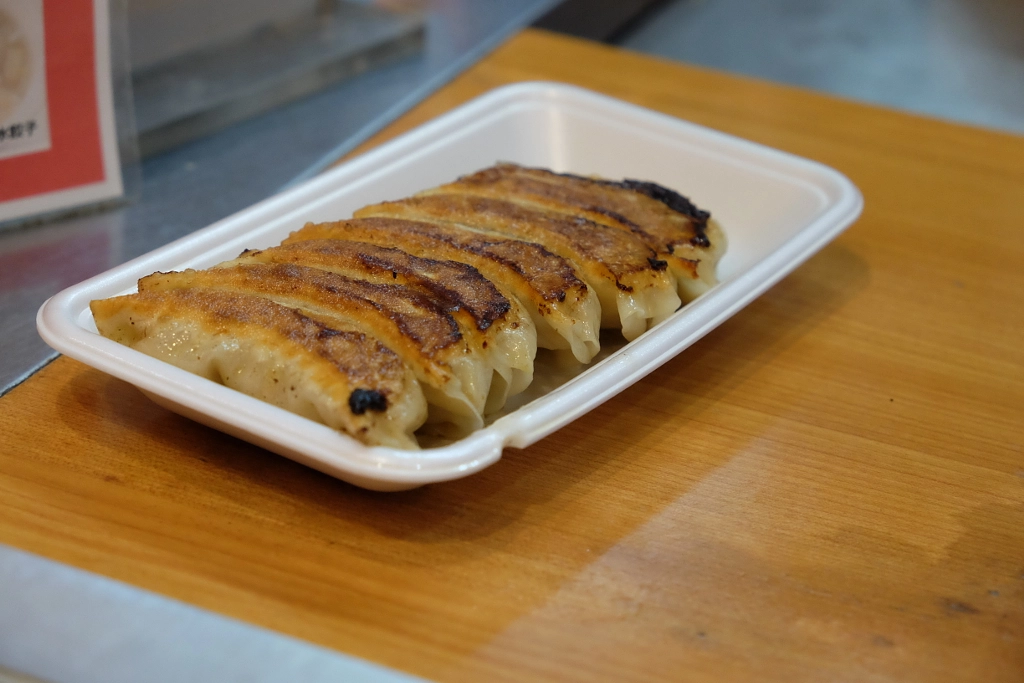
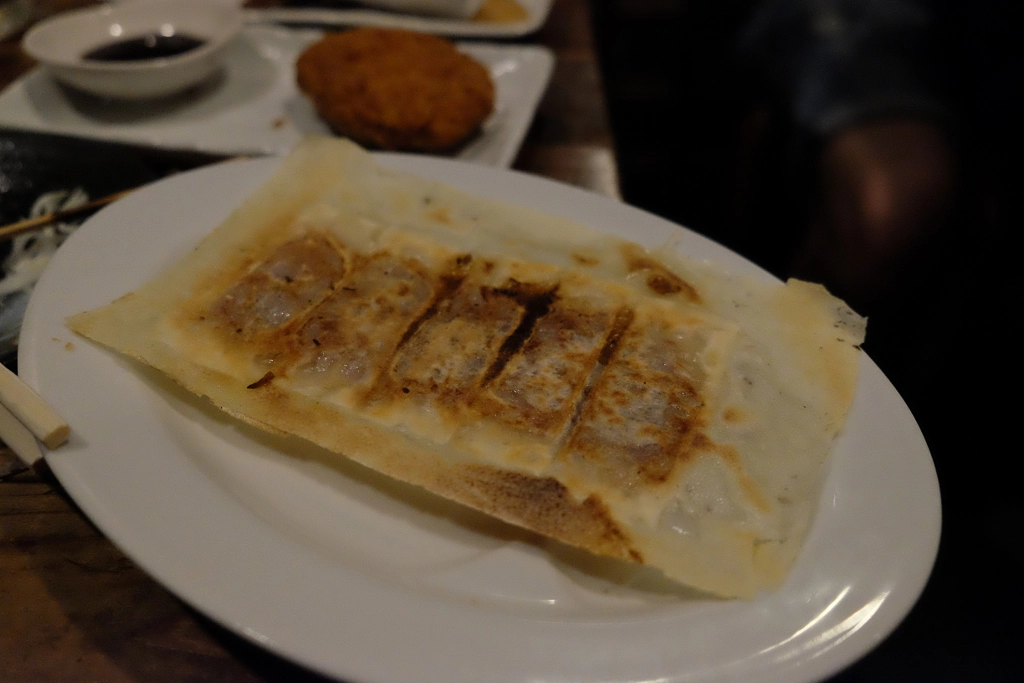
I wasn’t expecting much of these gyozas, but we actually found these to be really good. They are made fresh and there is a generous amount of filling. The bottom was fried crispy and along with the gyoza sauce, it was a perfect snack.
 

DSCF by info9813 on 500px.com

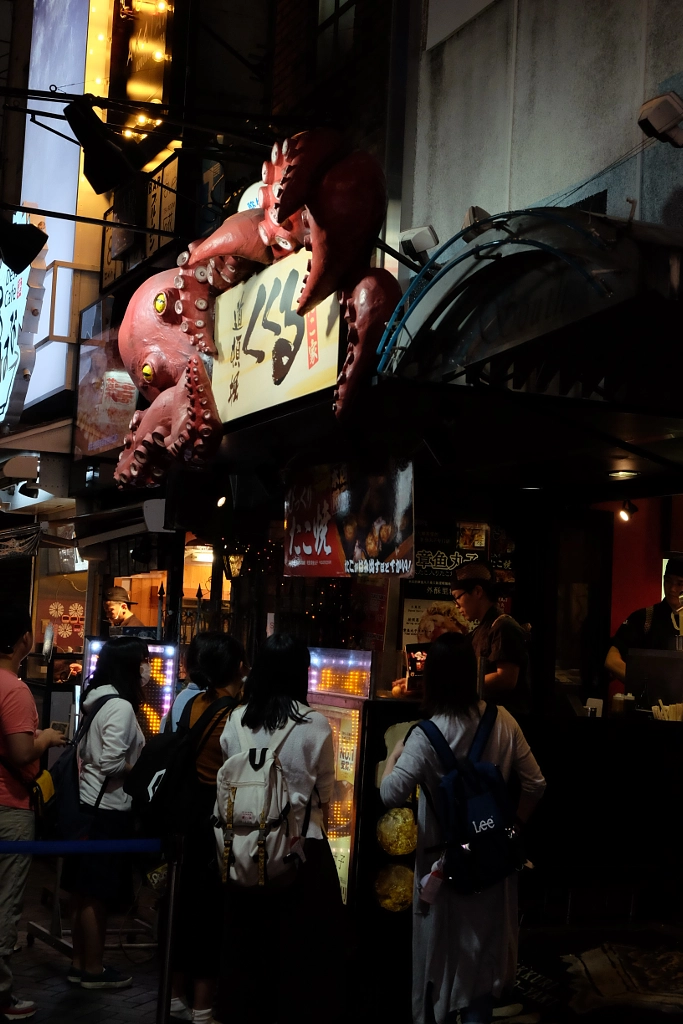
Given Dotonbori has more street food, we had to give the Takoyaki a try. There are quite a few stalls but we settled on Kukuru (たこ家道頓堀くくる 本店) just because we saw a huge line up. Turns out, this is a spot that has been featured on TV. The line actualyl was quite long and we waited probably almost 30 minutes. They make batches at once but there are so many people, so we still had to wait a while. You can also sit in where you can try other flavours of takoyaki, but I believe the take out box is cheaper.
 

DSCF by info9813 on 500px.com

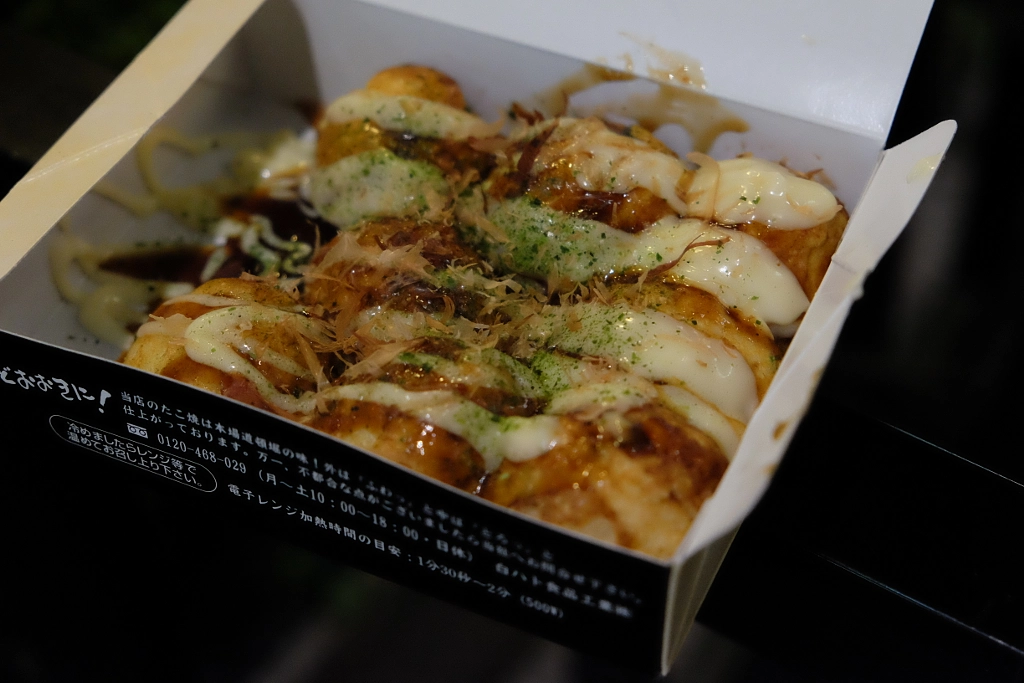
We got the minimum order of 8 takoyakis which cost around 600 yen. Not super cheap, but I like how they make them fresh. It is topped with some japanese mayo, bonito flakes and seaweed powder. There was octopus in every ball and the inside was a nice gooey chewy texture. My only complaint is that I wish they were more crispy on the outside as I found they sort of stuck together. Would I line up for it again? Probably not. But if the line is short, then these are not bad.
DSCF by info9813 on 500px.com

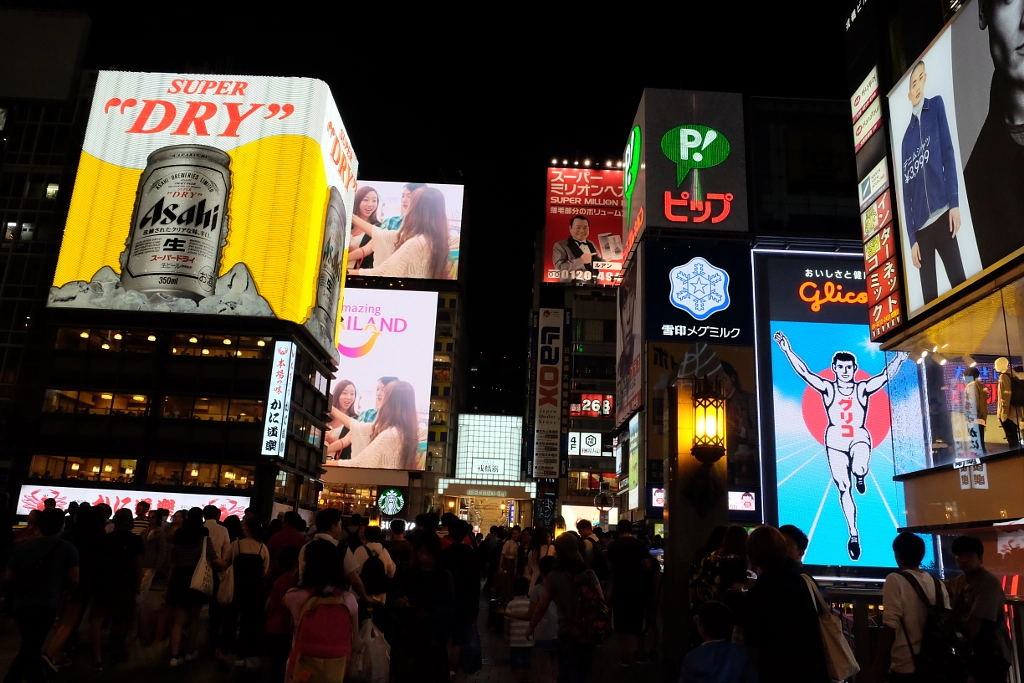
A must see in Dotonbori is the Glico running man sign! Head towards the center of the Dotonbori streets where you will find a bridge above Dotonobori river and you will find all these advertisements. The Glico man ad has actually been around for 70 years (longest standing ad, although there have been many versions of it).
 

DSCF by info9813 on 500px.com

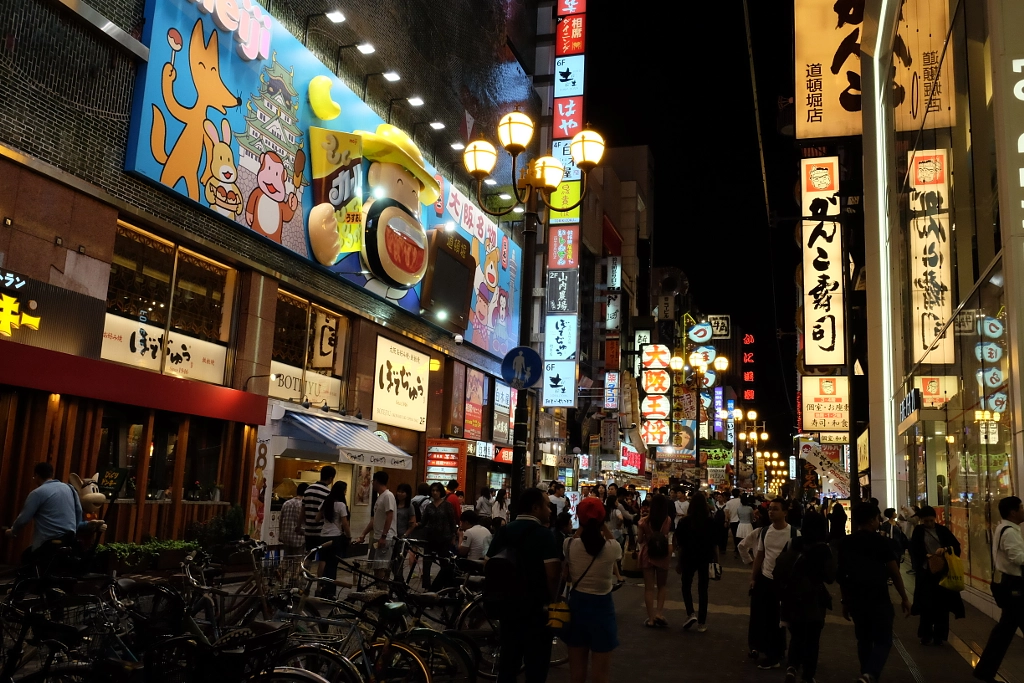
There are seriously so many eateries in this area. Even if you stray further away from the crowds, you will find many stores and restaurants.
 

DSCF by info9813 on 500px.com

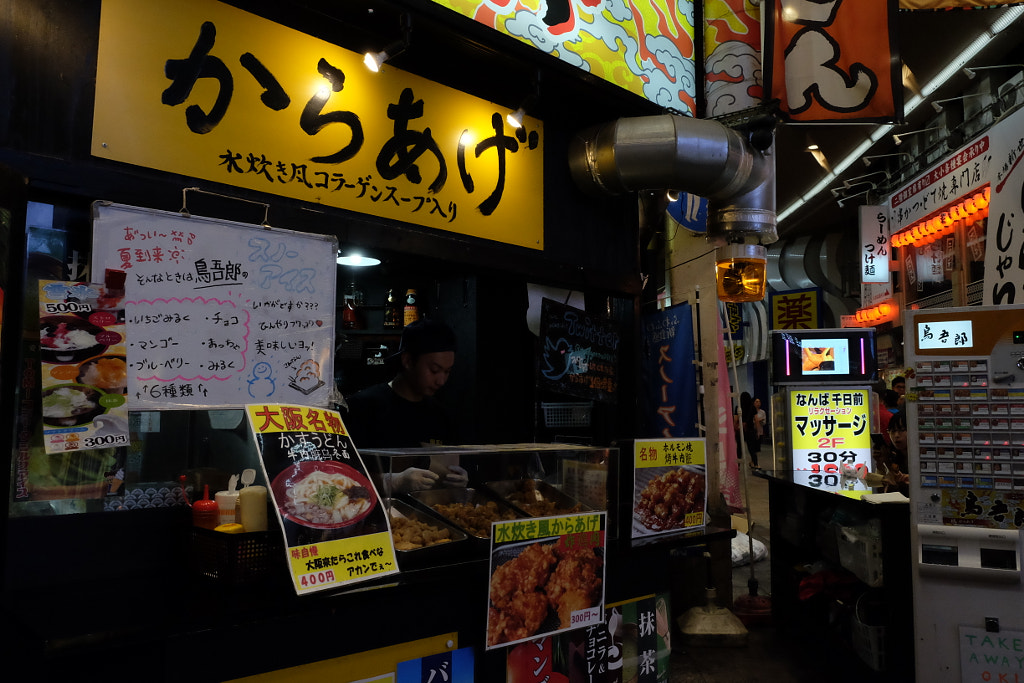
As we headed back to our Airbnb, we saw a fried chicken stall, and of course S wanted this. It wasn’t very busy but S craved it.
 

DSCF by info9813 on 500px.com

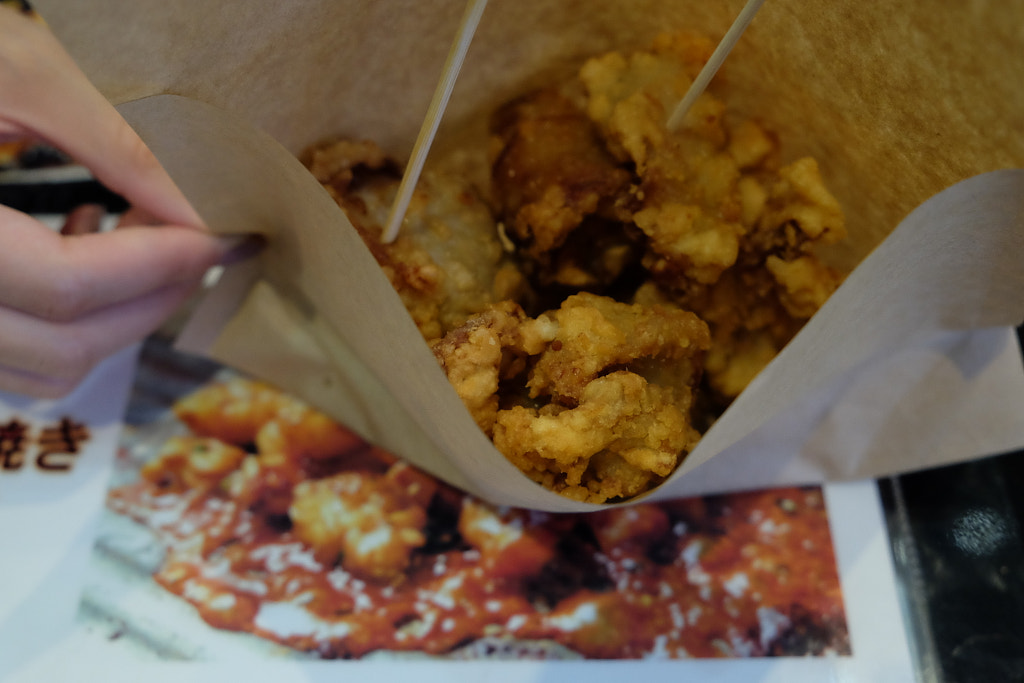
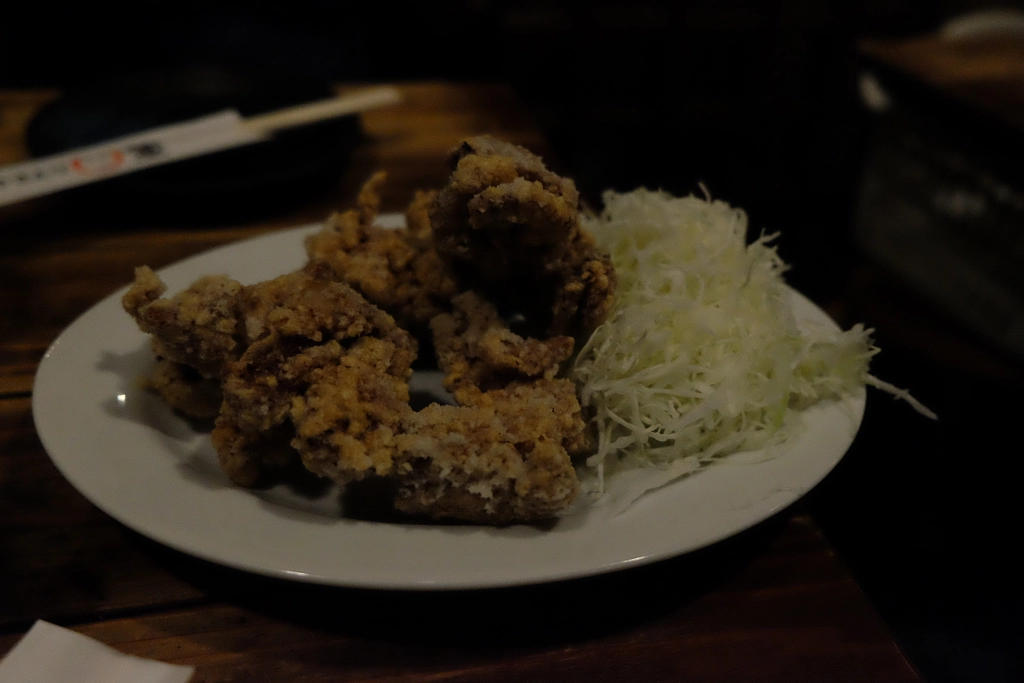
We got a bag of Chicken Karaage which was piping hot. Chicken was moist and batter was crispy. Not bad.
 

DSCF by info9813 on 500px.com

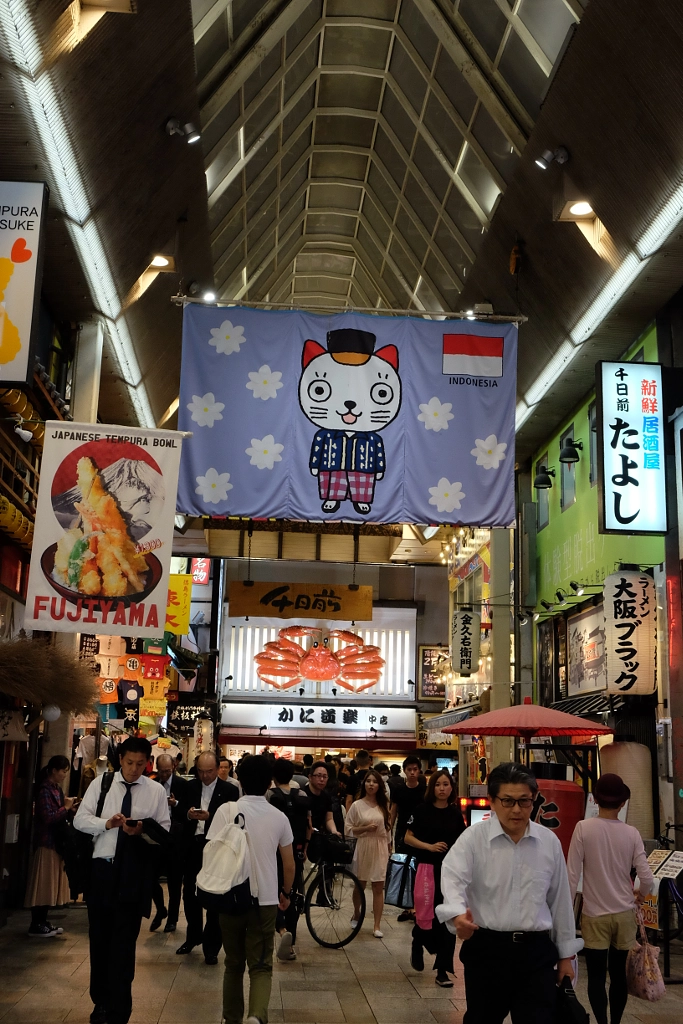
Heading back, we actually wandered into the Shinsaibashi Shopping Arcade. It is a covered area with boutiques, retail stores and restaurants. A less quiet area during the evenings, but very busy during the day time. With our tummies full, we headed back to rest and prepare for our next day!

Dotonbori
Address: Dotonbori, Chuo Ward, Osaka, Osaka Prefecture 542-0071, Japan


Osaka Ohsho (Gyozas)
Address: 1-6-13 Dotombori, Chuo-ku, Osaka 542-0071, Osaka Prefecture

Kukuru (Takoyaki)
Address: 1-10-5 Dotonbori, Chuo-ku, Osaka, Osaka Prefecture
[Japan Series] Day 7 Cont’d: Namja Town at Sunshine City in Ikebukuro (池袋)

DSCF by ukijojo on 500px.com

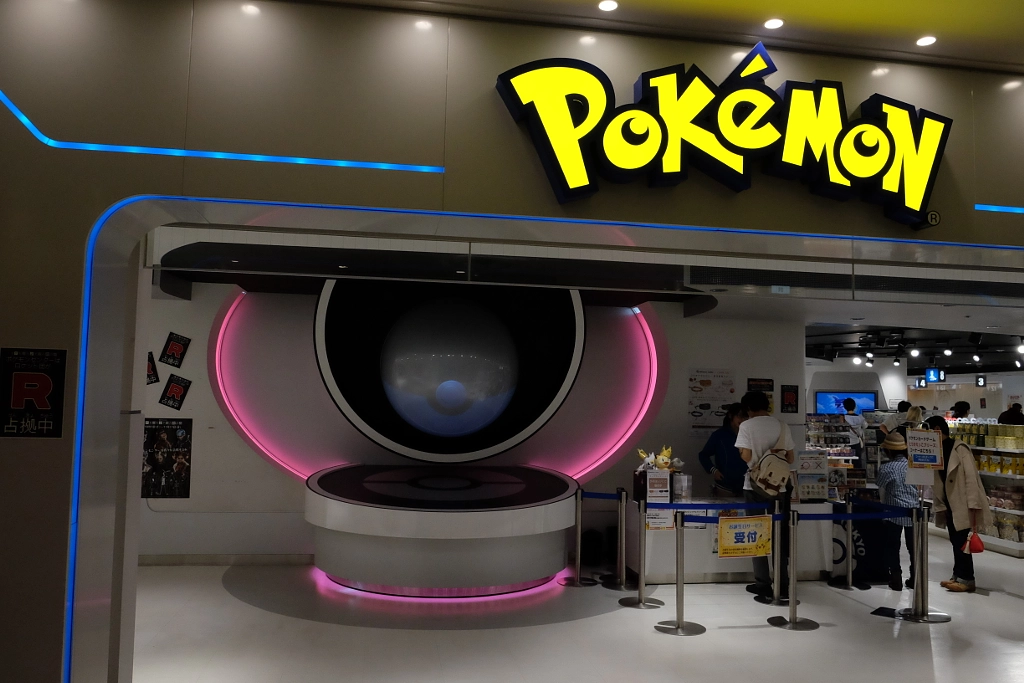
Being the jam-packed traveler that I am, on the way back from Odaiba, I suggested to S that we check out one more district. This was Ikebukuro (池袋). It has the second busiest railway station in Tokyo and offers entertainment, shopping and dining. The destination this night was to Sunshine City (サンシャインシティ) though, a shopping mall near the station. I actually remember living in a hotel near here back when I traveled with my parents. We stumbled upon the Pokemon Center while walking through the mall. They feature lots of Pokemon merchandise, many which I think are exclusive to Japan. I swear S had a really good time looking at the merchandise here!


DSCF by ukijojo on 500px.com

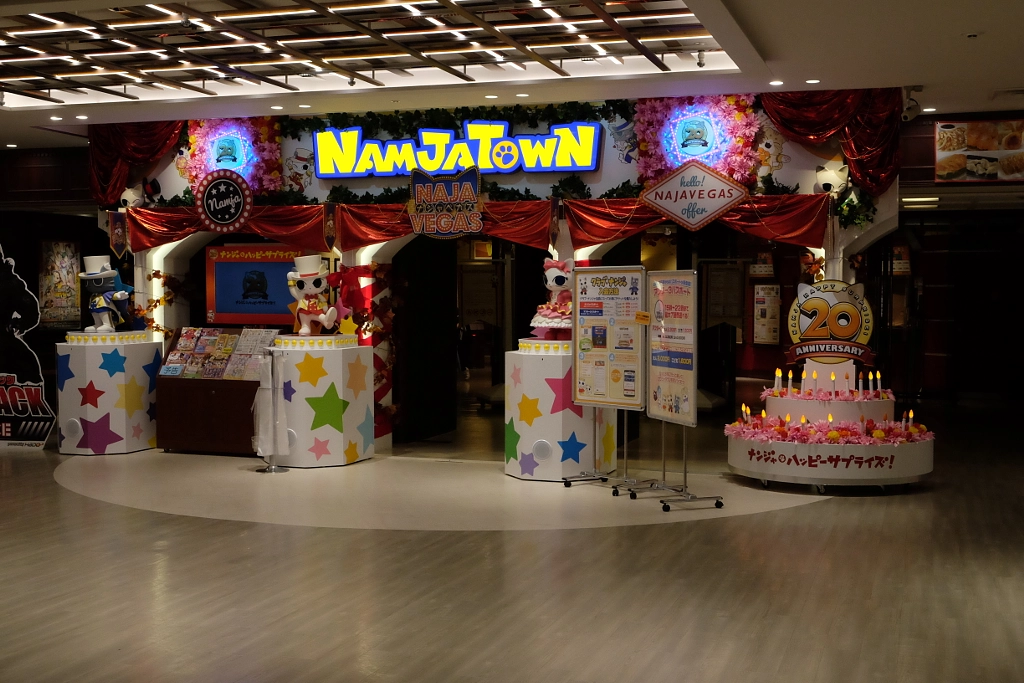
The real reason I cam here was because my sister had suggested we visit Namja Town. This is an indoor theme park by the creator of Pacman and houses some interesting attractions. However, admission is 500 yen.

DSCF by info9813 on 500px.com

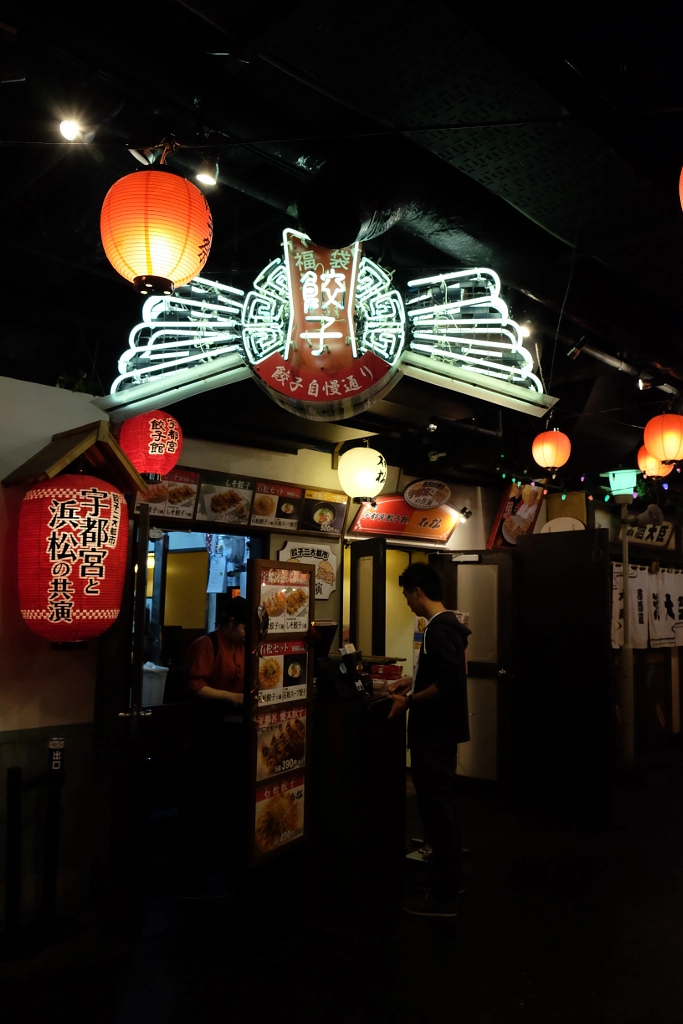
One attraction is the Gyoza Alley. Inside, there is a lane of gyoza shops. However, when we arrived, there were barely any people (probably because it was dinner time). It felt like a ghost town. Gyozas were also quite pricey here, especially after paying the admission to get inside.


DSCF by ukijojo on 500px.com
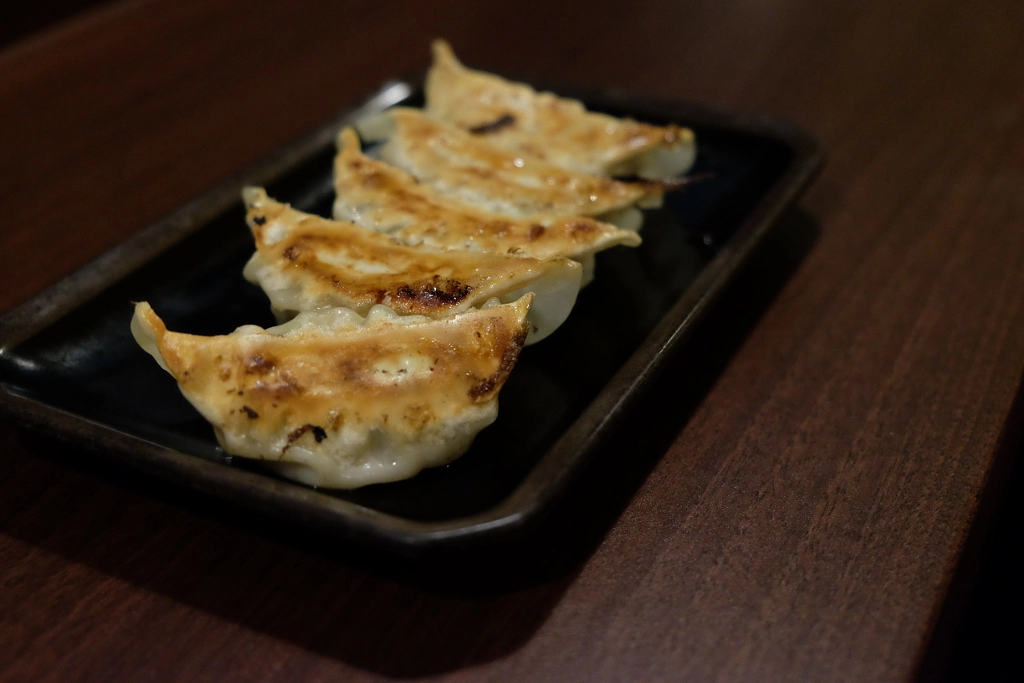
Since we were here, we decided we should still give it a try. We shared a plate of gyozas, and they were pretty good. I feel like any gyozas in Japan are good compared to in Vancouver though…

IMG by info9813 on 500px.com

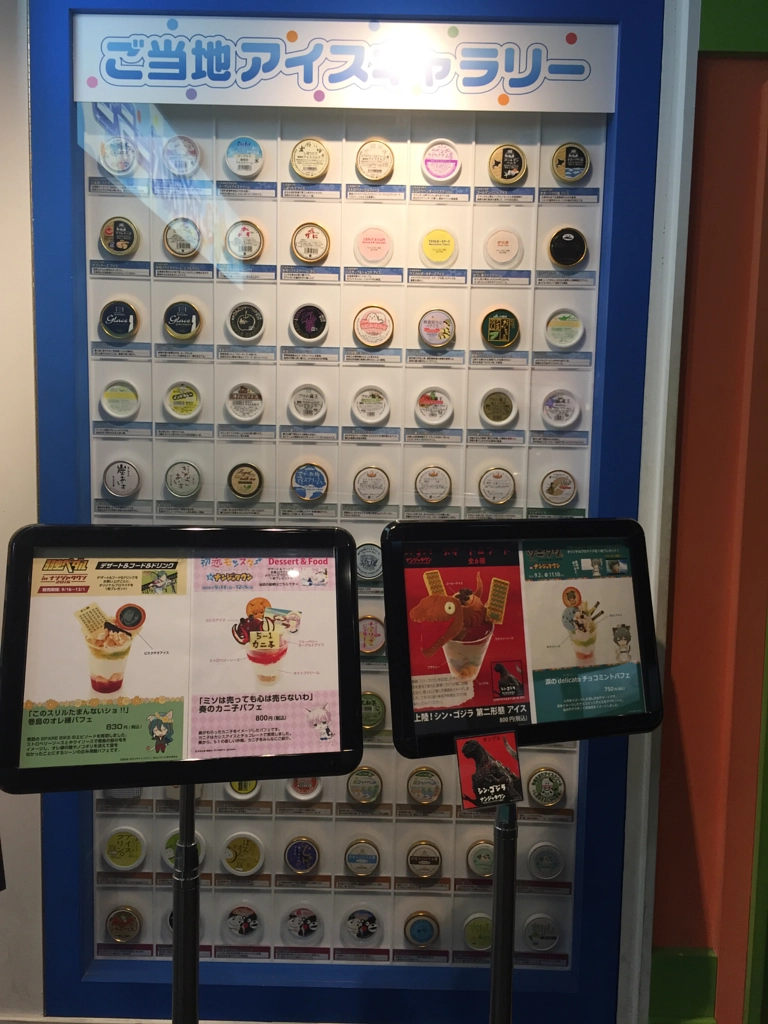
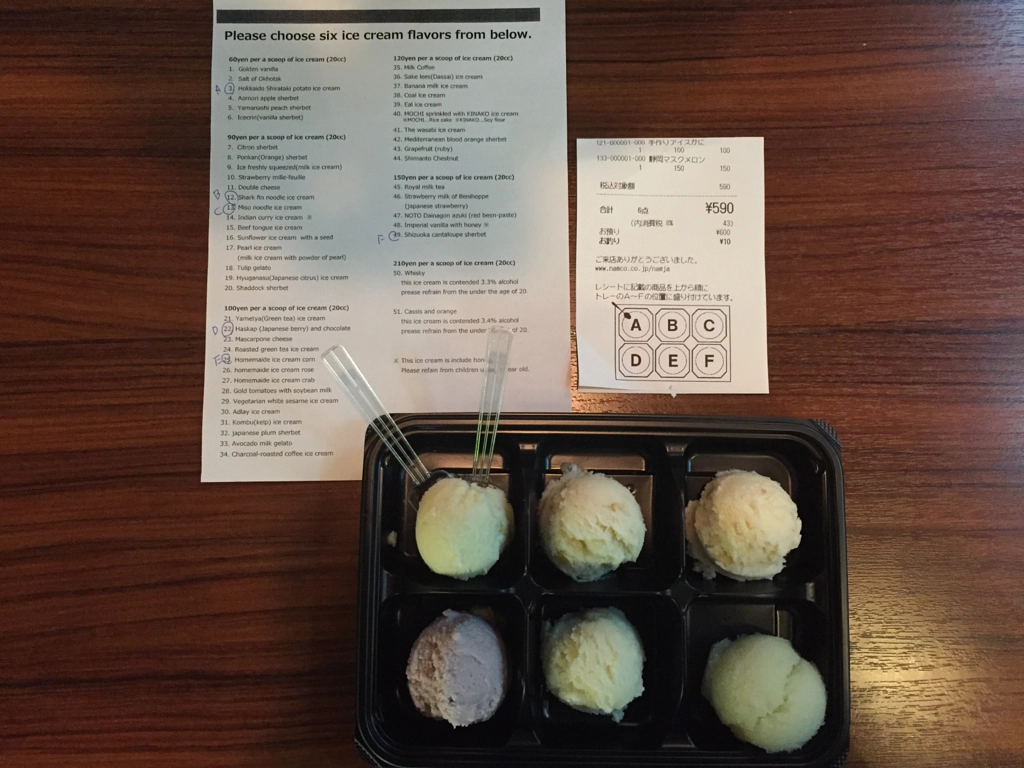
The second attraction that made me want to visit was the shop at Ice Cream City. This ice cream shop features the weirdest flavours. You can choose from a collection of 50! There are normal flavours too, but of course I had to go for the unusual ones!


IMG by info9813 on 500px.com

The ice cream here is not cheap. To get a tasting of 6 different flavours, it costs 590 yen. But as you can see, the scoops are quite small.  Here is what I tried: Hokkaido Shirataki Potato Ice Cream, Shark Fin Noodle Ice Cream, Miso Noodle Ice Cream, Japanese Berry and Chocolate, Homemade Ice Cream Corn, and Shizouka Cantaloupe Sherbet. And guess what? The ice cream literally tasted just like each description. The shark fin had some fake noodles in it, and the miso was like eating ramen. The Japnese Berry and Cantaloupe were delicious but the odd flavours were the highlight for sure. Would I order a whole scoop of these? Probably not.

Namja Town was a bit of a disappointment to be honest. All the games inside are only in Japanese and are not included as part of the admission price. The food inside is interesting but if you add the admission and the cost of the food, then it’s quite expensive. I would skip this unless you have kids or can actually read Japanese.


IMG by info9813 on 500px.com

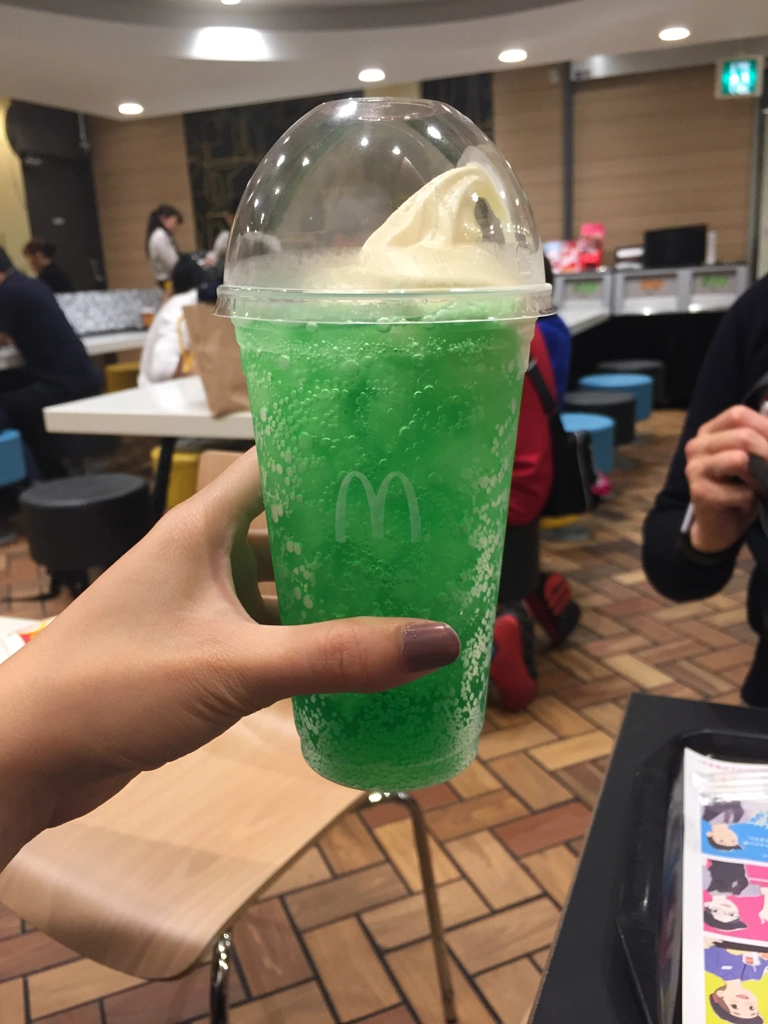
We didn’t find that there was too much to do in Ikebukuro. The area was quite similar to other areas with lots of shops and dining. However, we were sort of craving some snacks and walked past a McDonald’s… Ok I usually don’t like to eat McDonald’s when I travel, but in Asia, the menu items at McDonald’s is always so interesting. Here, the Fanta Melon Ice Cream Float caught my eye. Fizzy and bright green, the drink was a bit of a disappointment. The soft server melted in quickly and the flavour was just average. Nothing special.

IMG by info9813 on 500px.com

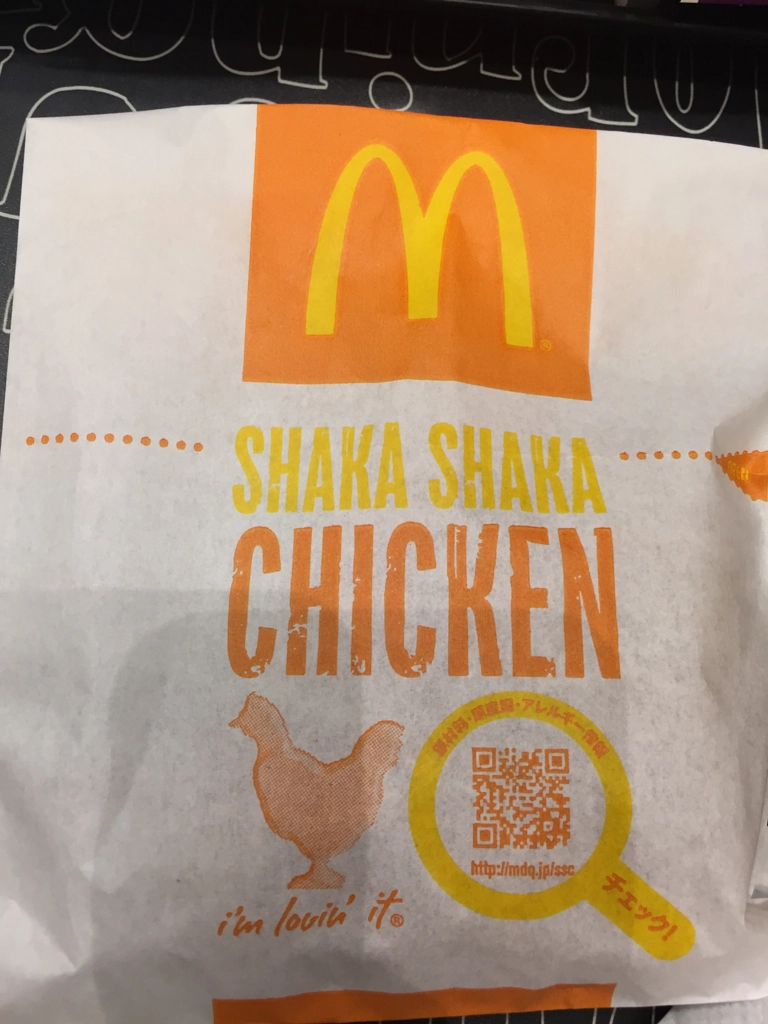
S opted for the Shaka Shaka Chicken which is sort of like a shake shake fried chicken. You can choose flavours like cheese or spicy, and they give you this packet of power which you dispense in and you just hold the bag and shake it. The chicken cutlet was pretty good and this was fairly cheap.


IMG by info9813 on 500px.com

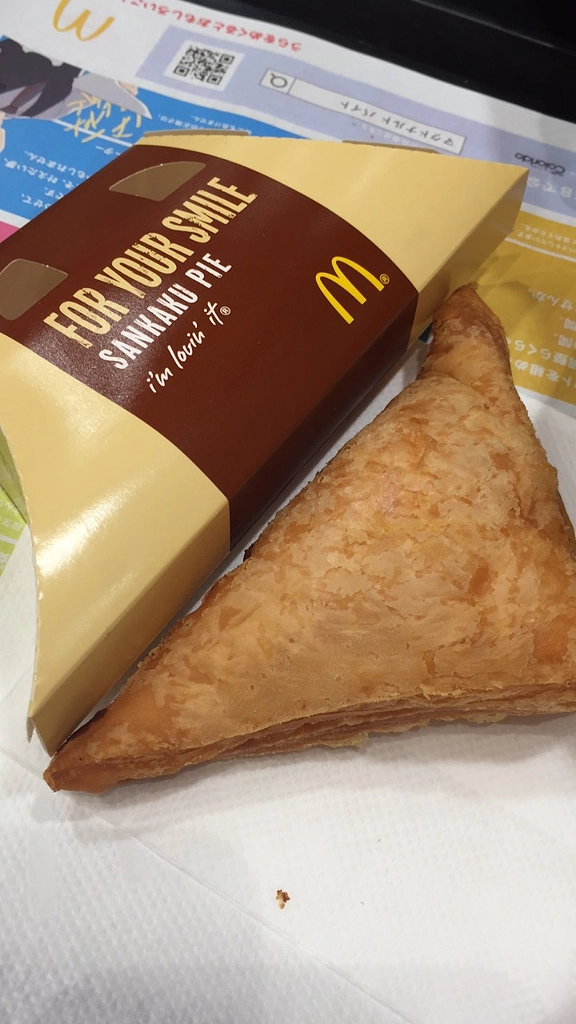
I suggested we try the Sakura Peach Pie. The pie is flaky and quite different from the ones in Vancouver. The filling inside was delicious. Don’t expect real peaches, but it tasted just like those Japanese peach candy! Probably artificial but I love that flavour!

And with McDonald’s to end our last day in Tokyo, we headed back to our Airbnb to pack up. Off to Osaka!

Sunshine City
Address: Sunshine City, 3丁目-1番 Higashiikebukuro, Toshima, Tokyo 170-0013, Japan

[Japan Series] Day 7: Toyota Mega Web, Miraikan, and More in Odaiba お台場

IMG by info9813 on 500px.com

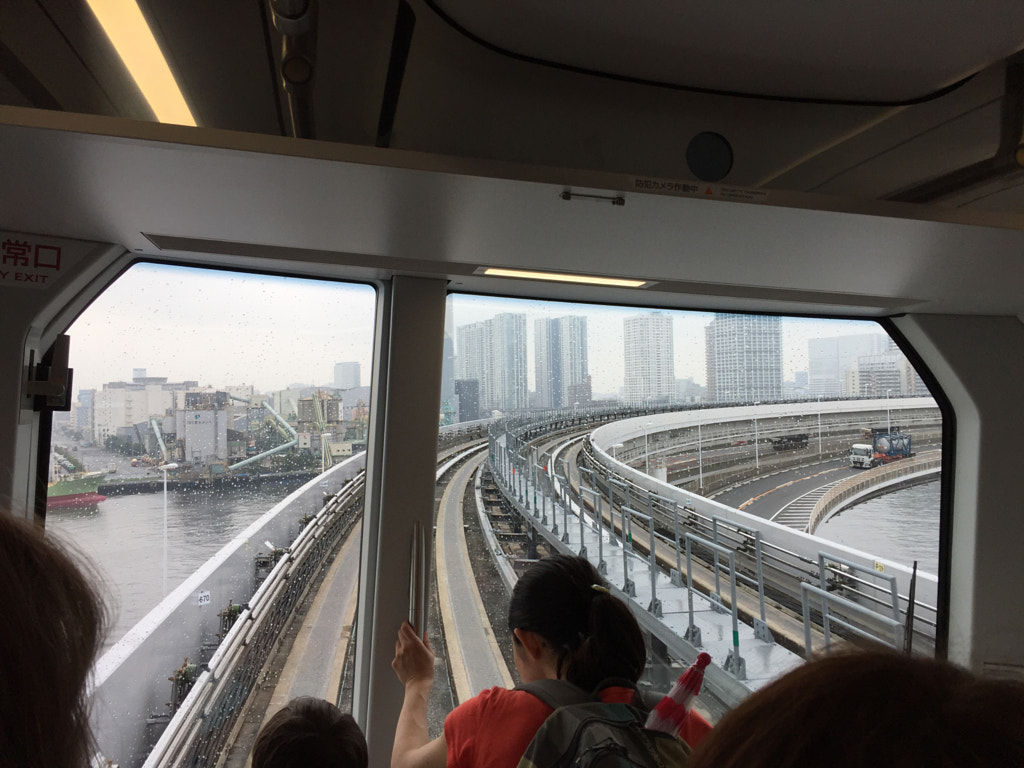
Sadly, it was our last full day in Tokyo. The next day we would be traveling to Osaka. I felt like we had visited most of the districts in Tokyo but there was one area that I had visited in the past that S said he had not. This was Odaiba (お台場), a man-made island in Tokyo Bay. It used to be man made fort islands, but today it is a futuristic residential and business district famous for shopping and entertainment. For me, I find that this area is very modern and a relaxing spot for a date or with the kids. To get here, you need to take the Yurikamome, which is an automated elevated train (sort of like our sky train in Vancouver). You need to start from Shimbashi station and it will get you to all attractions in Odaiba. This is not covered by the JR pass, so you will need to pay the fare (which I believe is slightly more than usual). If you will take the train more than two times, then you can buy the 1-day pass. However, since we walked throughout Odaiba instead, it was cheaper for us to pay single fare as we only took the train round trip. What I really enjoyed was that this train crosses the Rainbow Bridge which gives you beauitful views of the harbour and waterfront. Unfortunately, it was drizzling that morning, but it is still beautiful to see. So be sure to grab a window seat or the head of the train! The whole ride will take around 15 minutes from Shimbashi.


DSCF by SophiaHo on 500px.com

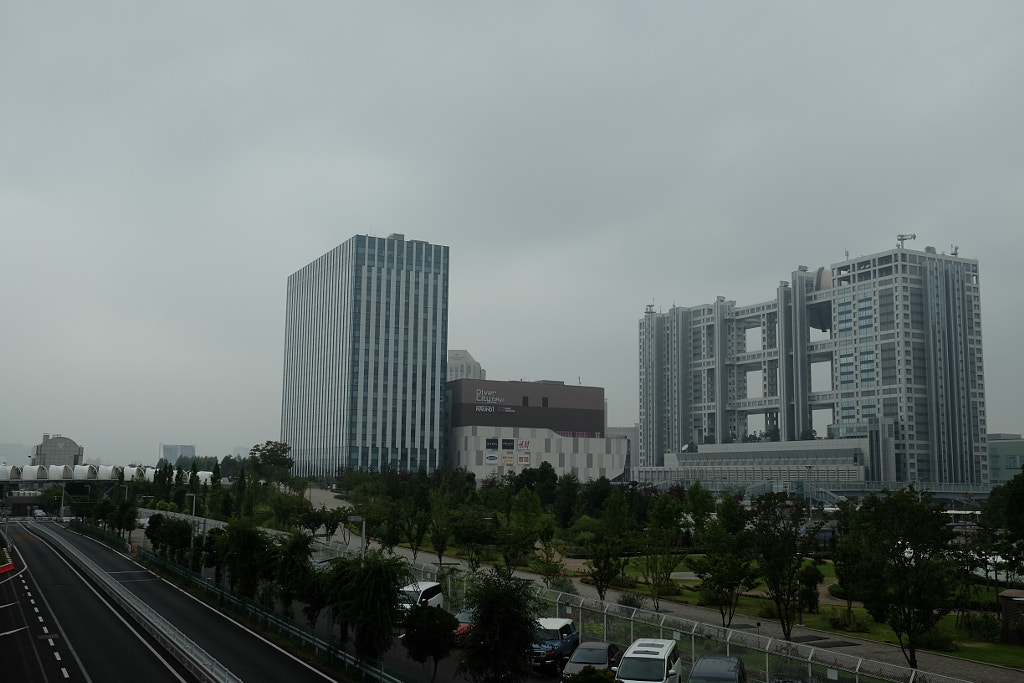
Once we got off the train, we immediately saw the futuristic looking Fuji TV Building. This is where the headquarters of the nationwide TV station. I believe you can go inside as they have some exhibits and shops, but we skipped this.


DSCF by SophiaHo on 500px.com

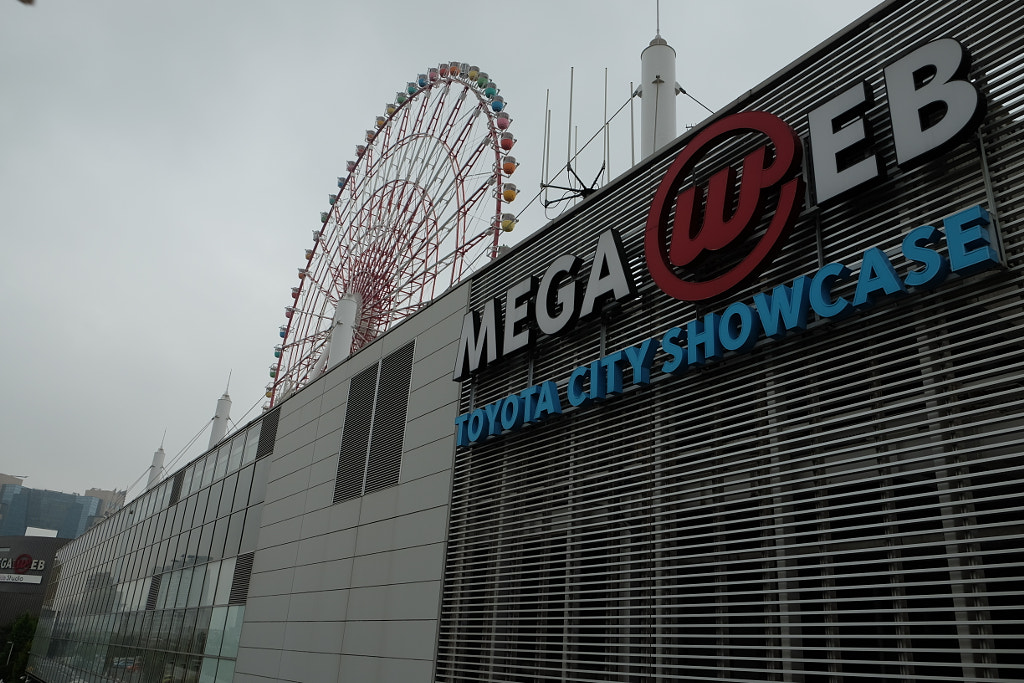
Instead, because it was fairly gloomy out, we were worried that it may start raining. We decided to head towards Palette Town which is a complex that includes the Toyota Mega Web.


DSCF by SophiaHo on 500px.com

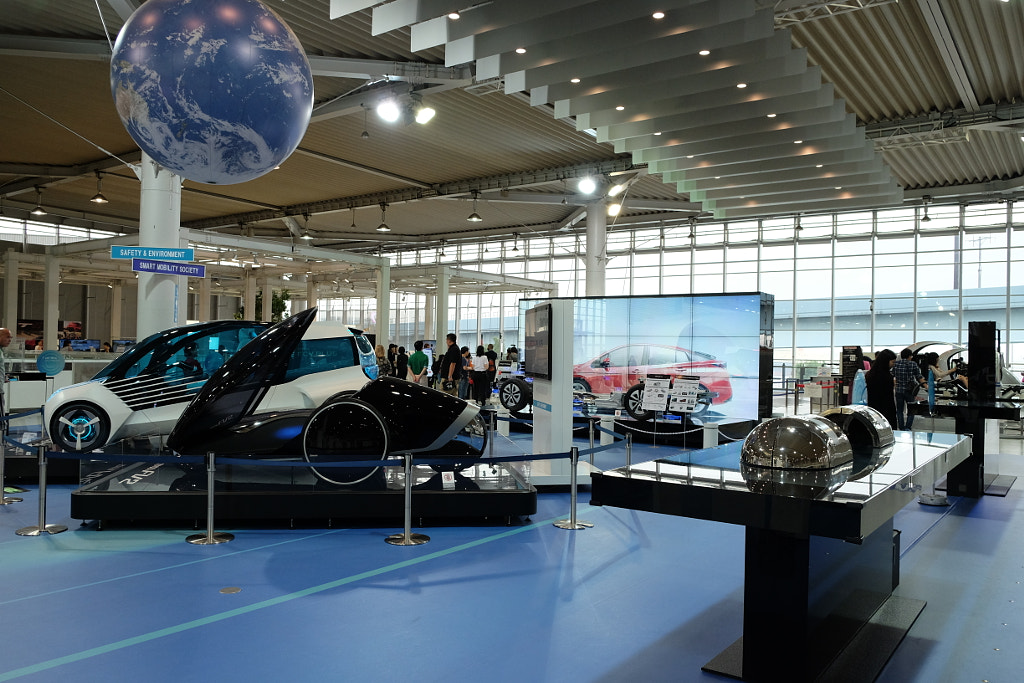
Mega Web is perfect for car lovers as it is a showroom for Toyota’s latest models and technologies. Admission is free and you can check out some pretty cool cars here.


DSCF by SophiaHo on 500px.com

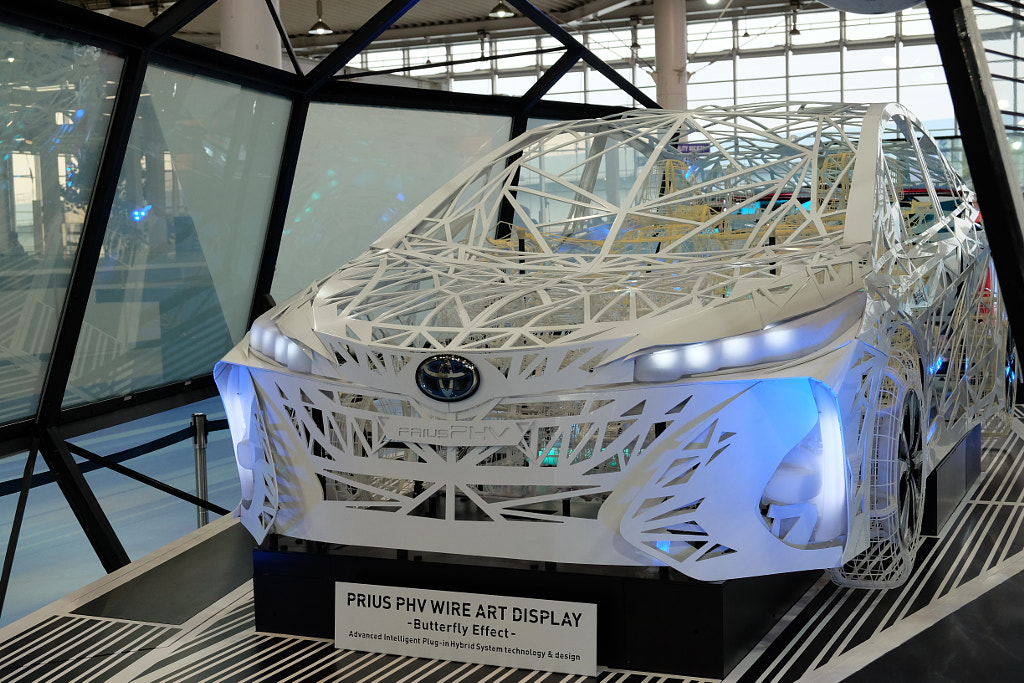
I was in awe with these super futuristic cars. Seriously…I thought they looked like the vehicles in the Jetsons!


DSCF by SophiaHo on 500px.com

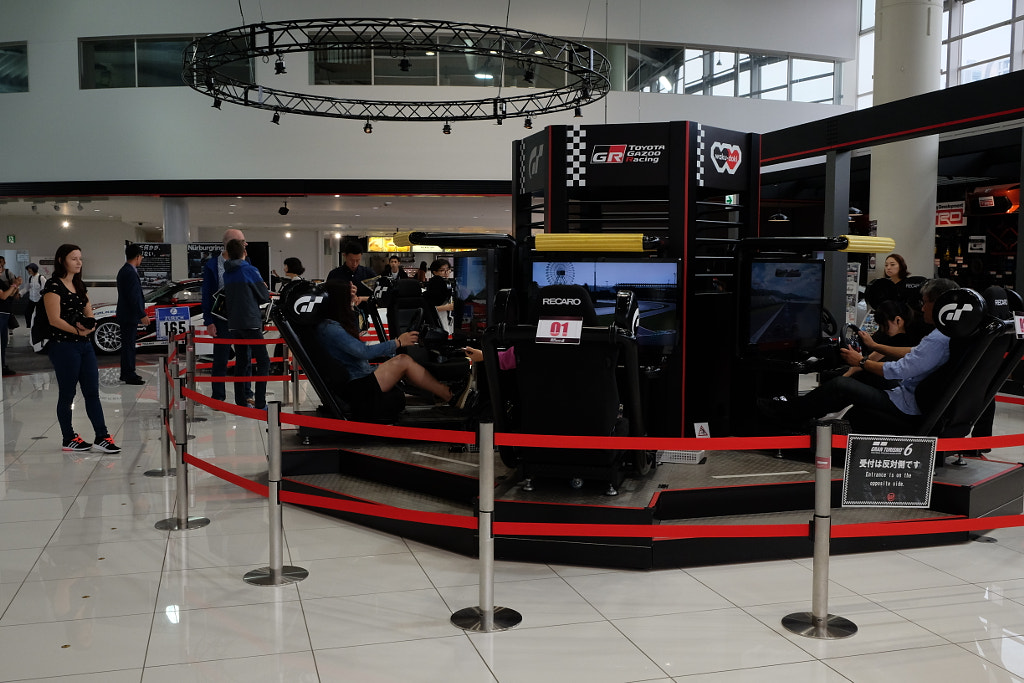
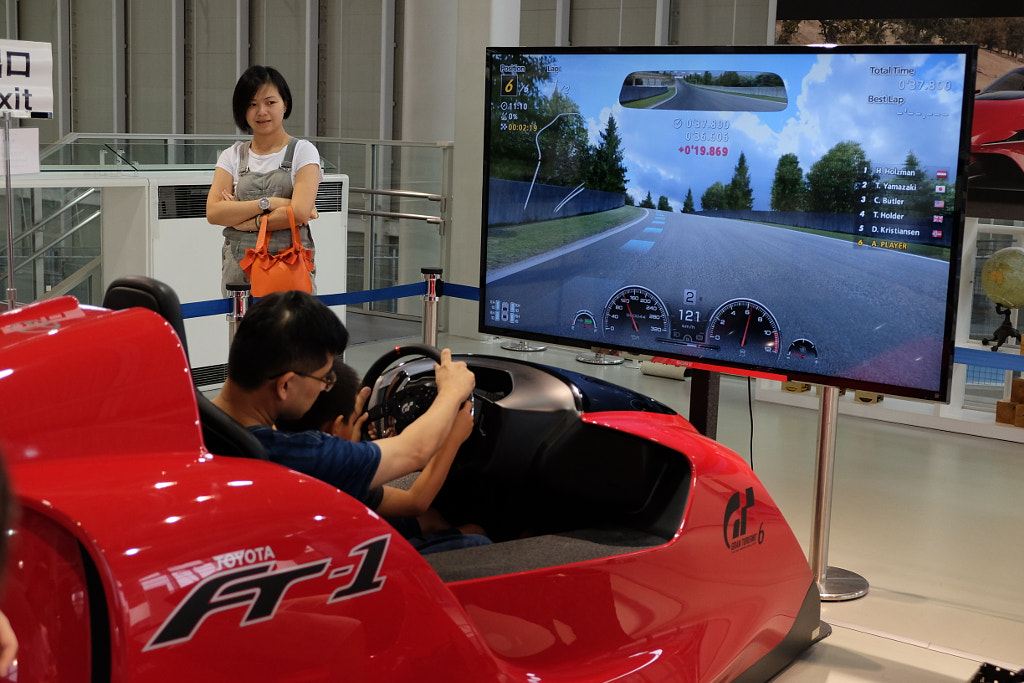
There are also a lot of free activities that you can check out including this racing game. Many of the games are also free. There is a test drive of cars that costs 300 yen, but you also need a driving license that’s valid in Japan.

DSCF by SophiaHo on 500px.com

They even have segways you can try out, but we opted to play this racing game instead. This is great for kids, but we had a good time playing it too!


DSCF by ukijojo on 500px.com

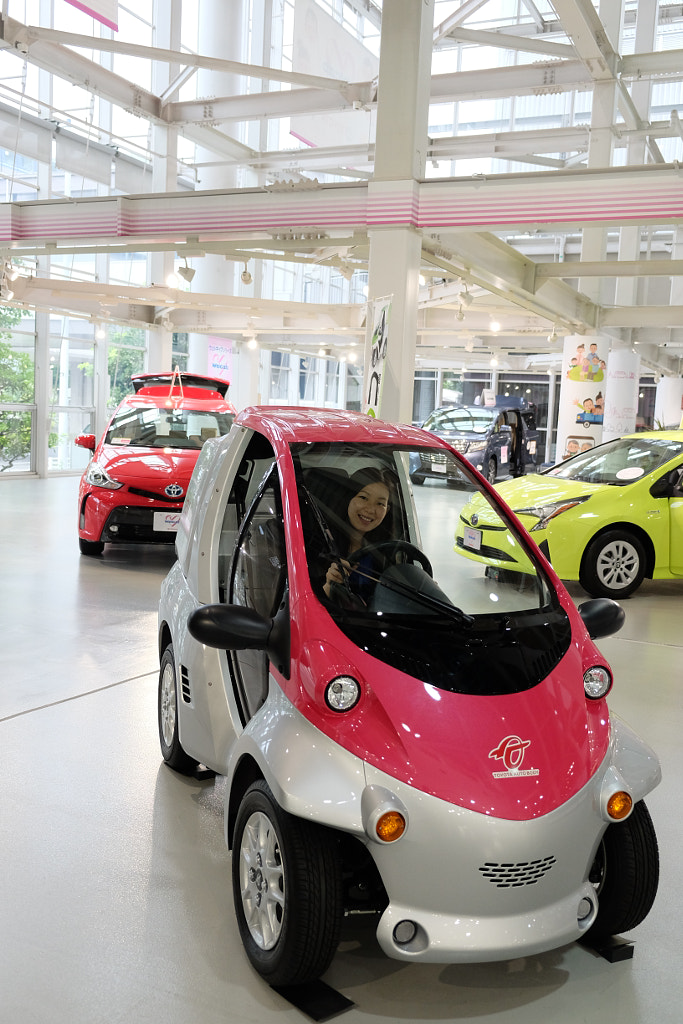
On the bottom floor, there are more consumer friendly types of cars. Cars that you would see on a normal day. But hey, this car I tried out was pretty cool! I guess this is perfect for the crowded streets of Japan!

DSCF by SophiaHo on 500px.com

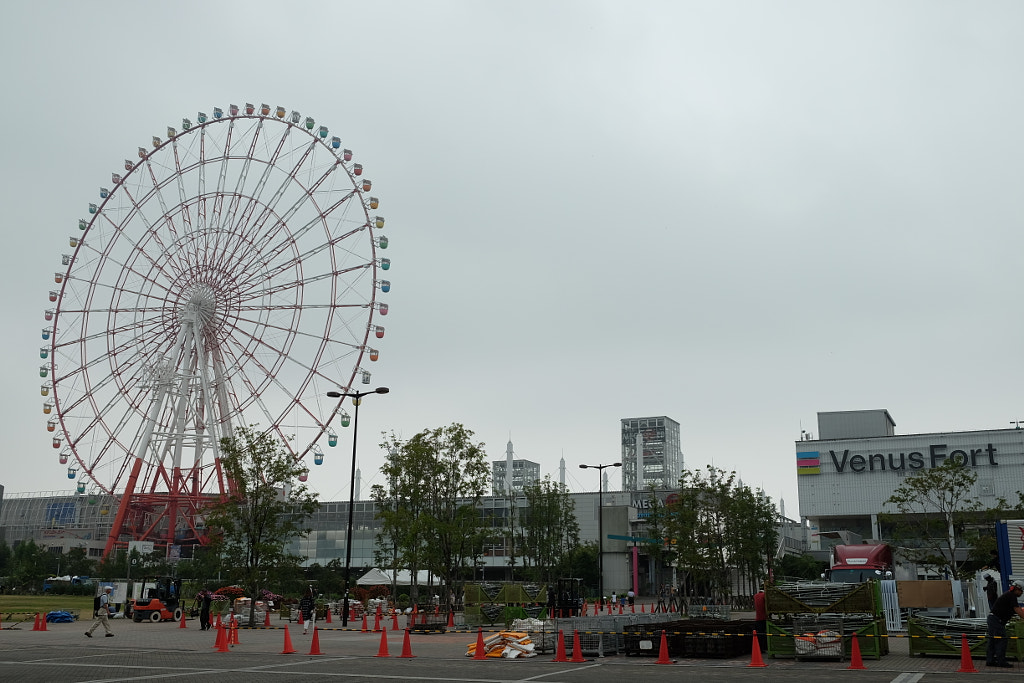
As we started getting hungry, we decided to grab lunch. Unfortunately, you will not find eateries on the street like the rest of Tokyo here. Most of the restaurants are inside these malls. We decided to check out Venus Fort which is a shopping mall that is decorated like Europe. Think Paris or Venetian Hotel in Vegas. They also have a Jelly Bean outlet store here if you’re into shoes!

IMG by info9813 on 500px.com

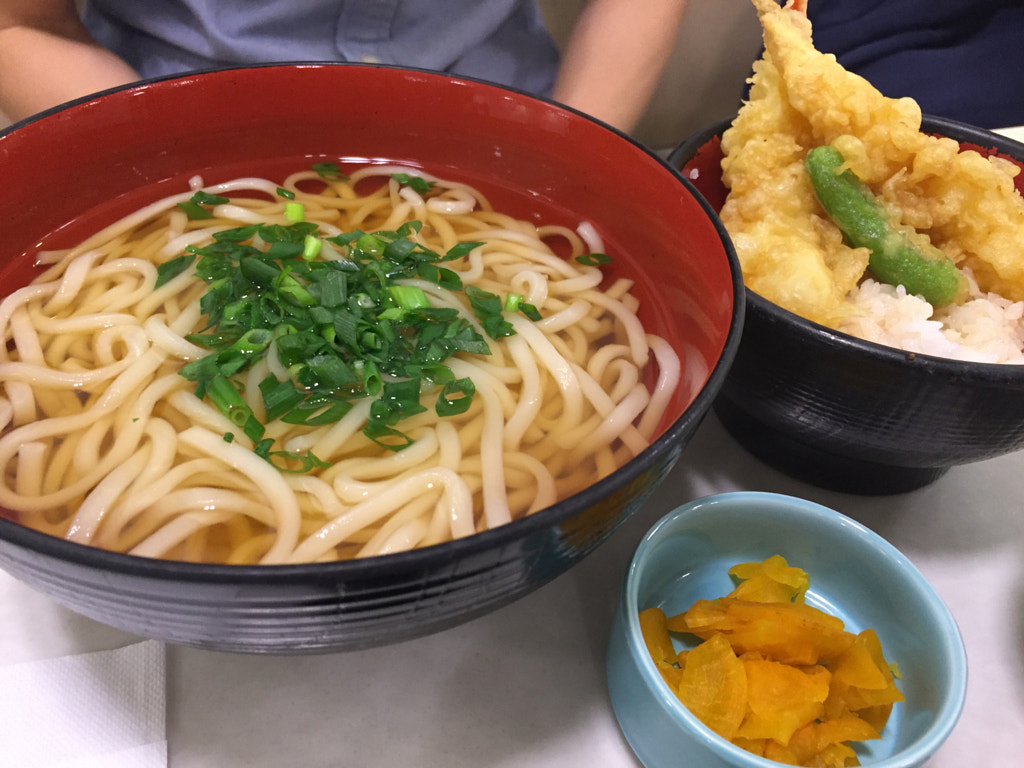
We went to their food court inside the mall and settled on one of the udon stalls. Prices here are slightly higher than outside, but still affordable for the quantity you get. S got a Hot Udon Soup with Tempura on Rice Set. Quiet a lot of food and surprisingly quite good for a food court stall.


IMG by info9813 on 500px.com

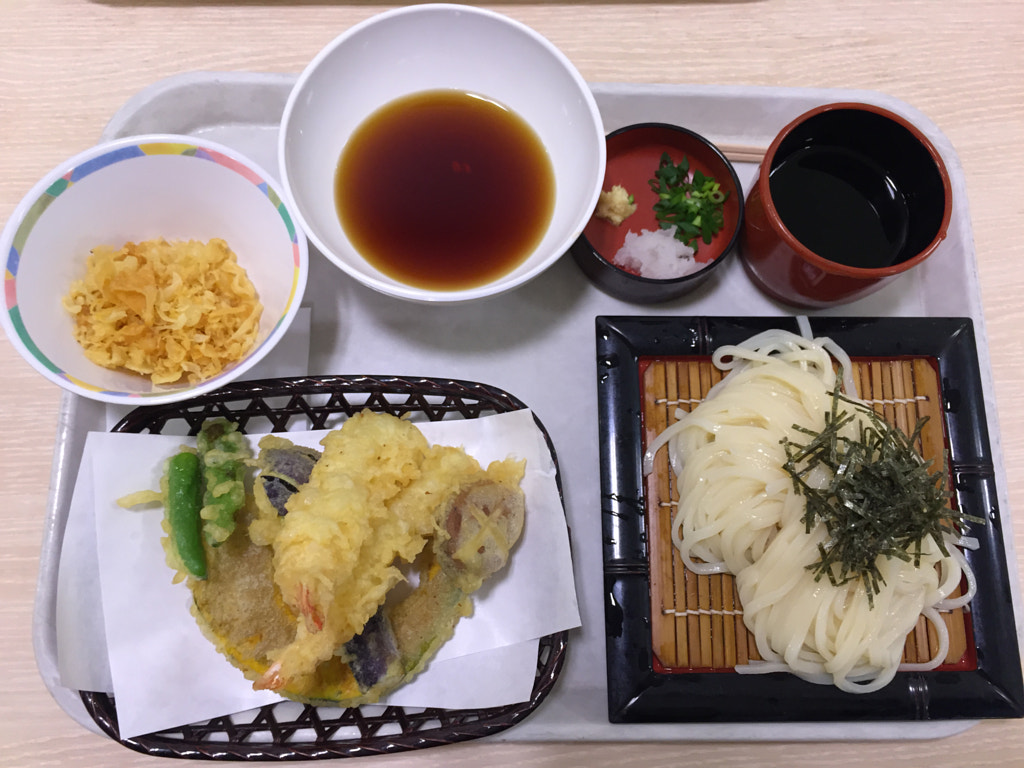
For myself, I got the Cold Udon Set with Tempura. The cold udon was refreshing and very chewy, just the way I like it. Tempura was not bad as the batter was quite light and flaky. Not bad!

DSCF by info9813 on 500px.com

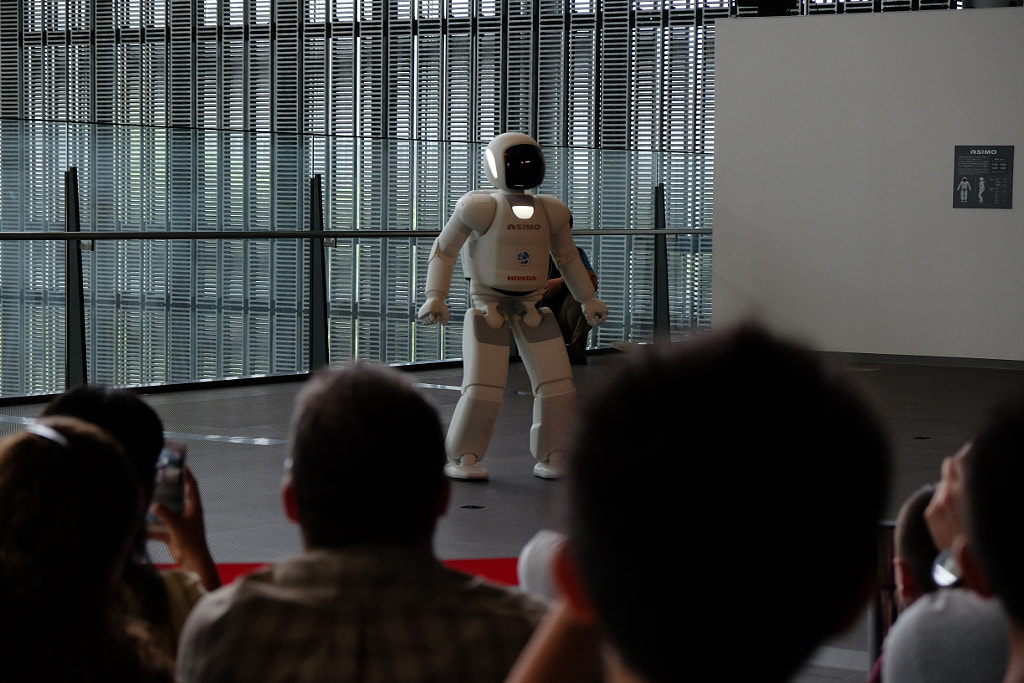
After lunch, S suggested we go to the National Museum of Emerging Science (日本科学未来館). To be honest, I was very hesitant about visiting the museum since it was a science museum and I was thinking “don’t we have a Science World back in Vancouver?” and “why am I visiting a science museum on vacation?” Well somehow, S convinced me to go and we ended up paying 620 yen for admission. The museum is also known as the Miraikan and is actually bilingual although many of the activities are mostly done in Japanese. However, I have to agree that the robot (Asimo) was pretty cool. I have never seen a robot in motion in real life, so this was definitely something cool. We also saw a lot of other robots that were made to replicate human beings and the technology has definitely advanced so much. If you are into robots and science, this is the spot to check out. I mean, Japan is known for robots, right?


DSCF by ukijojo on 500px.com

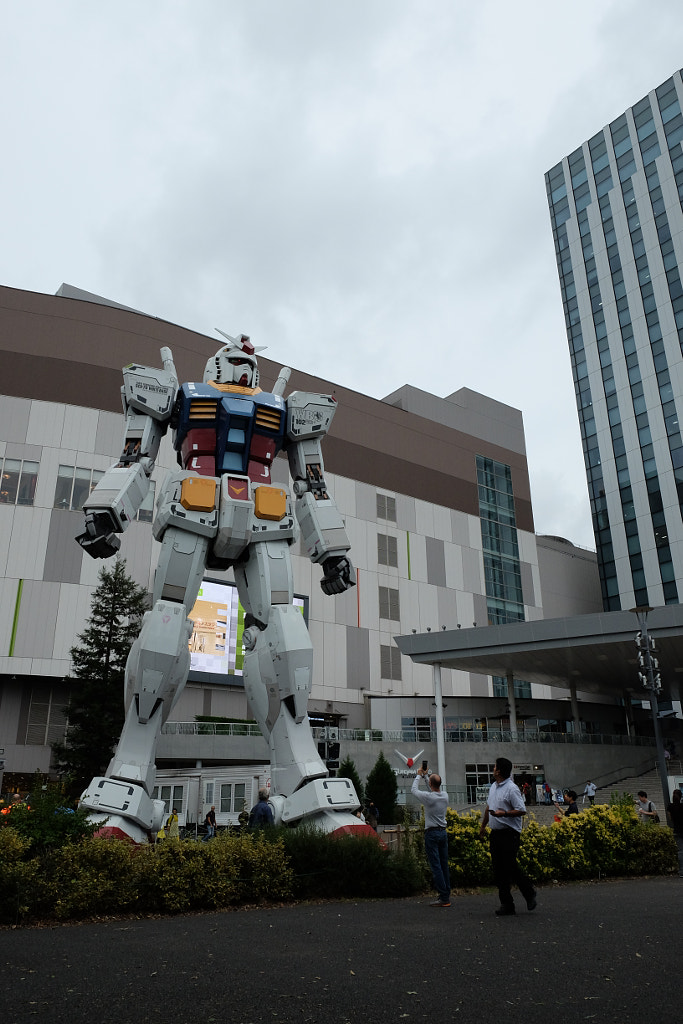
After the museum, I suggested visiting DiverCity Tokyo Plaza since I thought S would be interested in seeing the Gundam statue. This is a huge statue and it also blinks at certain times. I’m not an anime fan, but this is still very cool and worth checking out. My understanding is that this statue has now been removed and there is a new statue being built that will be released later this month! Exciting!


DSCF by ukijojo on 500px.com

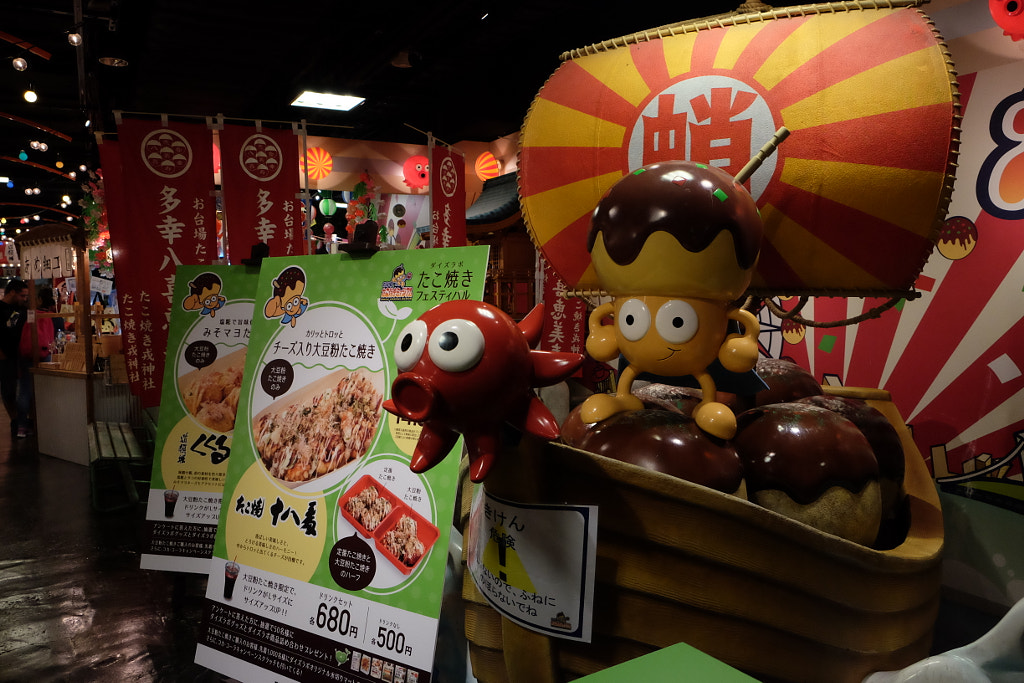
To finish our day at Odaiba, I suggested we check out Decks Tokyo Beach, a shopping mall, and visit the Takoyaki Museum. I’ve been here before and knew there isn’t too much to see, but it’s still a fun spot and a place to sit down and rest after a day of walking.


DSCF by ukijojo on 500px.com

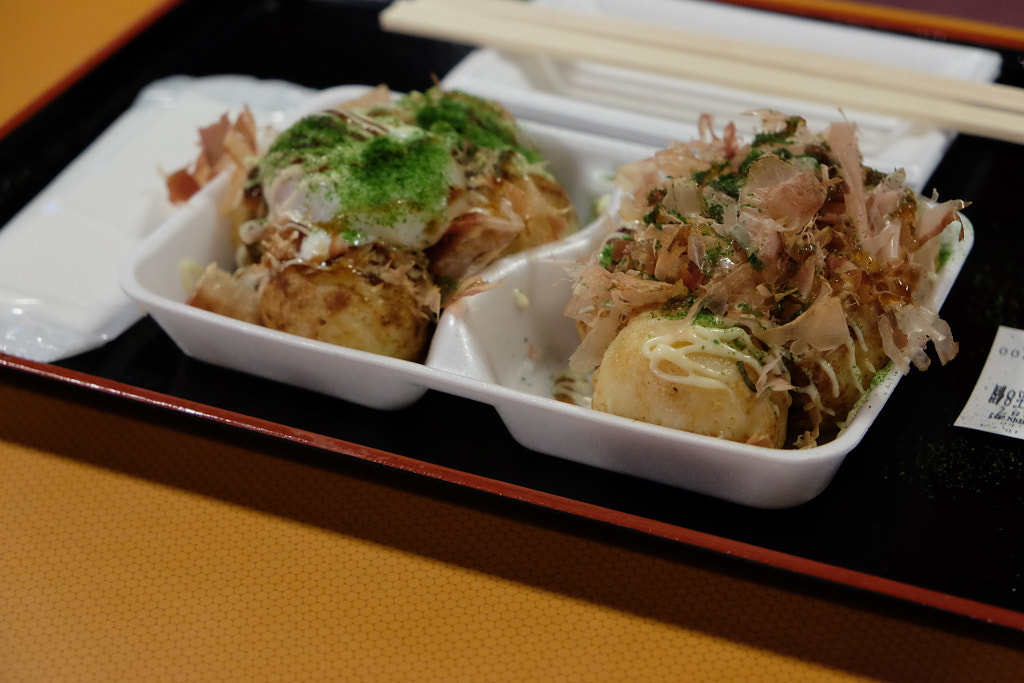
In the center, there are many stalls that sell different takoyakis. These takoyakis are by no way better than the ones you can get in the streets of Tokyo and Osaka. However, they have some creative flavours. We chose two which included the original and one with a soft boiled egg on top. They made a nice snack!


IMG by info9813 on 500px.com

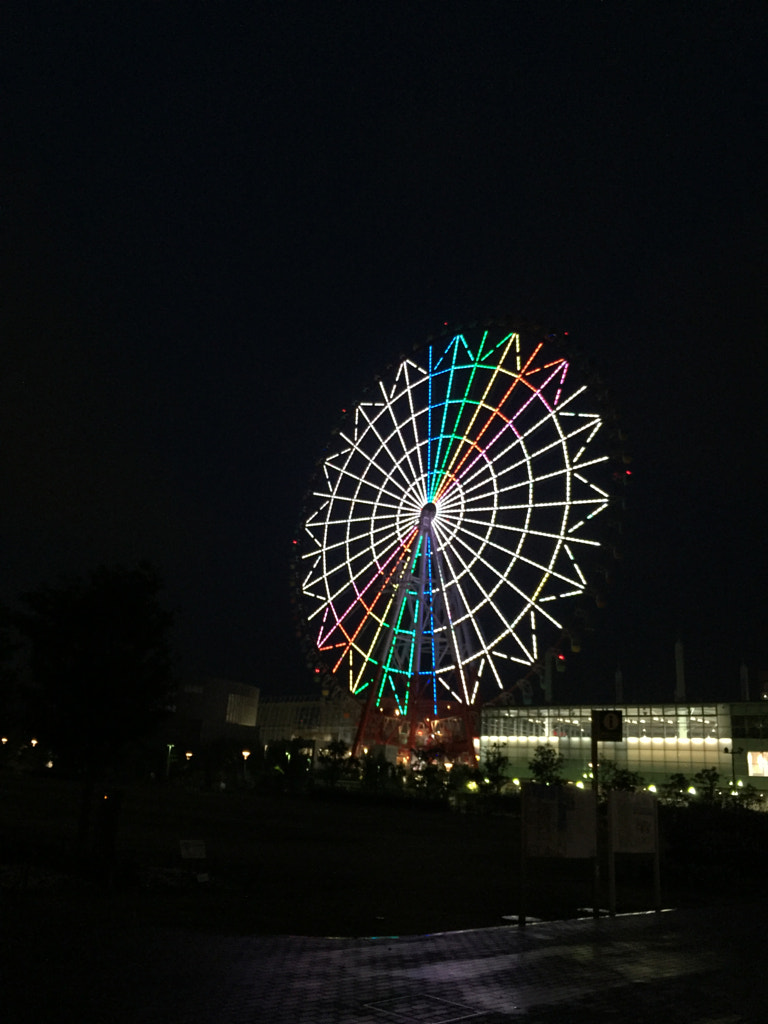
As the evening came, we decided to head back to the station. We got a beautiful view of the Ferris Wheel all lit up which you can actually ride on. And be sure to take the skytrain back at night because you will be able to see the beautiful Rainbow Bridge lit up. I forgot to get pictures, but I really thought it was beautiful!

Note: I won’t list all the addresses here for Odaiba since the area is quite small with maps all around. It’s very easy to get around!


To read about my experience in Odaiba back in 2014, click here.

[Japan Series] Day 6 Cont’d: All You Can Drink at Yakitori Marukin やきとりまる金 新宿本店 in Shinjuku

DSCF by info9813 on 500px.com

While we were on the train heading back from Hakone to Shinjuku, I decided to look for a place to eat dinner. Did some searching and ended up coming up with the idea to go check out an all you can drink spot. Actually, I was craving yakitori (Japanese grilled skewers) and this spot just came up. Yakitori Marukin is located just in the busy streets of Shinjuku and is popular among locals.


DSCF by info9813 on 500px.com

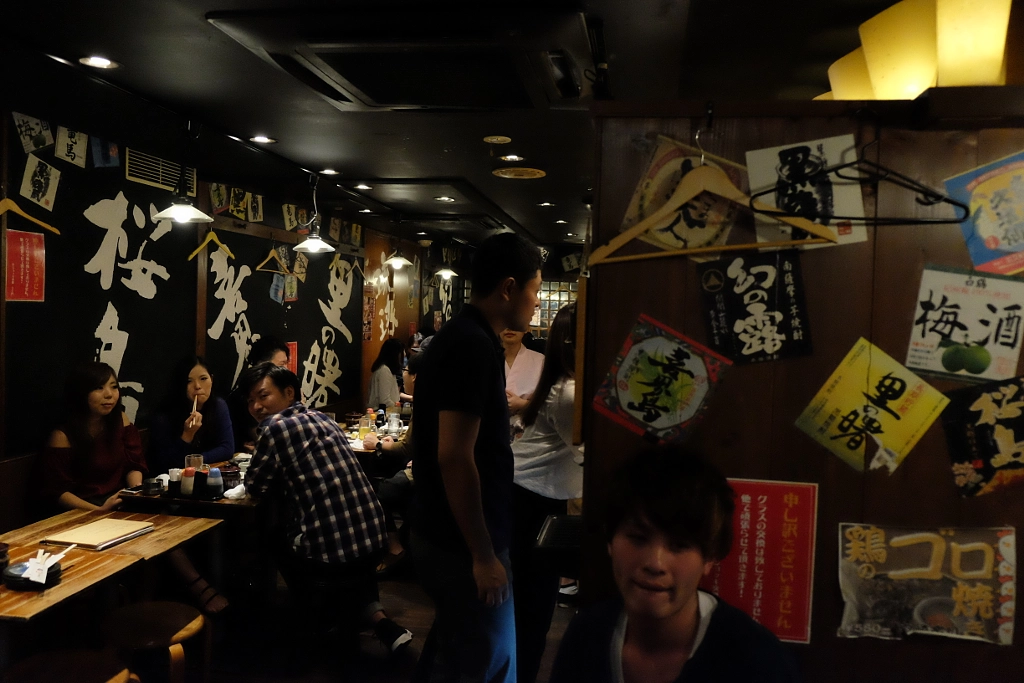
It took a while to find the place because you actually needed to take an elevator upstairs. Actually, many of the good restaurants are often upstairs, so if you’re looking for food in Japan, look up! Anyways, the restaurant was filled with locals and when we arrived I think we got some curious looks. The staff could barely speak English but they were still very accommodating and welcomed us in. Luckily, they have an English menu, so I’m guessing they have a lot of tourists here still. With some pointing and nodding, we were good to go!


DSCF by info9813 on 500px.com

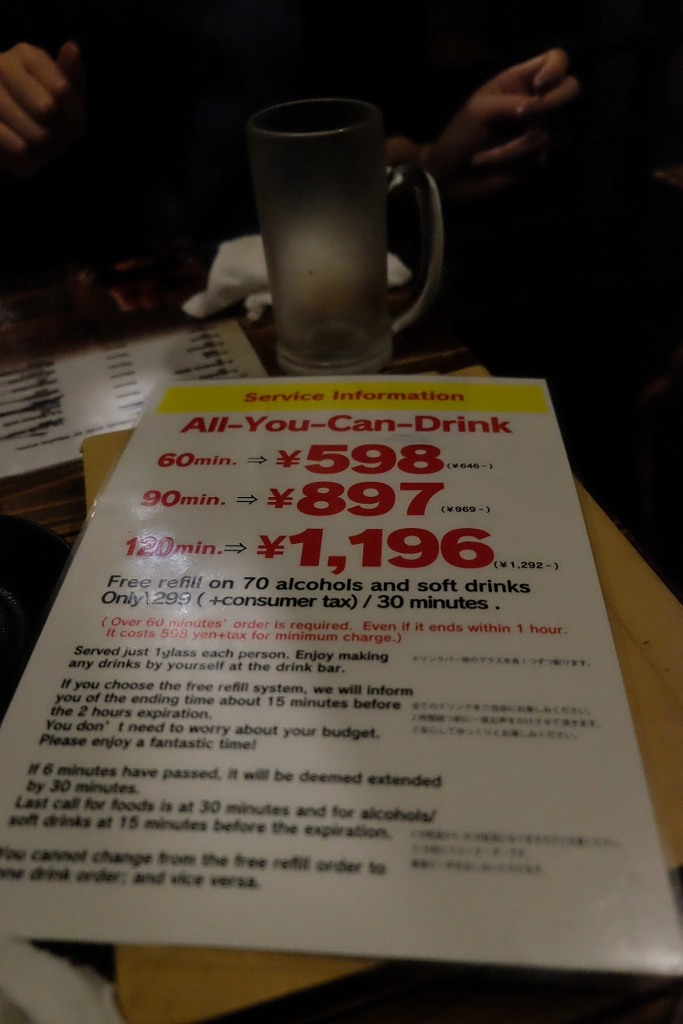
I read online that this may be one of the cheapest all you can drink restaurants in the area. Plus, they have an English menu, so it really helps. For only 598 yen + tax, you can drink as much as you want for an hour! My understanding is that you need to do a minimum of one hour, but we chose to stay 90 minutes as it gave us more time to eat. Honestly though…that is dirt cheap! We can only get a beer…sometimes not even for this price back in Vancouver!


DSCF by info9813 on 500px.com

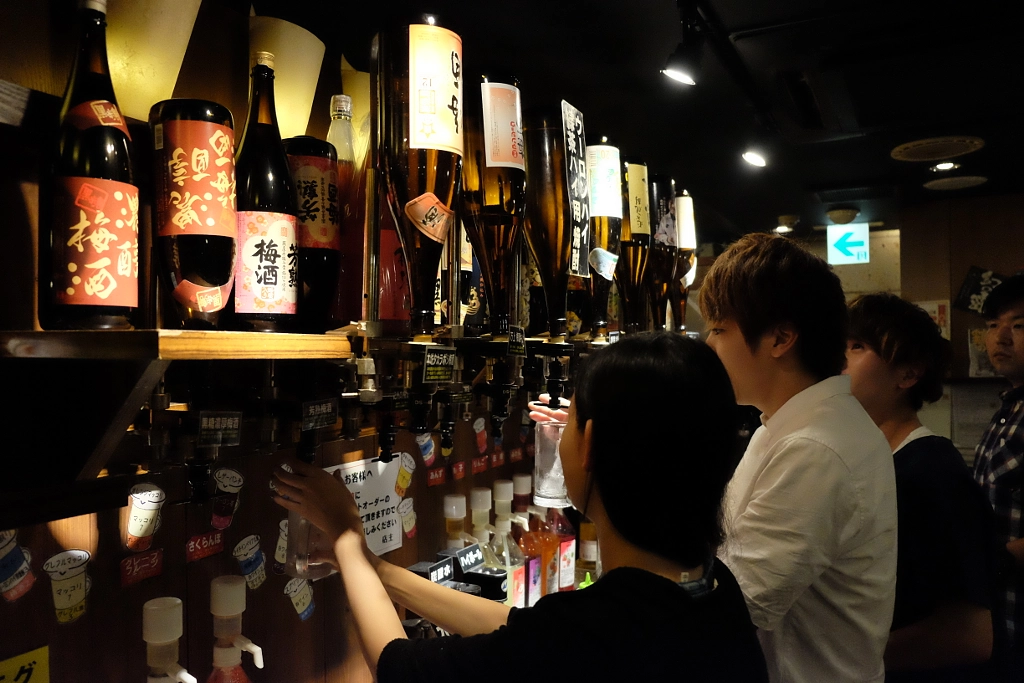
So when you think of all you can drink beer, you must be thinking that the restaurant will just serve your drinks super slow so that your time is up. Well, not a problem here, because it is self serve! I was pretty mind blown at this concept! Along a wall in the restaurant, there are a bunch of bottles that dispense your liquor. The waiter will give you a beer mug and you just head over to the drink station and fill it up with whatever you want. The majority of the drinks were sochu (tastes sort of like vodka), plum wine, and I believe there were some whiskeys. There are also flavoured syrups that you can pump into your sochu so that it’s not straight liquor and gives it some more flavour. I suggest filling only a quarter or half a mug each time so that you can try other drinks if that’s your liking. Otherwise, you’re sort of stuck with that drink until you finish it! This was seriously lots of fun and the liquor is quite high in alcohol content, so you will for sure have a good night! No beers here for you beer lovers though!

IMG by info9813 on 500px.com

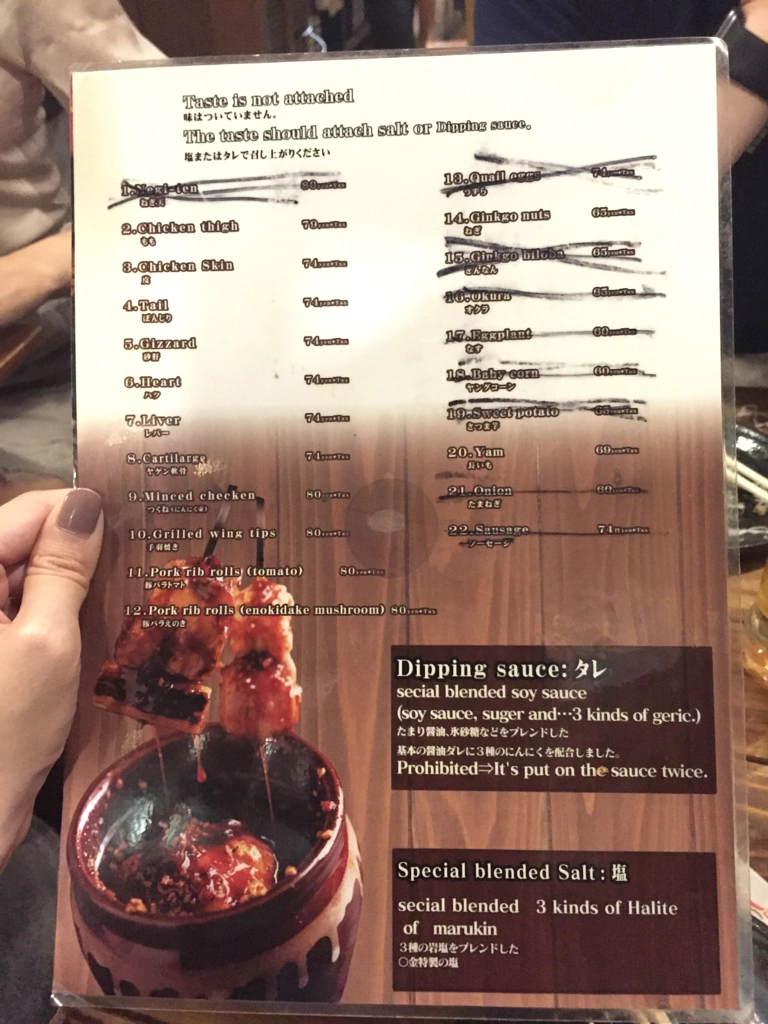
As for the food menu, they had one menu which listed all the yakitori items which had English on it, but there was also a menu for appetizers and other izakaya type food. Unfortunately, this menu was all in Japanese, but there are some pictures to help. As you can see, the yakitori is also relatively cheap here compared to other yakitori shops. The quality is not amazing, but it comes with this dipping sauce which is really tasty! There is a big jar of sauce on the table which is left there all night… Kind of sketchy since you have no idea if the previous diners did anything to the sauce, but they state on the menu that you are not allowed to dip your food in the sauce twice. Let’s really hope no one does that!


DSCF by info9813 on 500px.com

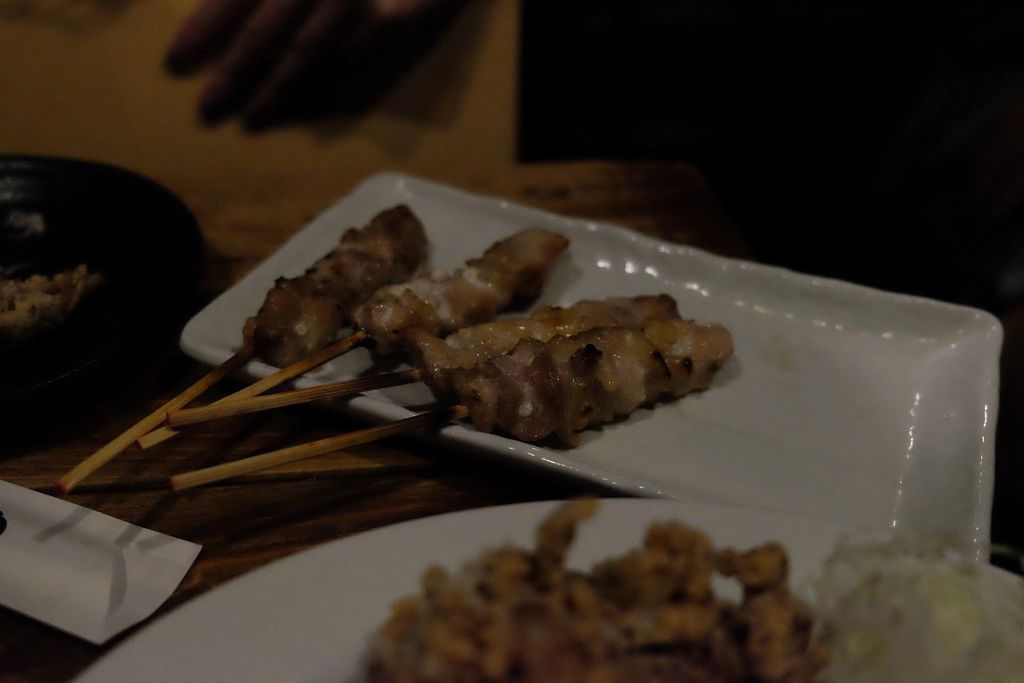
First up, we got the Chicken Thighs. Pictures are really dark as it was very dim inside, but these were definitely not as charred as I’d like. However, I really enjoyed the dipping sauce and when you’re a bit tipsy, anything tastes great!


DSCF by info9813 on 500px.com

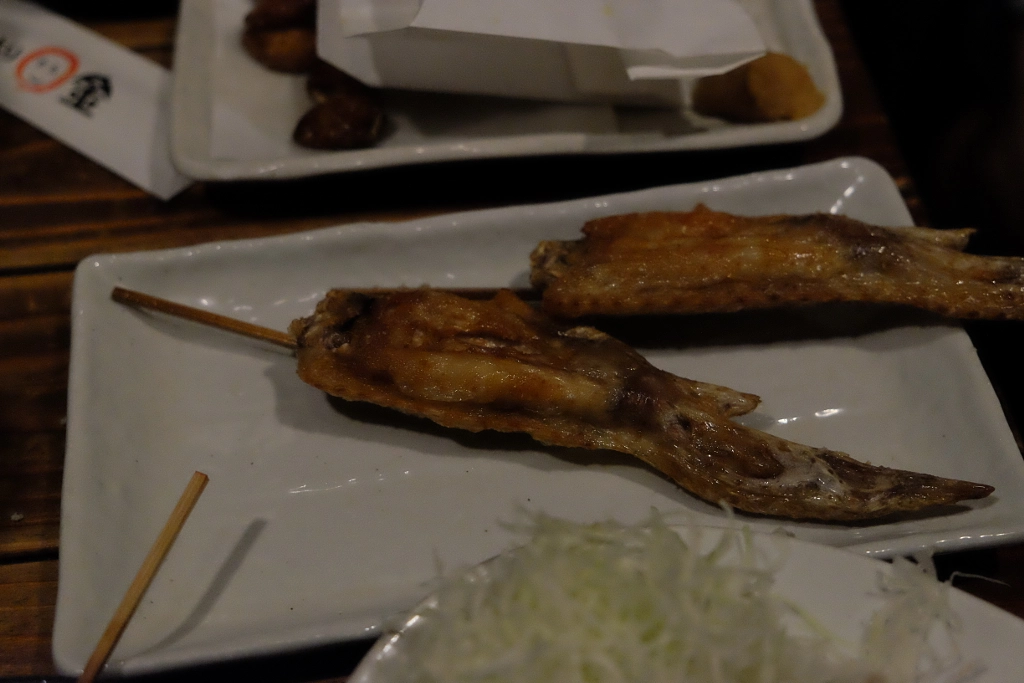
There were a lot of intestines for yakitori on the menu, so we weren’t really a fan of that. Instead, we decided to try the Grilled Wing Tip. This was not bad but a bit difficult to eat as there is not much meat. I would stick to the chicken thigh next time.


DSCF by info9813 on 500px.com

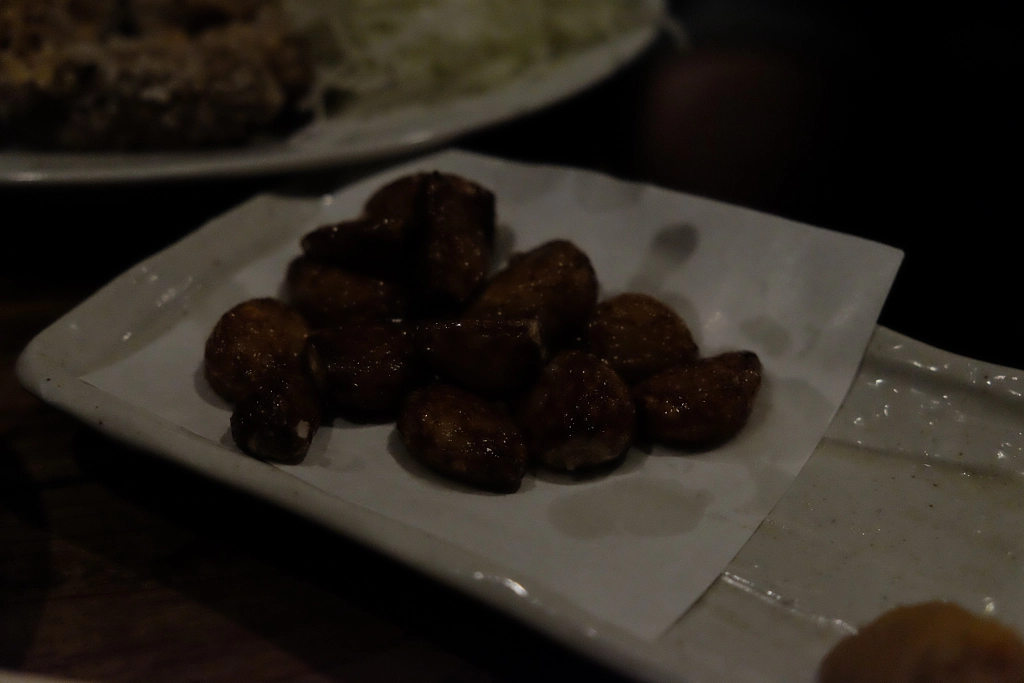
Then came the funny story… So we ordered off the all Japanese menu and I pointed at the picture thinking they were popcorn chicken. Turns out…we ordered a plate of Grilled Garlic! Yup…we did not finish this.


DSCF by info9813 on 500px.com

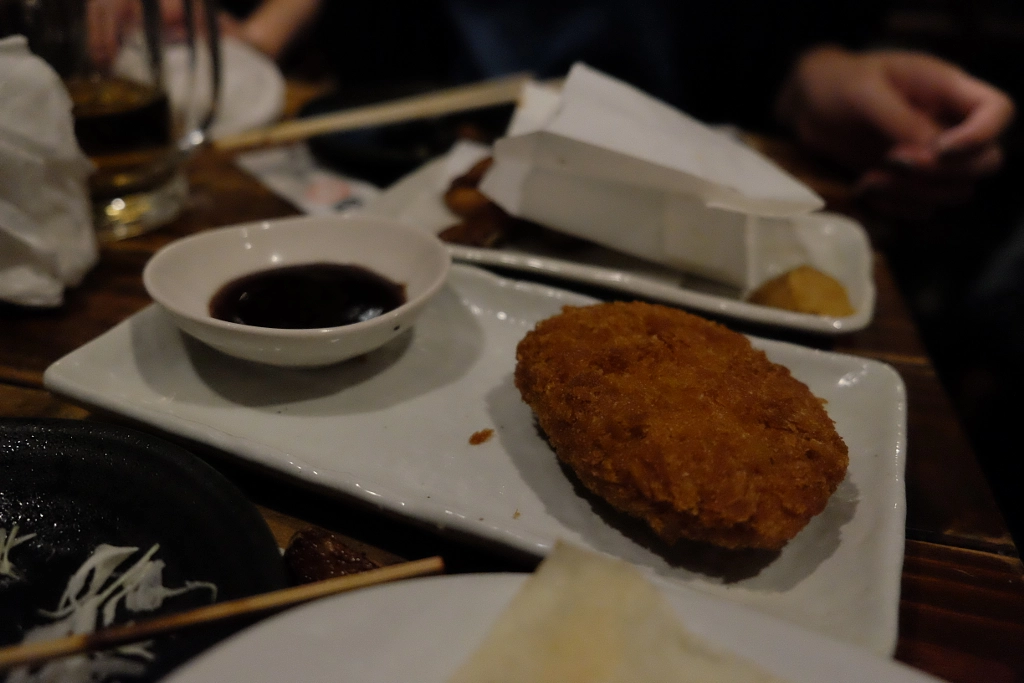
Some other appetizers included this Squash Croquette. This was really yummy! And great with drinks!


DSCF by info9813 on 500px.com

The Gyozas were also one of our favourites. I think we ended up with two orders of this! I love how in Japan, they cook all the gyozas together and the skin becomes super crispy.


DSCF by info9813 on 500px.com

Finally… we got it right and ordered the real Chicken Karaage. Chicken was moist and batter was crispy.


DSCF by info9813 on 500px.com

What a fun night at Yakitori Marukin! We probably spent around $25 each in total for the food and unlimited drinks. What a steal! After dinner, we wandered the streets of Shinjuku. It might have also involved taking some shameless sticker pictures… Last day in Tokyo next!

Yakitori Marukin
Address: Shinjuku 3-34-16 | Ikeda Plaza Bldg. 4F, Shinjuku 160-0022, Tokyo Prefecture
[Japan Series] Day 6: Day Trip to Hakone 箱根

DSCF by info9813 on 500px.com

On Day 6, we decided to visit Hakone 箱根 since Tokyo appeared quite sunny. I wanted to make sure it would be a sunny day because I wanted clear skies to see Mt. Fuji. Hakone is less than one hundred kilometers from Tokyo so many tourists will visit this spot from Tokyo. It is famous for the view of Mt. Fuji which is nearby and their hot springs. Many tourists choose to stay a night, but I found the accommodation quite expensive and lugging onto our large luggage on transportation such as a cable car did not make sense for us. Instead, we did a one day trip, which I can assure you is sufficient time. I had done lots of planning ahead of time, and learned about the Hakone Free Pass.

The Hakone Free Pass is a discount pass for tourists traveling in the Hakone area and covers all modes of transportation. It is only available for 2 days or 3 days of unlimited travel. However, I did some calculations and if you are going to take the whole route with all modes of transportation, the 2 day pass is a good deal even just for a one day trip. We chose the 2 day pass and the price breaks down further depending on where you purchase the pass. This really depends on where you are departing from. If you depart from Shinjuku station, the 2 day pass costs 5,140 yen. However, if you have a JR pass like we did, it is cheaper to take the JR train to Odawara station on your own since the JR pass provides unlimited travel and covers this route. If you are like us, then once you arrive at Odawara station, you should go to the tourist info center and purchase the Hakone Free pass. This will only cost 4,000 yen. Check out our JR shinkansen (bullet train)!

IMG by info9813 on 500px.com

Once we arrived to Odawara Station (小田原) and purchased the Hakone Zone Free Pass, we quickly headed to the station for the Hakone Tozan Train. We didn’t get a picture of the outside since we had to rush on the train as it had already arrived. The Hakone Tozan Railway (箱根登山電車) is Japan’s oldest mountain railway, hence the train is operated by a train conductor


DSCF by info9813 on 500px.com

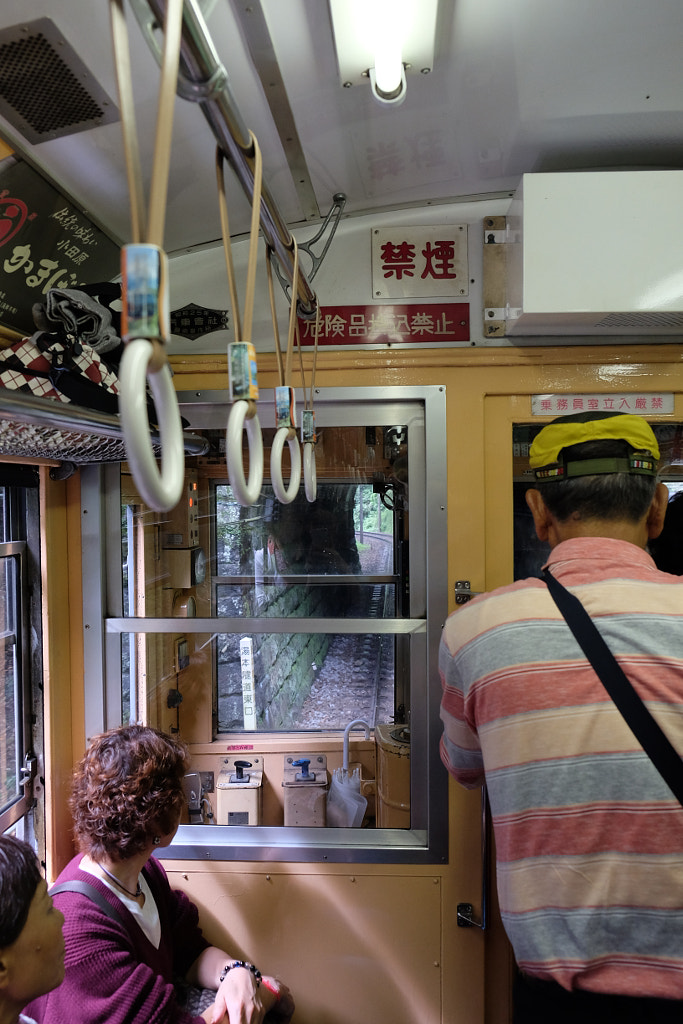
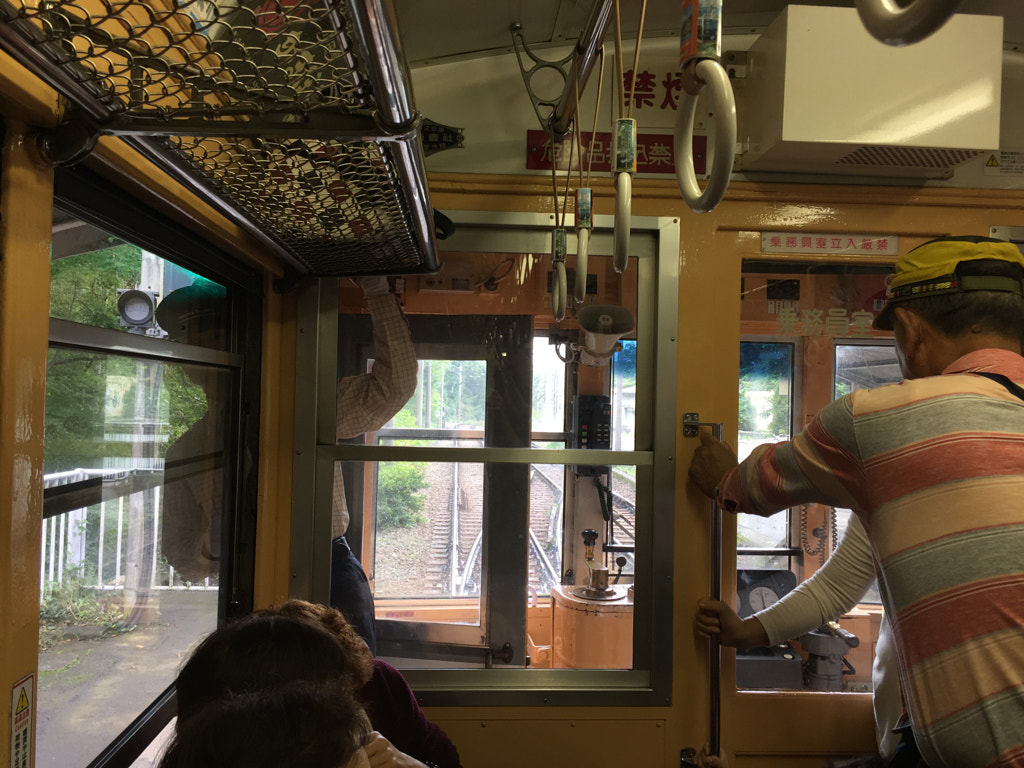
To be completely honest, I was quite skeptical about taking this train as it looked really old and it was going really slow. However, it was actually such an experience and lots of fun! The train goes through narrow valleys, over bridges and even through tunnels. I hear that there are flowers during the spring, but unfortunately when we went, it was mostly just green bushes. The whole ride takes under 40 minutes.

IMG by info9813 on 500px.com

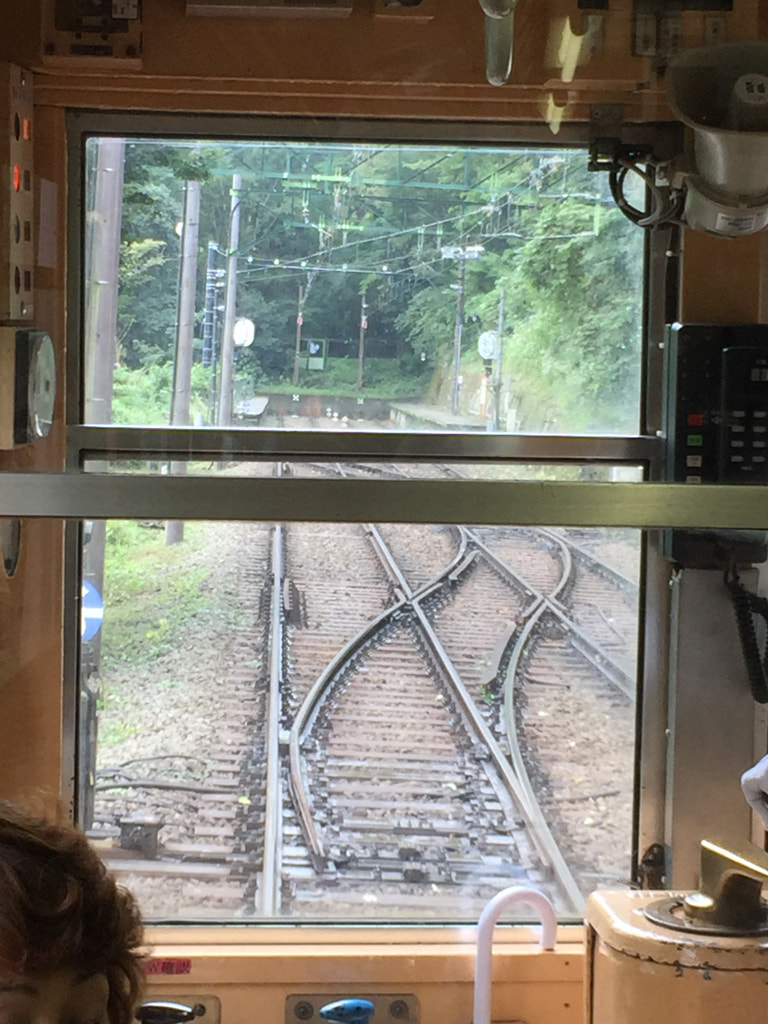
I think the coolest part was that switchbacks are required. The train makes three stops along the way because it will hit a dead end, and the train conductor then needs to get off and go to the other end of the train so that the train can go the opposite direction. Think about a zig zag sort of route since it needs to climb up a mountain. Definitely something I have not seen before. Along the way, there are a few stops where there are art museums. One of the most famous ones is the Open Air Museum. This actually seemed quite interesting, but since we had a tight schedule, we skipped this. Thinking back, I think we would have had enough time to stop by for an hour. The last stop on the Tozan Railway is Gora Station, where we got off.


DSCF by info9813 on 500px.com

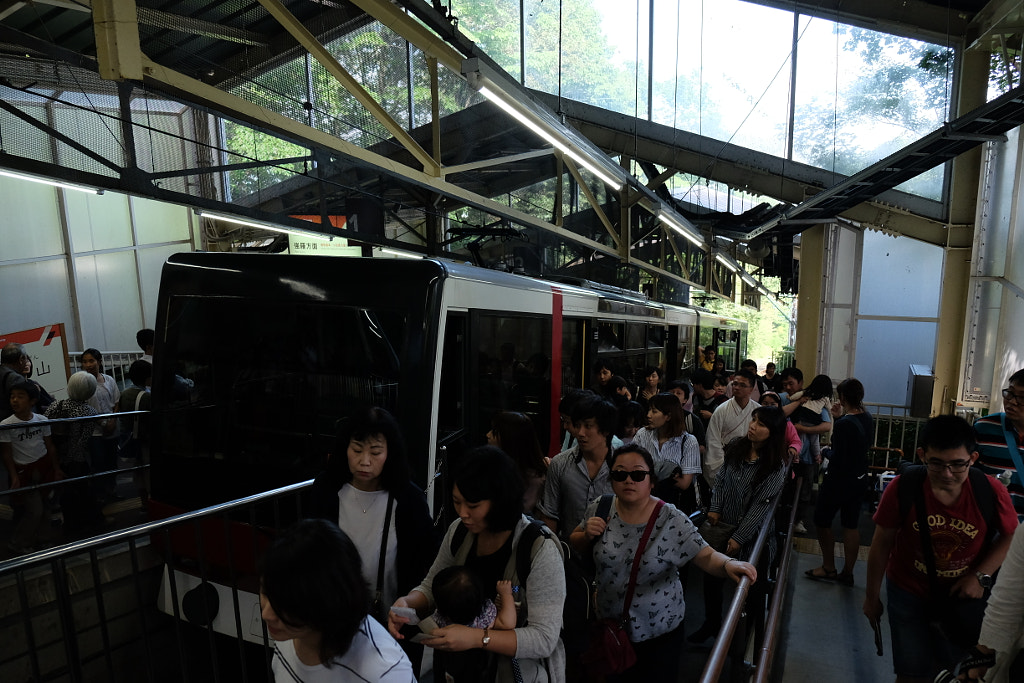
At Gora Station (強羅), you can choose to visit some other museums and parks. This is also where many tourists will choose to visit an onsen (hot spring). However, unless you are staying overnight, most tourists will continue on and skip this area. The next mode of transportation is the Hakone Tozan Cable Car. So many people were waiting for this cable car, so when we got on, it was extremely crowded! Luckily, it was only a 9 minute ride. The windows are very wide on this cable car so you can check out the mountainous views. To be honest, S and I found this part to be a bit underwhelming. The views were average compared to the ones we have in Vancouver. I think the views on the cable car at the Grouse Grind are much more impressive. This gets you to Sounzan Station. The Hakone Tozan Cable Car is 9 minutes of heaven and connects the town of Gora, with its many hot springs (onsen), and a popular sightseeing spot, with Sounzan Station.


DSCF by info9813 on 500px.com

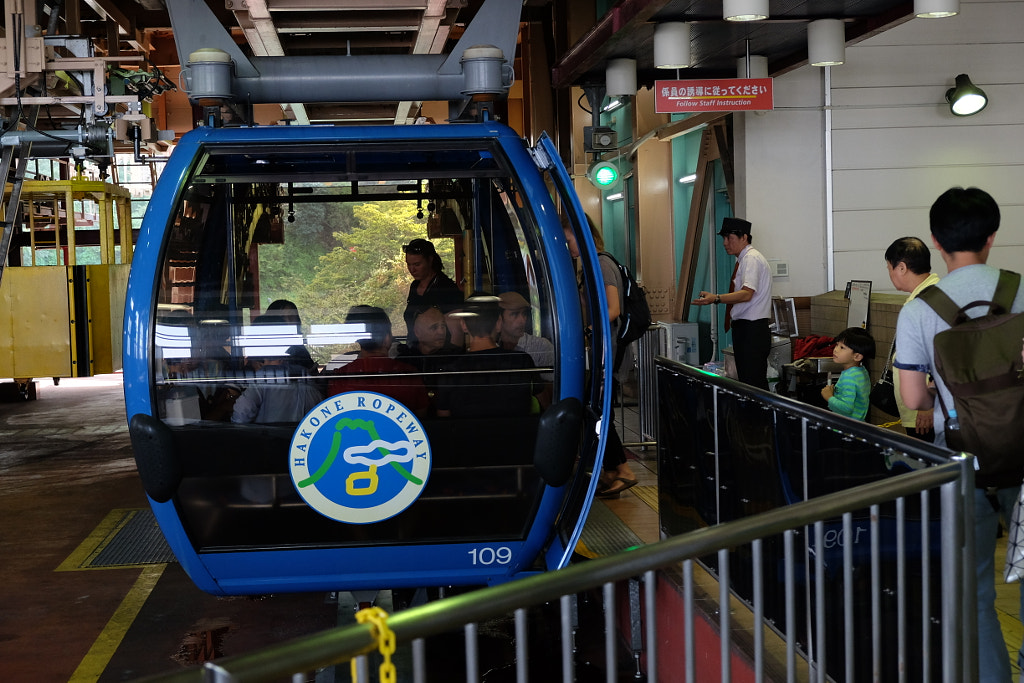
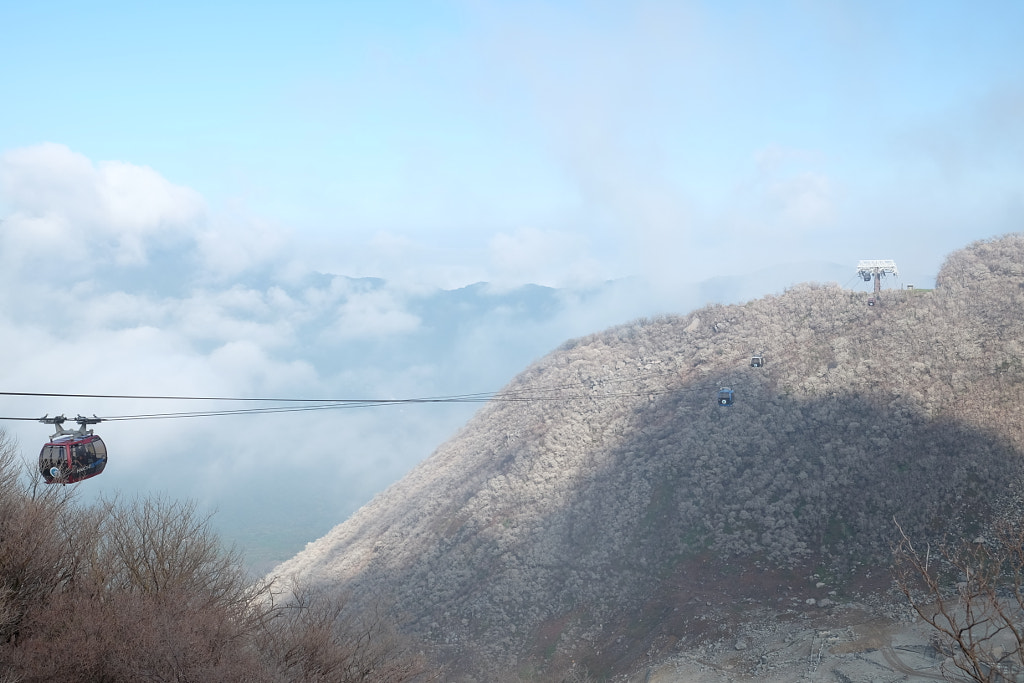
Again, there isn’t much to do at Sounzan Station (早雲山), so most tourists will continue on to the next mode of transportation. Next up was the Hakone Ropeway (箱根ロ-プウエイ). Before heading on, the staff will give you a wet towelette to cover your mouth and nose. This is because the air will get very gassy as there are active volcanoes here.


DSCF by info9813 on 500px.com

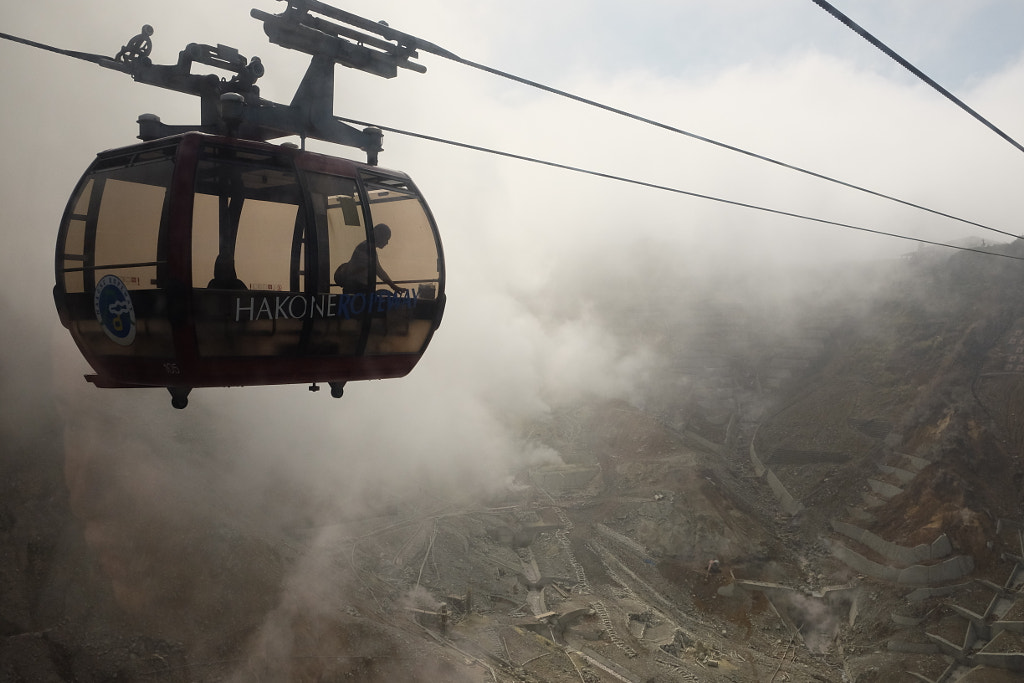
The ropeway takes around 30 minutes in total, but there is one stop in between that most people will get off at. The views here are spectacular. Here you will see Owakudani’s sulfur fields and the volcanic gasses. On a beautiful day, you should also be able to see Mt. Fuji, but unfortunately we could not see it as the clouds were in the way. Was pretty disappointed since that was the main reason I suggested coming here, but it still ended up being a fun trip.


DSCF by info9813 on 500px.com

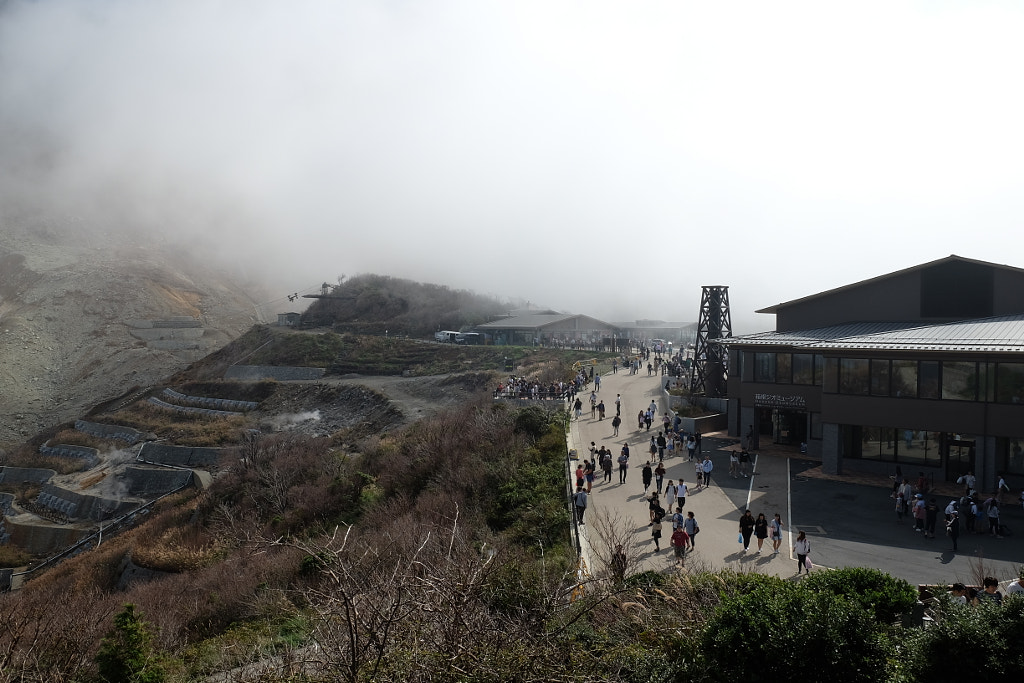
Here, we are approaching Owakudani (大涌谷). Remember to get off at this stop as there are lots to see! Owakudani is an area around a crater created by a eruption of Mt. Hakone 3000 years ago.


DSCF by info9813 on 500px.com

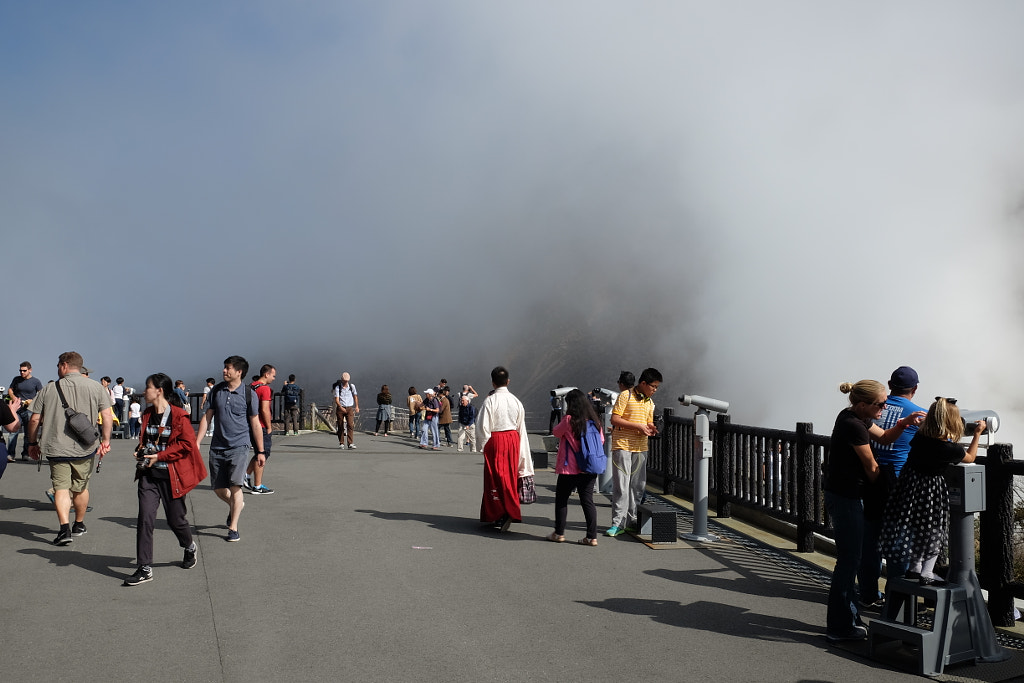
The area is an active volcanic zone where you’ll see sulfurous fumes. It is quite hot in this area and definitely very gassy. It smells sort of like rotten eggs. If you have respiratory problems, this is probably not the right place for you.


DSCF by info9813 on 500px.com

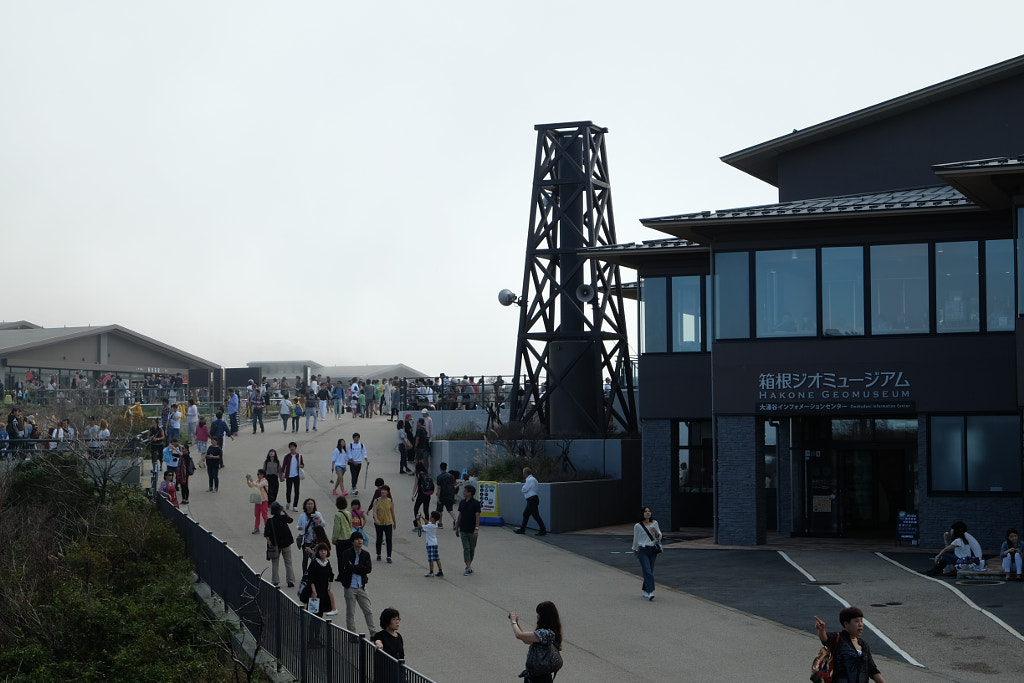
In this area, there is also the Hakone Geo Museum, where you can learn more about Mt. Hakone.


DSCF by info9813 on 500px.com

What a view from Owakudani! Too bad we couldn’t see Mt. Fuji in the background.


DSCF by info9813 on 500px.com

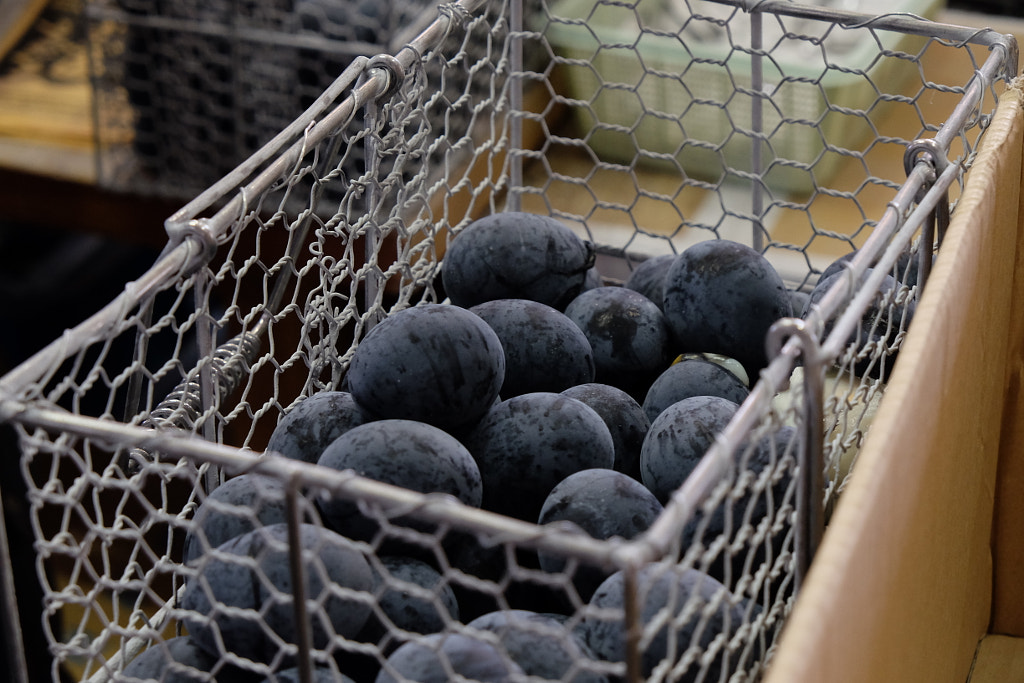
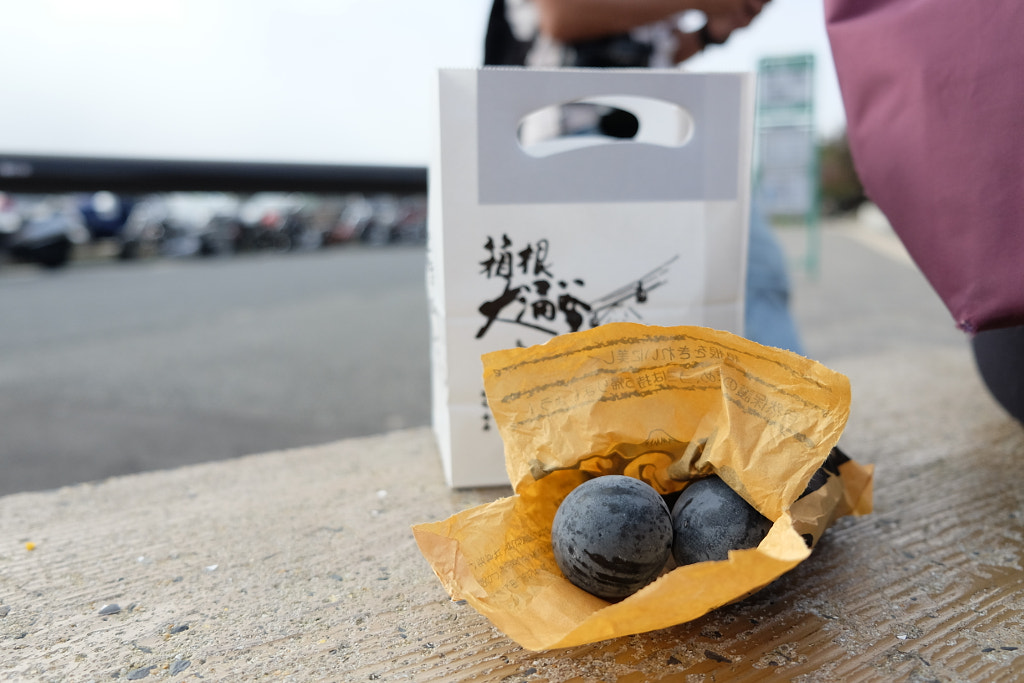
There is not much food here, but since it was lunch time, we needed to get something to fill up. I read online that the black eggs are a must try. The eggs are cooked in naturally hot water and the shell is blackened by the sulfur. The myth is that if you eat one of these eggs, it will prolong your life by seven years!


DSCF by info9813 on 500px.com

Of course we had to get these black eggs! I think they were around 600 yen for 5 and the minimum order was unfortunately 5 eggs. Oh well, since we needed to fill up. The eggs are really just hard boiled eggs. Didn’t taste any different, but the shell is black so that’s a bit fun! Piping hot! They also have black coloured soft serve but I read online that it’s not that good so we skipped it.


DSCF by info9813 on 500px.com

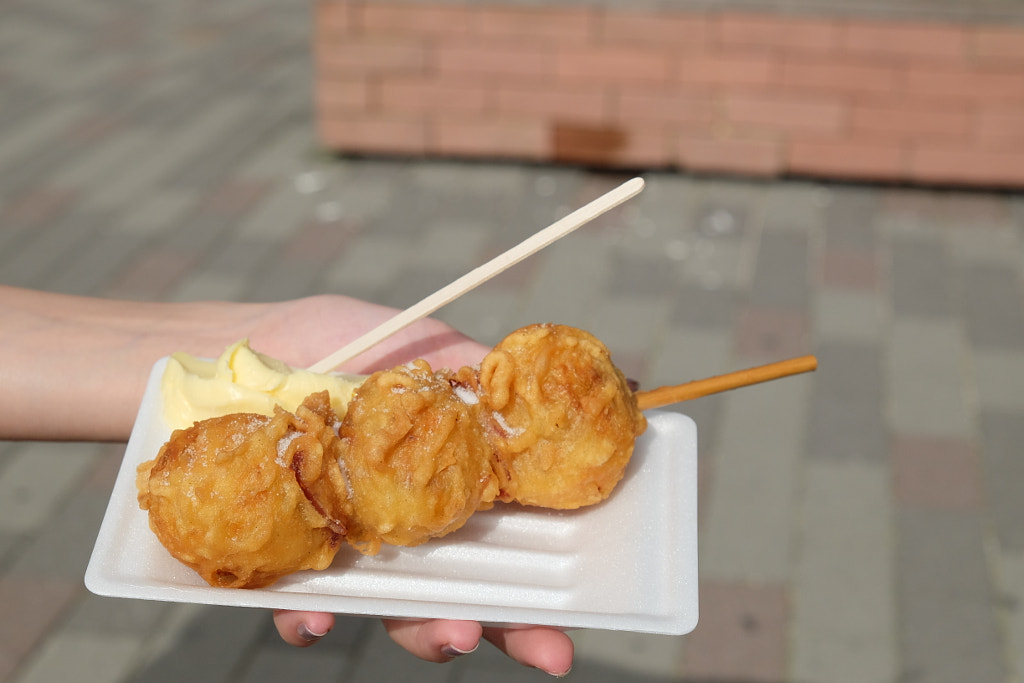
The food around here is qutie pricey since there is nothing else to eat here. So we grabbed one more snack. This was deep fried potato. Pretty good actually!


DSCF by info9813 on 500px.com

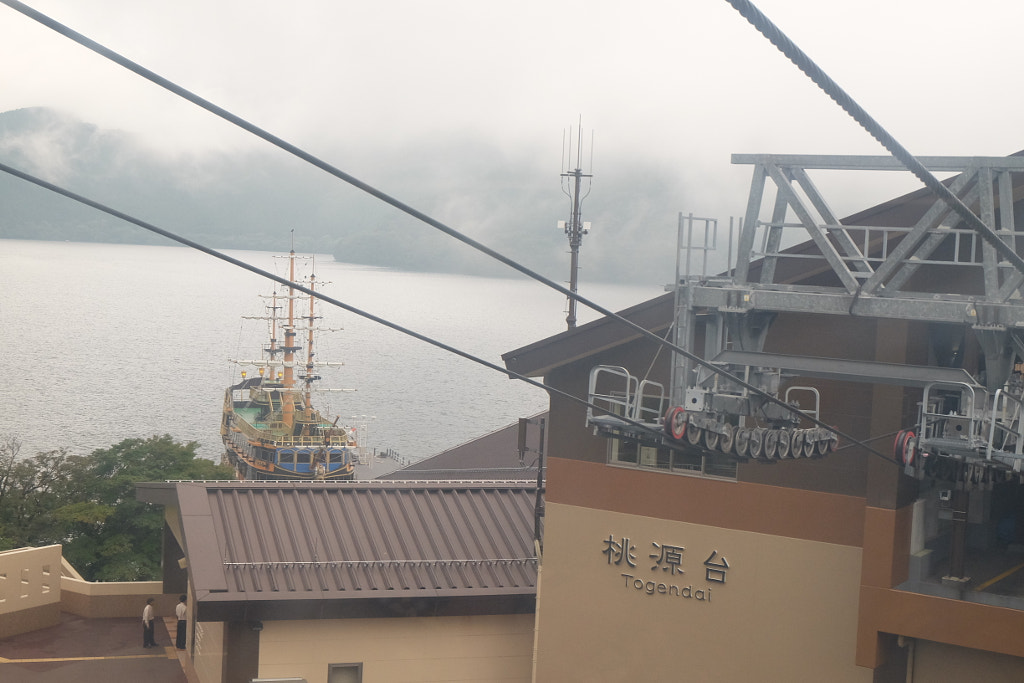
After grabbing a bite and snapping some scenic pictures, we decided to continue along to the next stop. We headed back to Sounzan Station and jumped onto the ropeway again which took us to the last station, Togendai. There is not much to do in this area again other than some souvenir shops. From here, you can take a bus back, but there is a more interesting way!


DSCF by info9813 on 500px.com

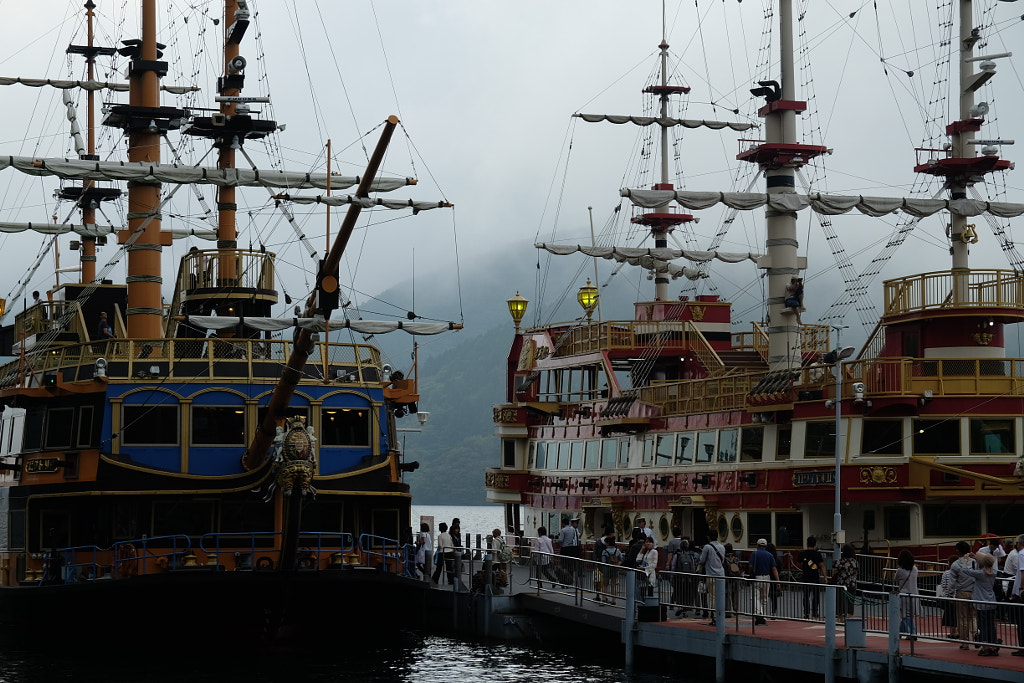
Pirate ship? Yes! Okay, well I’m not sure if they are called pirate ships, but they sure look like one. The Hakone Sightseeing Cruise links Togendai with Moto-Hakone-ko and Hakone-machi. Included on our Hakone Free Pass, we are able to take this ship for free which sails through Lake Ashinoko. The boat ride takes around 30 minutes and was very windy!


DSCF by info9813 on 500px.com

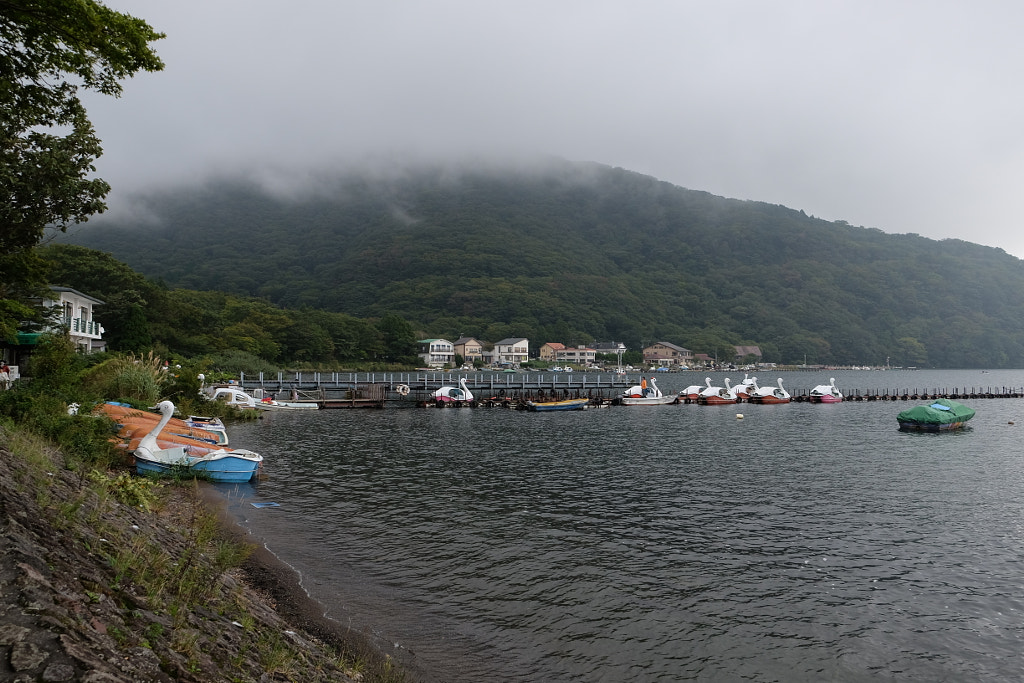
Lake Ashinoko (芦ノ湖) was formed from the eruption of Mt. Hakone back in the day. Again, on a clear day, you will be able to see Mt. Fuji, but I really could not see it. Along the shore, there are a few small towns and some lakeside resort hotels, but really not much. The ship took us to Hakone-machi, where we quickly hopped onto a bus so we could go back to Odwara. This took under an hour, so luckily we got a seat. There are many buses that can take you back to Odawara but it can be overwhelming. I suggest asking the staff when you are buying your Hakone Free Pass so they can circle it on your map.


DSCF by info9813 on 500px.com

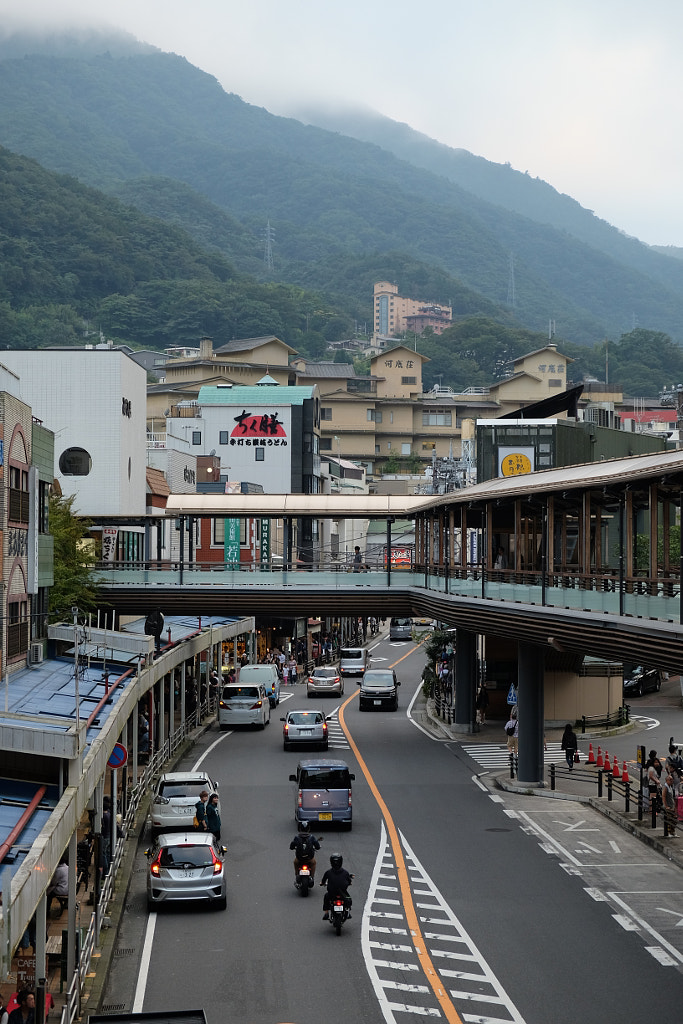
The bus ride actually wasn’t that bad. Soon enough, we arrived back in Odawara. The city does not have much to do. The most famous would be the Odawara Castle. However, we wanted to make sure we caught our train back to Shinjuku, so hurried back to the train station after getting off the bus.


DSCF by info9813 on 500px.com

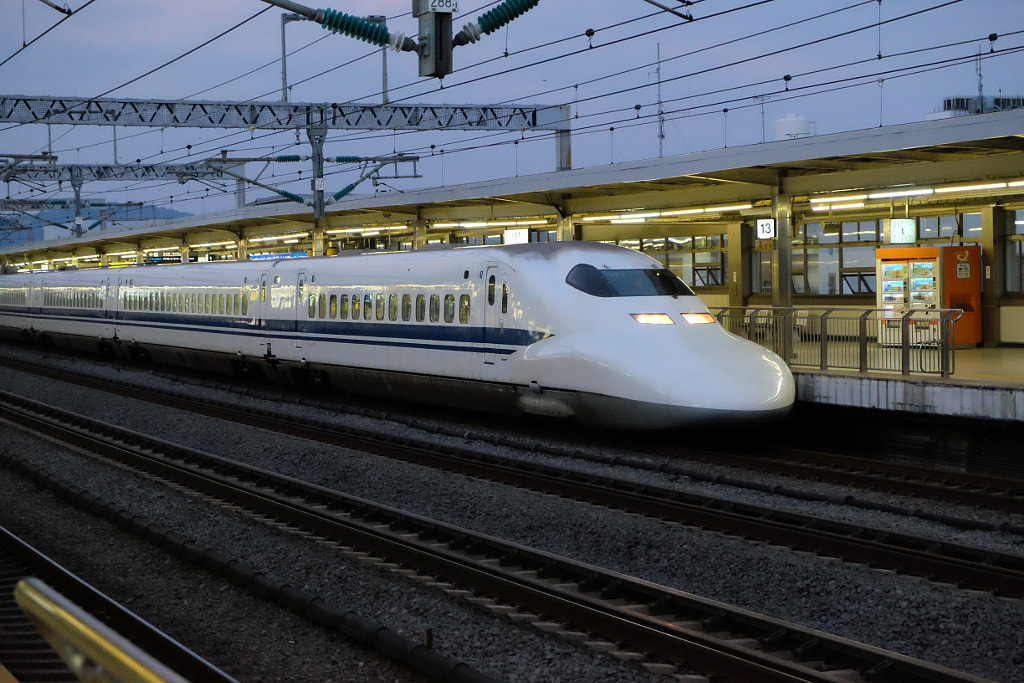
The shinkansen were so much fun to watch as they passed by. They really go at crazy speeds!


DSCF by info9813 on 500px.com

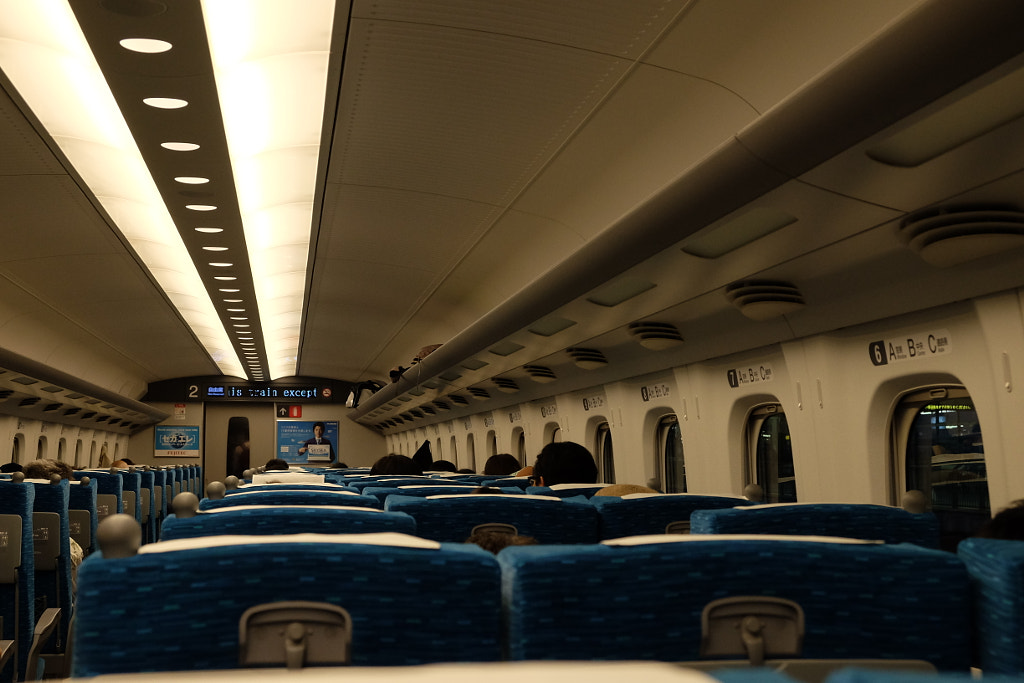
The shinkansen were also very clean and spacious. Way better than sitting on a plane! They even have bathrooms on it due to the long distances they travel. By the way, if you have a JR pass, you have the choice to reserve your seats. However, since we knew this train wouldn’t be too busy, we just went to the unreserved seating. Each train will have a few carts that are for non-reserved passengers, so it’s first come first serve. I would suggest reserving seats if you are taking the train during peak times, but otherwise, they seemed relatively empty. Off we went back to Shinjuku for dinner! Stay tuned! Highly recommend checking Hakone out for at least a day if you want a getaway from busy Tokyo!


Detailed information including the map of this whole route can be found here: http://www.odakyu.jp/english/destination/hakone/#link-01

[Japan Series] Day 5 Cont’d: Asakusa 浅草, Katgetsudo Melon Pan 浅草花月堂の店舗, Ueno 上野, and Tokyo Metropolitan Government Building 東京都庁

DSCF by info9813 on 500px.com

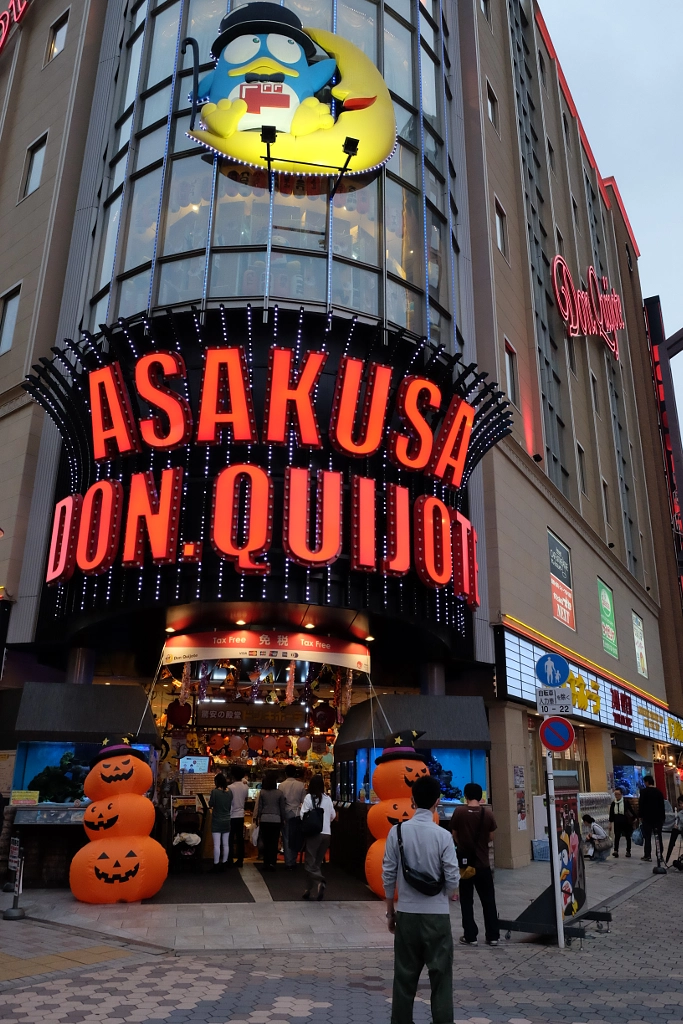
After visiting Akihabara, we decided to train to Asakusa which is known for the Sensoji temple. Funny how the first thing we saw was another Don Quijote store though! Oh by the way… if you are here around Halloween time and need a costume, this is the place to buy it! I bet you will stand out when you return to Vancouver!


DSCF by info9813 on 500px.com

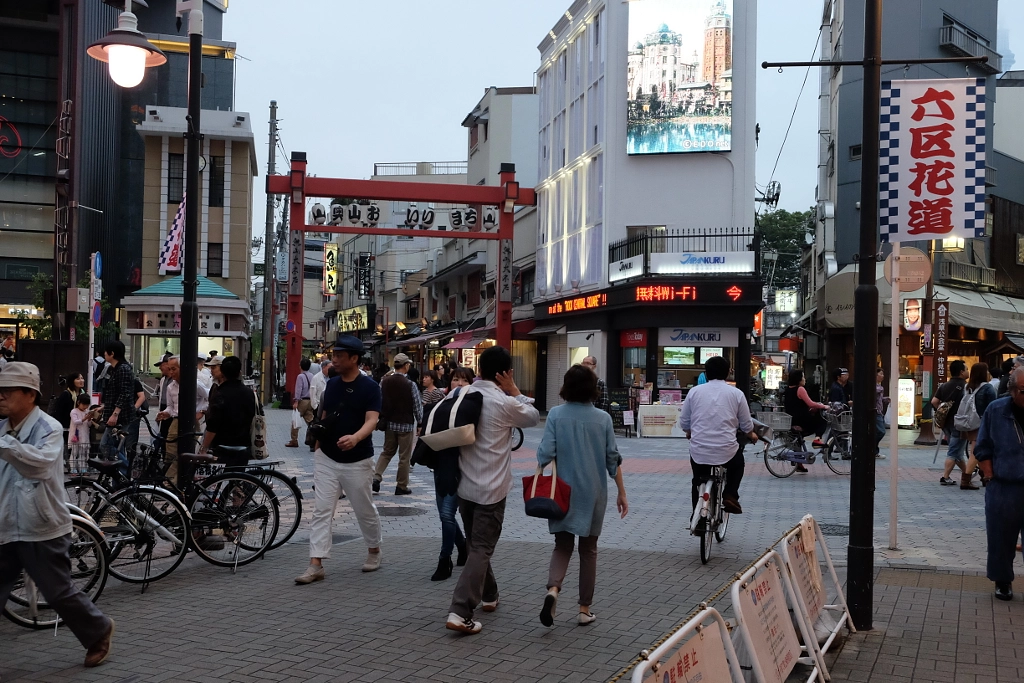
Asakusa has a mix of modern but older buildings as well. Asakusa was known to be the leading entertainment district back in the day. During the Edo period, it was the site of kabuki theaters and a large red light district. Today it is most famous for the Sensoji temple, Tokyo Skytree Tower, and the bridge above the Sumida River. I remember visiting a few years ago during one of their famous festivals and this was the spot to watch fireworks. It was crazy hectic!


DSCF by info9813 on 500px.com

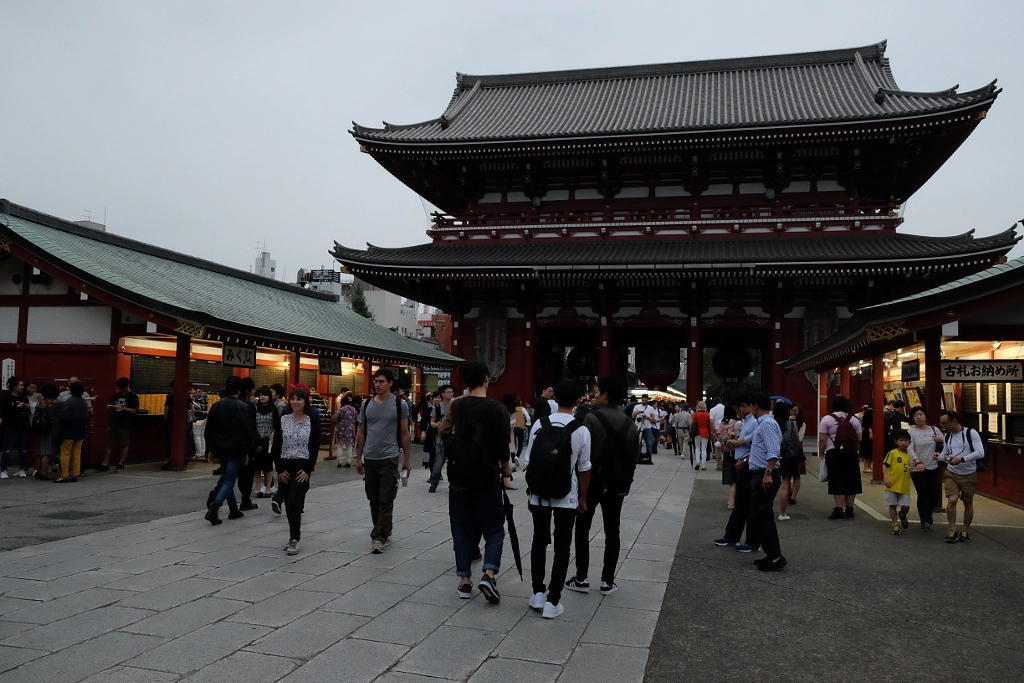
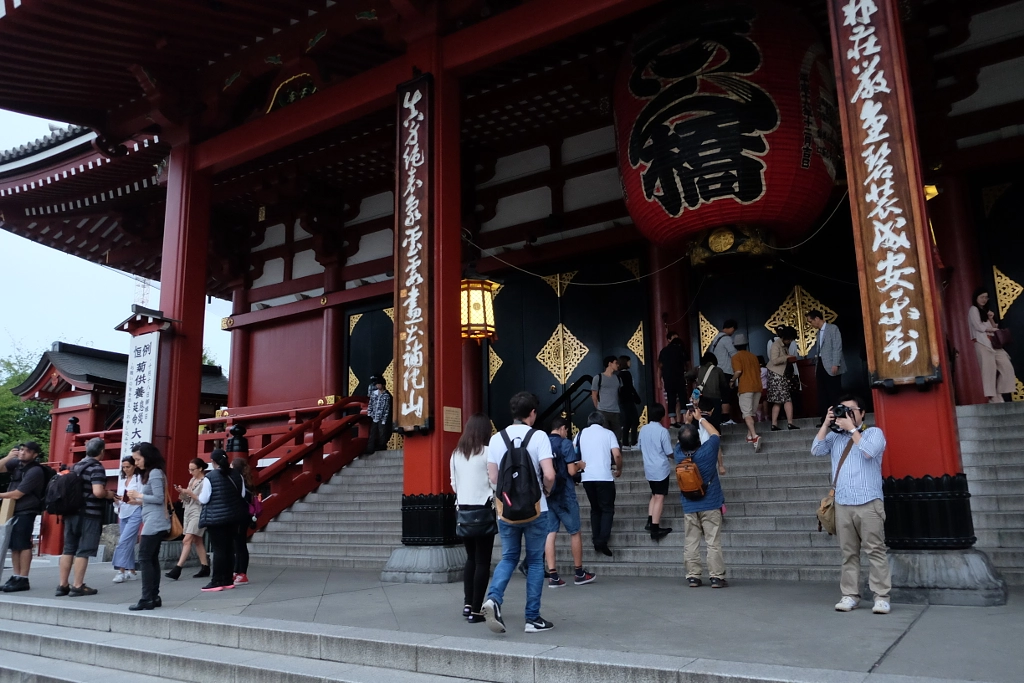
If you’re going to visit a temple in Tokyo, then you should probably check out Sensoji Temple, as it is probably one of the most famous in Tokyo. You’ll first walk through a large entrance gate called Kaminarimon which leads to Sensoji Temple. I believe there are two gates in total before you hit the temple.


DSCF by info9813 on 500px.com

Sensoji is famous because it is one of the oldest Buddhist temples, built in the 7th century. However, the ones we see today were built post-war, so are reconstructions. Still, it is pretty neat, especially with the large Japanese lanterns. Admission is free and you can usually go inside the temple but when we arrived it was near closing. The temple closes at 5pm.


DSCF by info9813 on 500px.com

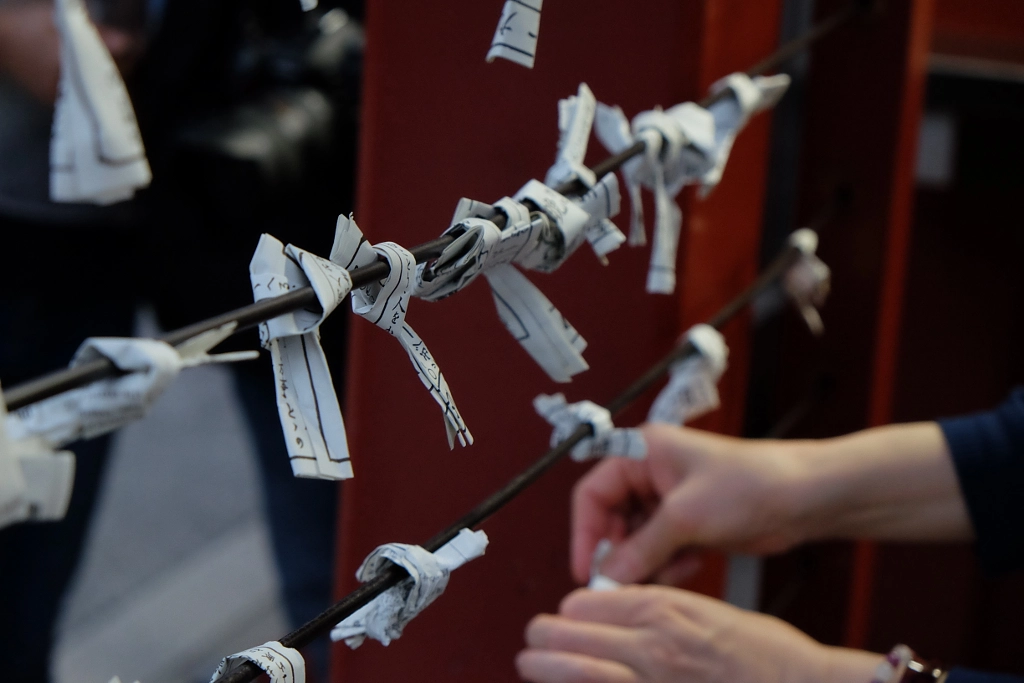
You will find tourists and locals doing rituals here such as writing a wish and tying it on this bar in a knot. There is also a water fountain where you pour the water over your hands along with some other rituals which are supposed to give good luck. Look around you and follow if you want to try it out!


DSCF by info9813 on 500px.com

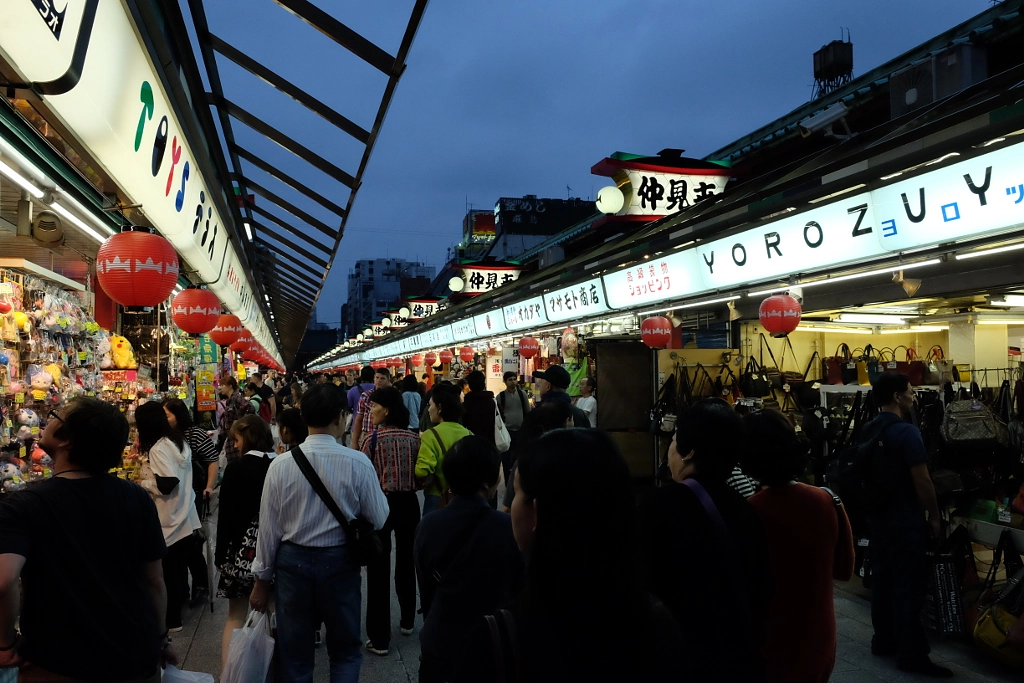
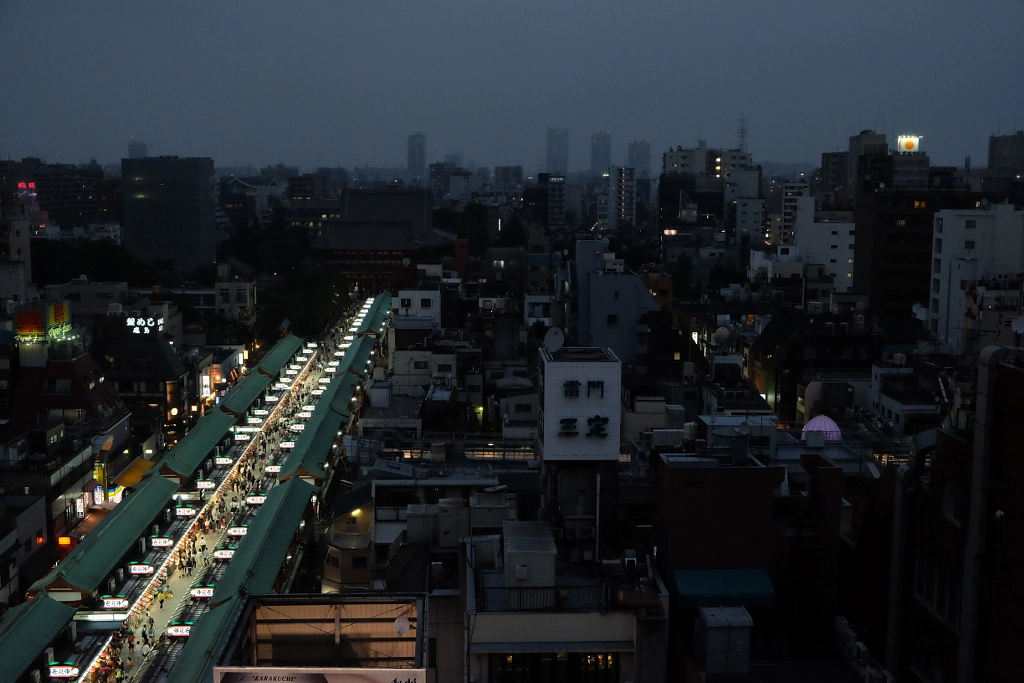
Between the first gate and the second gate, you will find a shopping street of over 200 meters, called Nakamise. You will find traditional Japanese souvenirs as well as local snacks here. At night time, it is lit up and is quite lively.


DSCF by info9813 on 500px.com

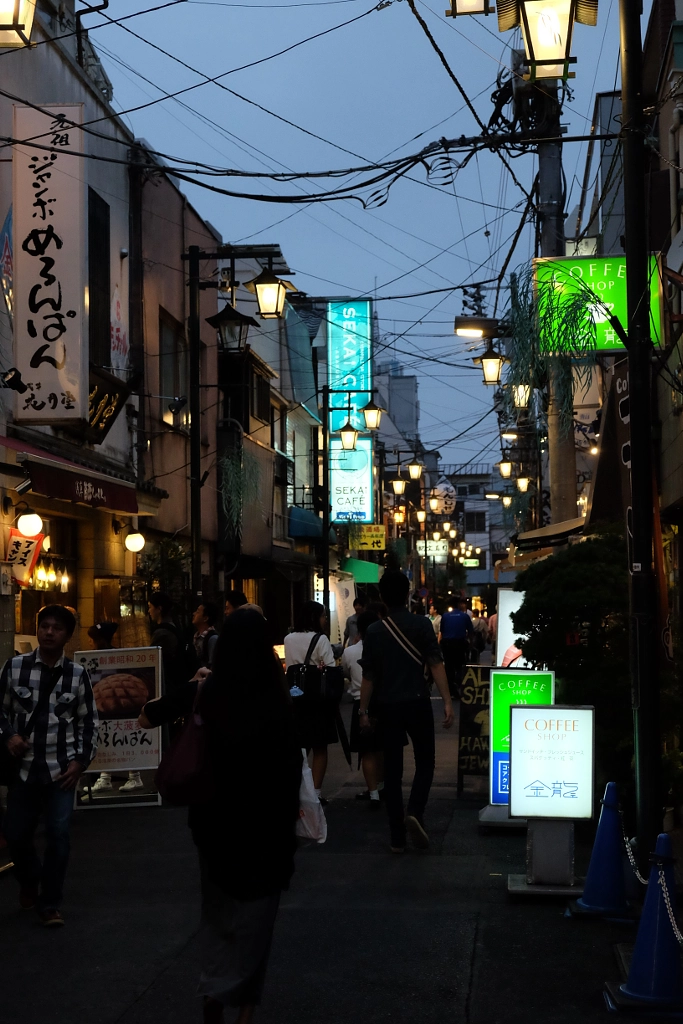
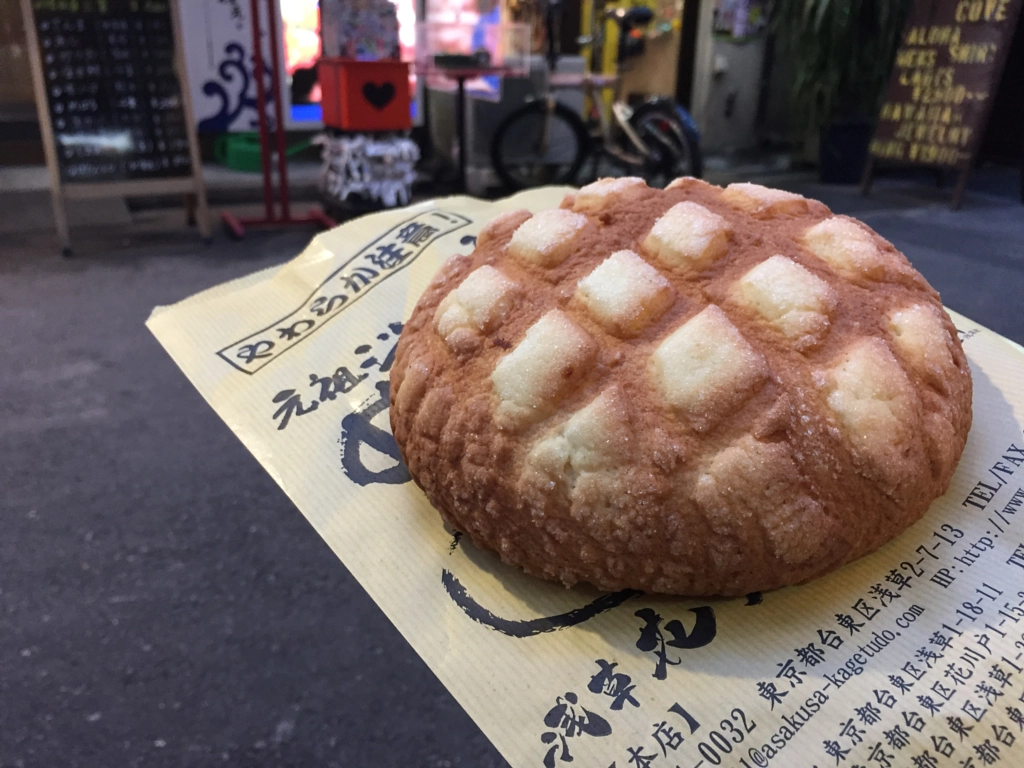
My friend had told me there is a bakery that I needed to try at Asakusa. Tucked away in a street off this busy shopping street is Katgetsudo. They are famous for melon pans!


IMG by info9813 on 500px.com

Melon Pan is a sweet bun with a cookie like crust at the top. It is shaped like a melon, hence the name. It had some crystalized sugar on top, and when warm, the bun was soft and fluffy! Too bad we arrived near closing as well, or else they have other varieties to choose from, including adding ice cream inside. I thought it tasted like a pineapple bun that we commonly eat in Hong Kong. Worth trying as it is a cheap snack and Katgetsudo is known to be one of the best!


DSCF by info9813 on 500px.com

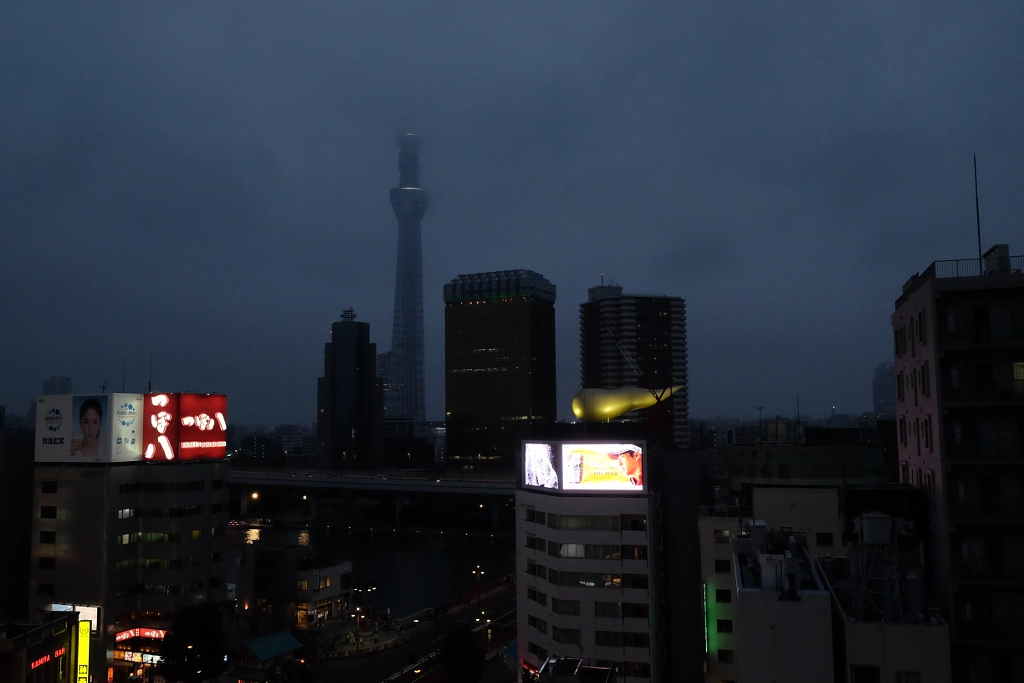
After snacking, I suggested we visit the Asakusa Culture Tourist Information Center which is nearby as I heard they have a free observation deck. The center is only eight stories, but you can still get a good view of the Nakamise shoppign street and the Sensoji Temple. It was quite gloomy that day, but I would suspect you can get some decent pictures.


DSCF by info9813 on 500px.com

To our right, we saw the Tokyo Skytree and what is that…? A golden yam? Turns out that is the Asahi Beer Tower and Asahi Super Dry Hall! Too bad we didn’t get a chance to check it out. I believe they have a restaurant and beer on tap.


DSCF by info9813 on 500px.com

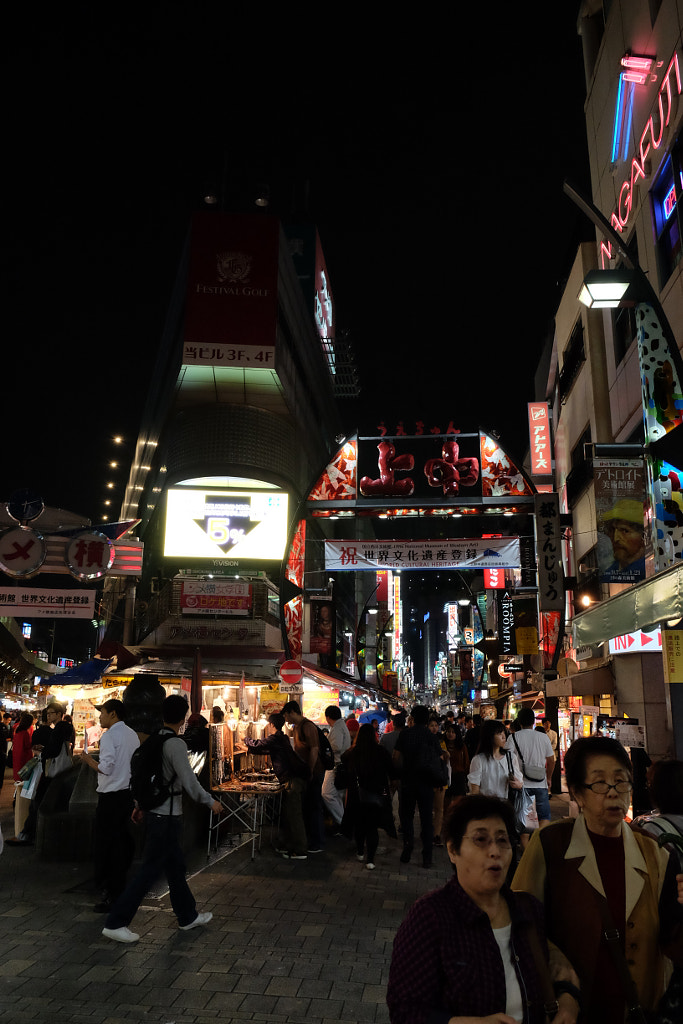
We decided to then head over to the Ueno district to look for food. Ueno is famous for its park and also many museums. However, if you get off at Ueno station and walk out, you will find that there are tons of restaurants along the streets. There was also a street that sort of reminded us of a night market.


DSCF by info9813 on 500px.com

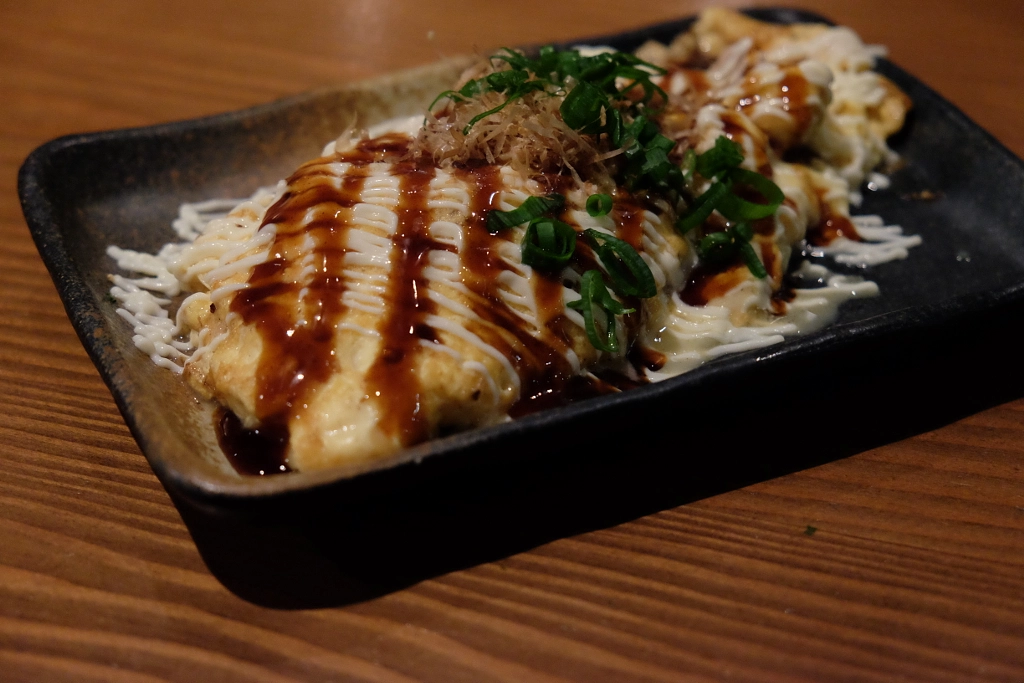
We ended up finding this building that housed many restaurants and found a izakaya type restaurant called Kotekichi. They featured okonomiyaki and many omelette type of dishes. First up was a pork omelette filled with cheese and topped with mayo and takoyaki sauce. Really enjoyed this piping out.


DSCF by info9813 on 500px.com

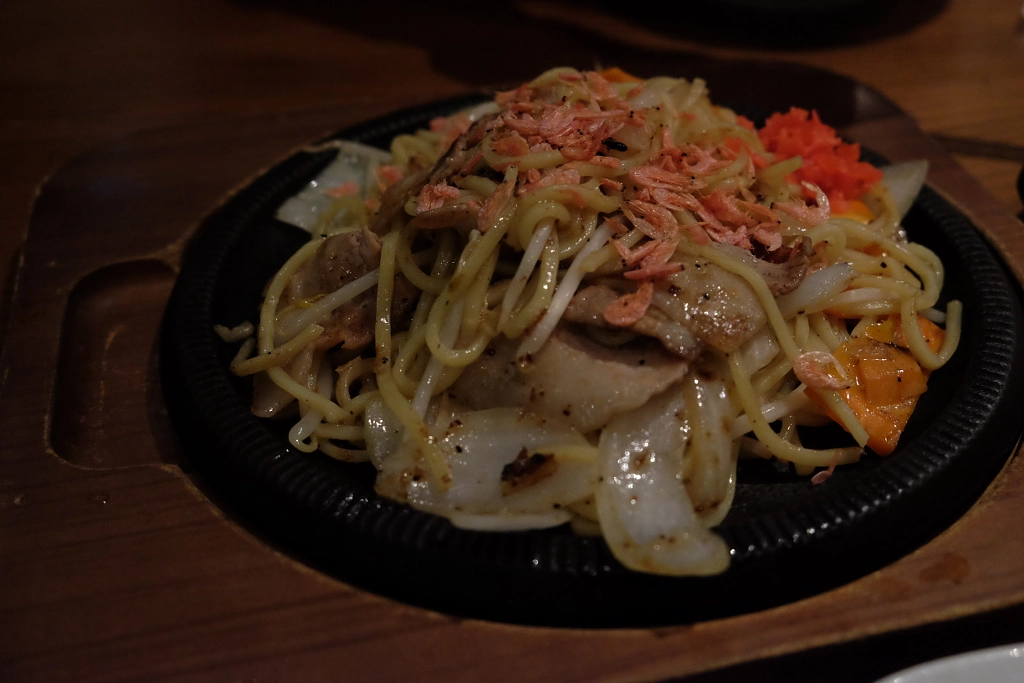
Next was a shrimp yakisoba. We were surprised that the shrimp were tiny dried ones. The flavour was great but I wanted fresh shrimp instead. Guess that would’ve cost a lot more though!


DSCF by info9813 on 500px.com

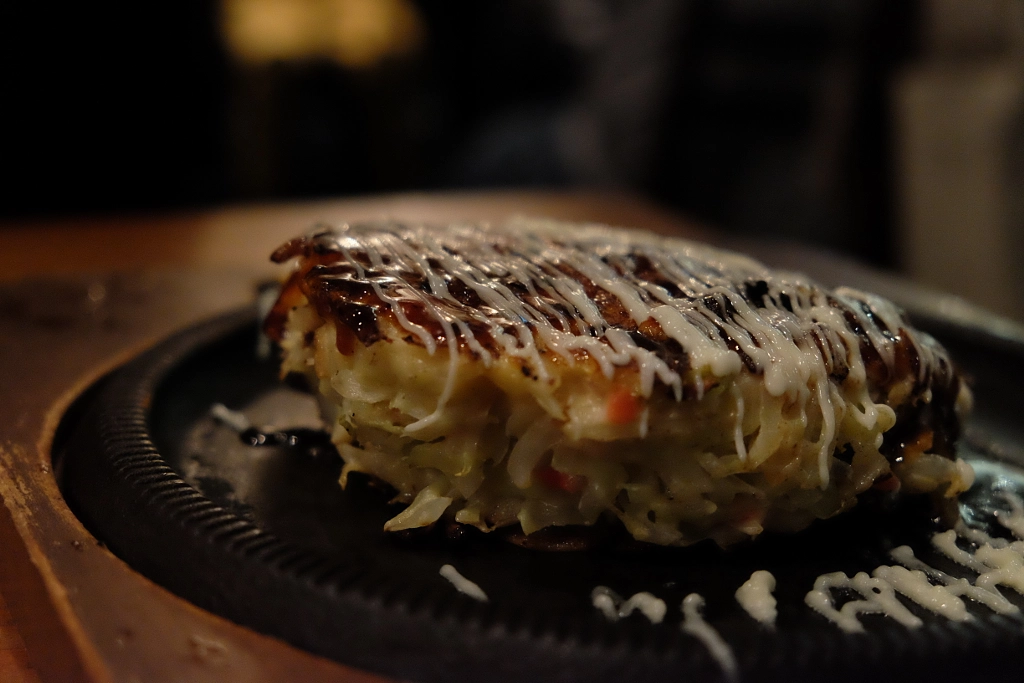
Last but not least was a seafood okonmiyaki. They actually brought us the okonomiyaki with the wrong filling so we returned this back to the kitchen and they were very nice about it. Perhaps there was a language barrier issue!


DSCF by info9813 on 500px.com

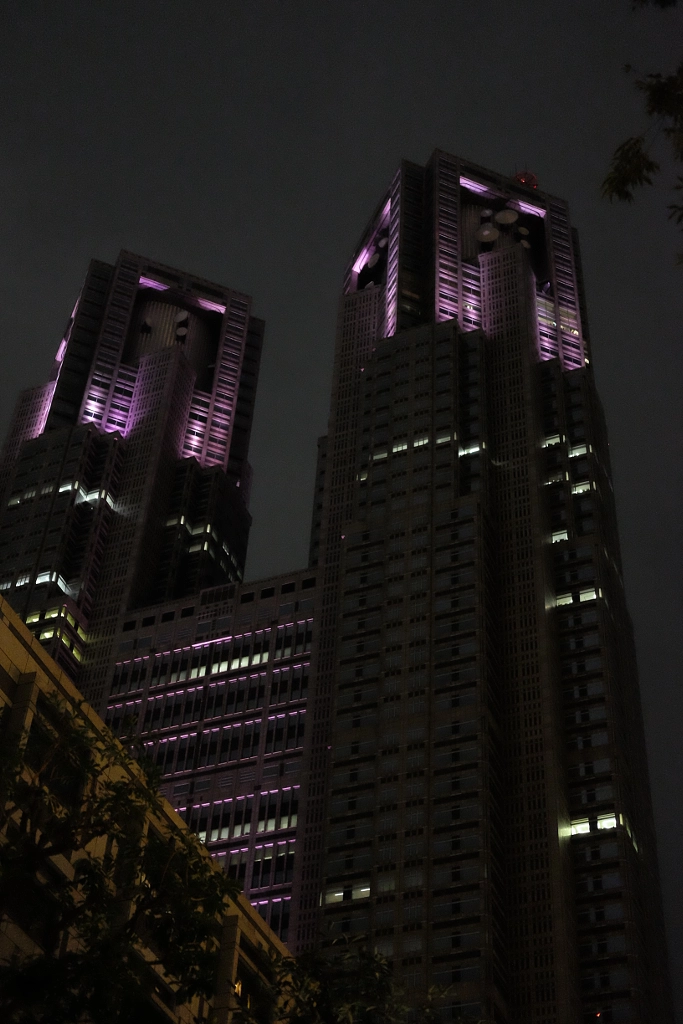
After dinner, we headed back to Shinjuku and S suggested we walk to the Tokyo Metropolitan Government Building (東京都庁). He read online that we can visit the observation deck for free. What a great idea because you can get a panoramic view of the city! We visited at night time, and I believe it closes at 11pm. However, there was still a line up to go in. We probably waited around 30 minutes as they have security check and also a wait to go up and down the elevator. The view was amazing and well worth the wait, especially since it’s free!


Senso-ji Temple
Address: 2-3-1 Asakusa, Taito 111-0032, Tokyo Prefecture
Kagetsudo
Address: 2-7-13 Asakusa, Taito 111-0032, Tokyo Prefecture
Asakusa Culture Tourist Information Center
Address:
2-18-9 Kaminarimon, Taito 111-0034, Tokyo Prefecture
Kotekichi (Ueno)
Address: 1-54 Uenokoen | Uenonomori Sakura Terrace 2F, Taito 110-0007, Tokyo Prefecture
Tokyo Metropolitan Government Building
Address: 2-8-1 Nishi-Shinjuku, Shinjuku 160-0023, Tokyo Prefecture
[Japan Series] Day 5: Akihabara 秋葉原 and PABLO Mini

DSCF by info9813 on 500px.com

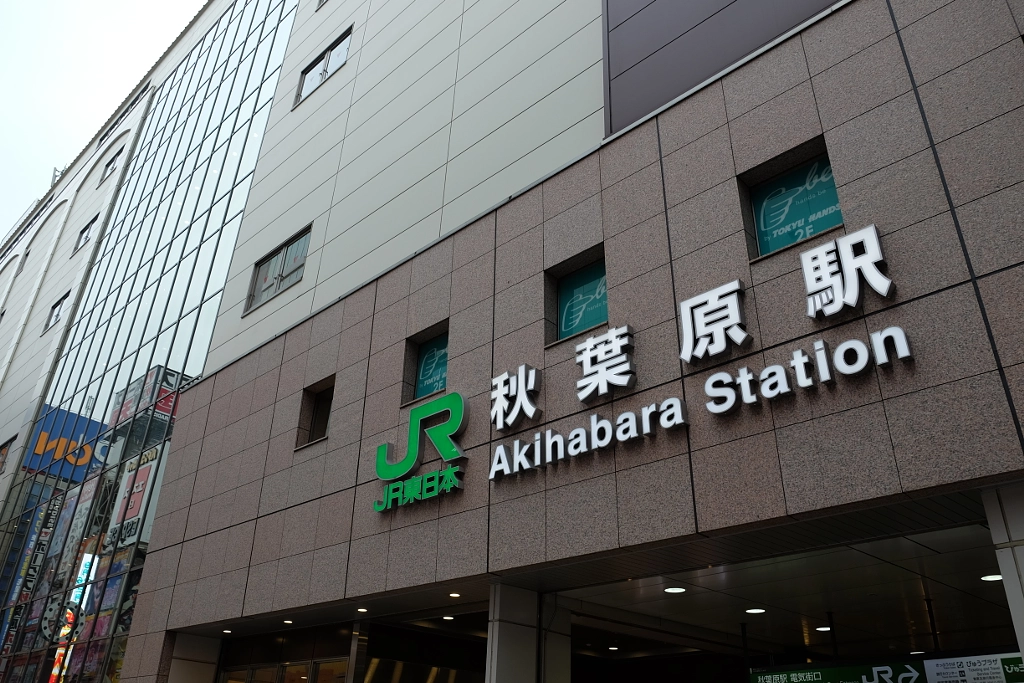
On Day 5, we trained to Akihabara Station. Akihabara district is known for electronics and the die hard anime fans.


DSCF by info9813 on 500px.com

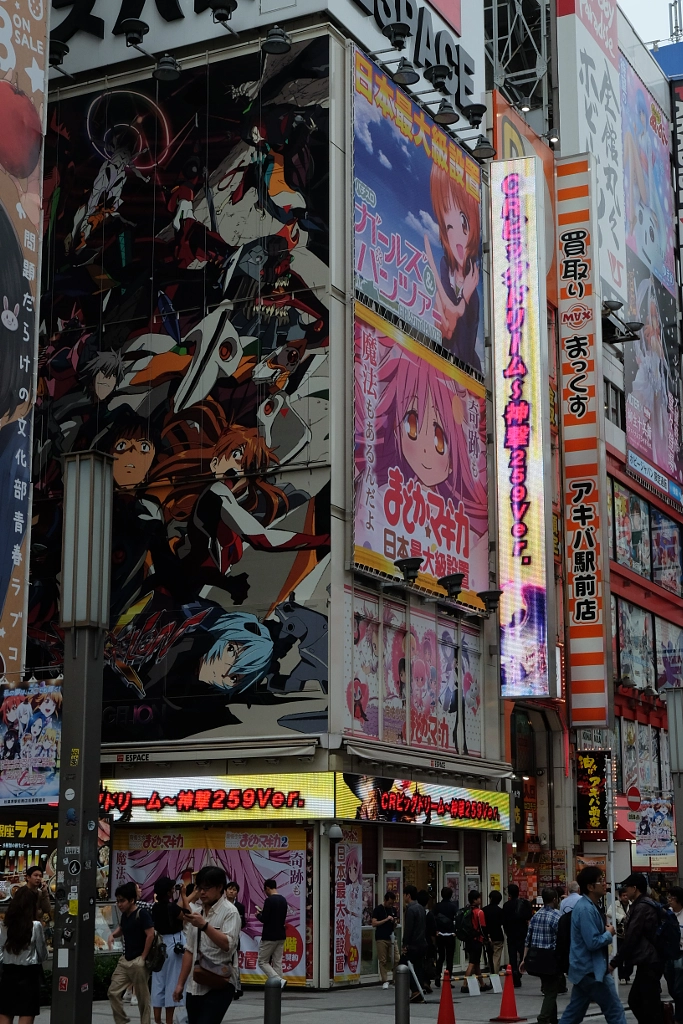
Once we stepped out of the station, we immediately saw buildings covered with anime art and tall buildings full of electronics. Seriously if you think Best Buy has everything, you need to check out these electronic department stores… The number of floors are endless…


DSCF by info9813 on 500px.com

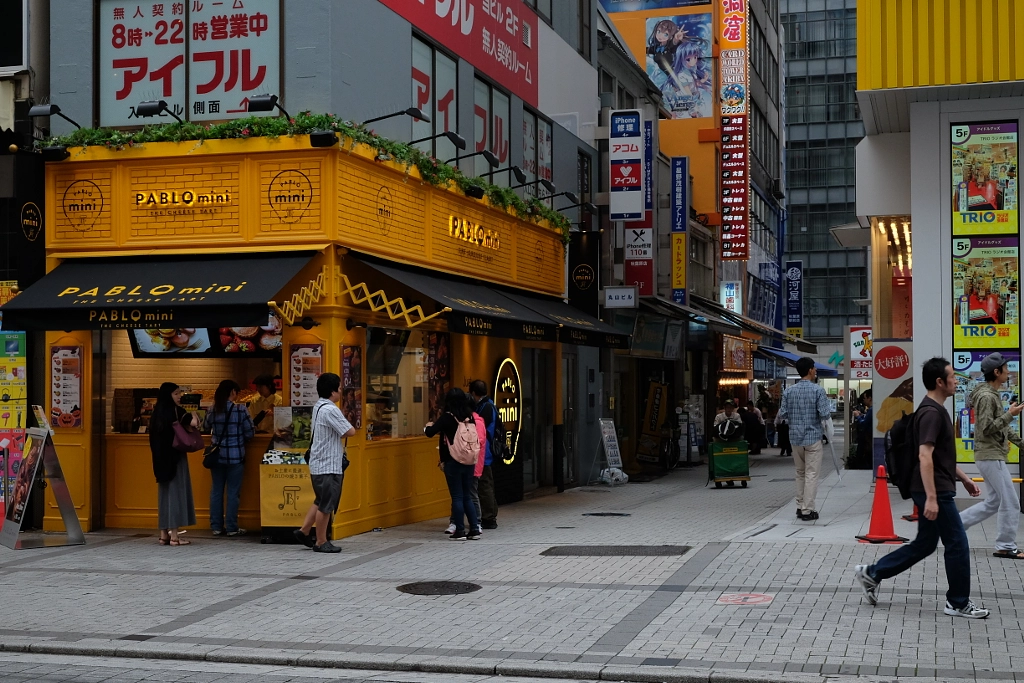
I’m honestly not that interested in electronics, but S really wanted to visit. However, I have to say I was pleasantly surprised by all the high-tech products they have in Japan. Even hair appliances were amazing! Anyways, I was looking out for food while S was taking pictures. Coincidentally, I found PABLO Mini! They are famous for their cheese tarts, but this shop sold their mini versions. Since S doesn’t eat cheese, I was happy that they had mini versions so I didn’t need to stuff myself.


DSCF by info9813 on 500px.com

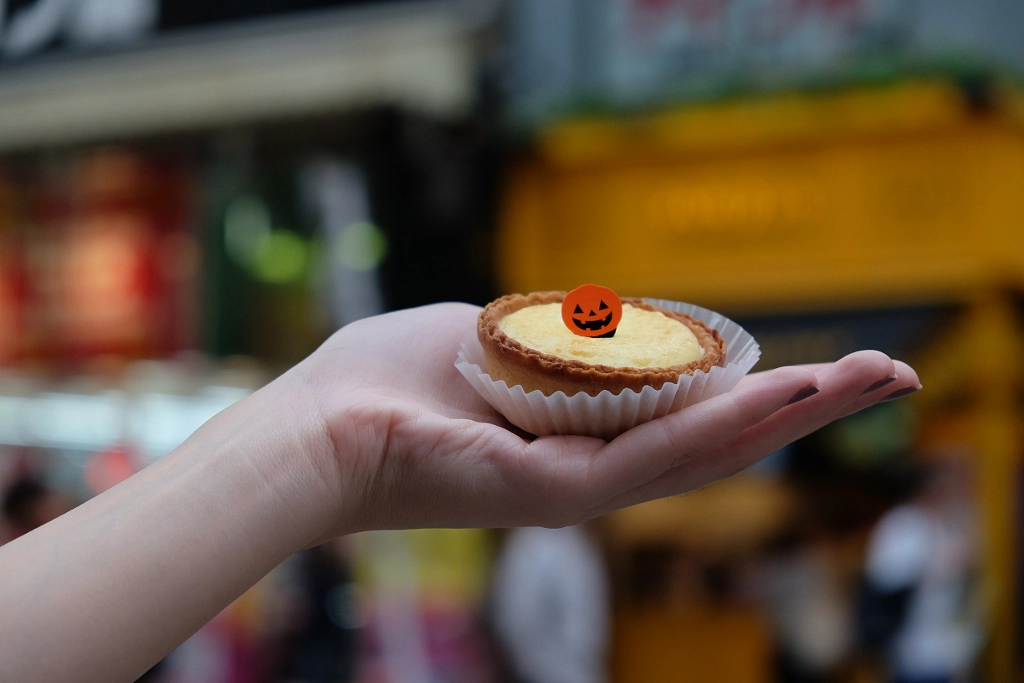
I got the original cheese tart and look how cute this mini version is! Plus, it was getting close to Halloween, and they added this cute little stick out. I’ve had the large Pablo tart, so I have to say the larger one is better. But still, if you want a quick snack, this is great. A must try and I would suggest getting the full size if you have a group to share with.


DSCF by info9813 on 500px.com

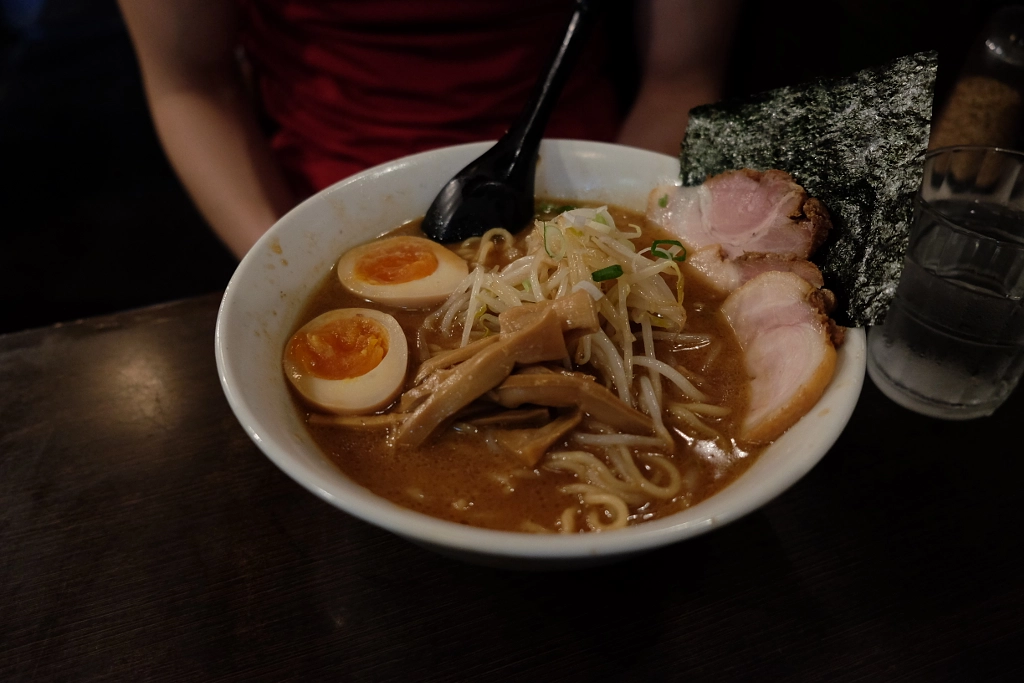
After checking out all the electronic stores (which seems to never end), we got tired and both of us could not decide on a place to eat. Being upset, we randomly chose a ramen shop and ate. There were actually diners in there, so I could not imagine how bad the ramen could be, but I absolutely hated it. And I’m pretty sure S agreed. Look how messy the bowls were. The eggs were not cooked properly, the meat was super thick, and the broth was a thick mess. The bowl was large, but I’ve never had such a bad ramen.


DSCF by info9813 on 500px.com

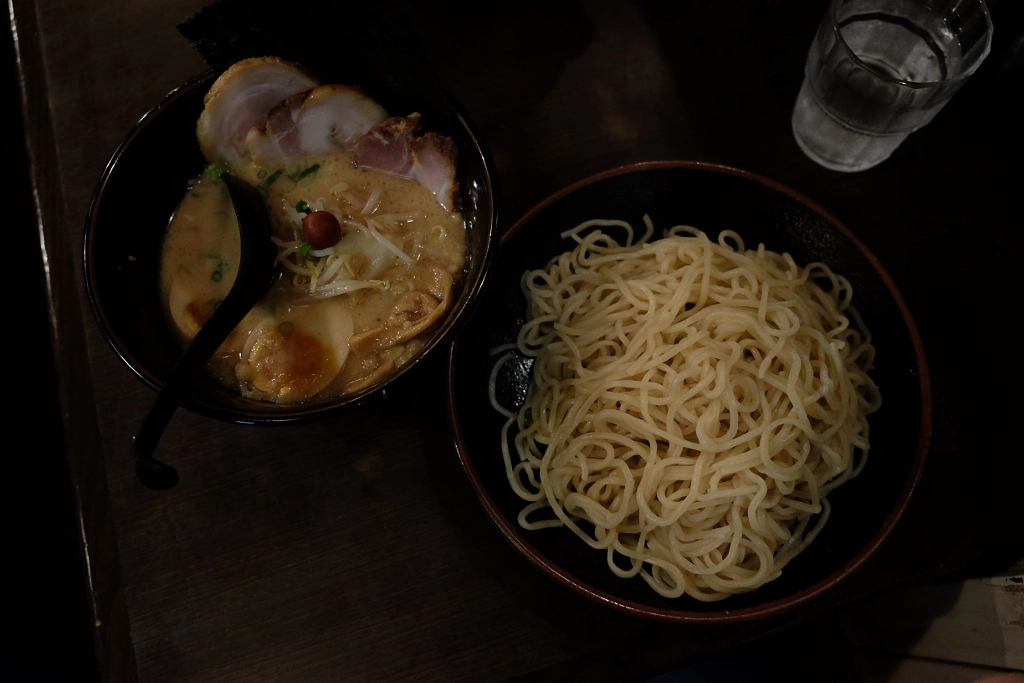
I got the Tsukemen, and again, it was disgusting. I wish I got the name down, but unfortunately did not get a picture of the outside.
Pablo Mini Akihabara
Address: 1-15-8 Sotokanda, Chiyoda 101-0021, Tokyo Prefecture
 

[Japan Series] Day 4 Cont’d: Harajuku 原宿 and Maisen Tonkatsu とんかつ まい泉

DSCF by info9813 on 500px.com

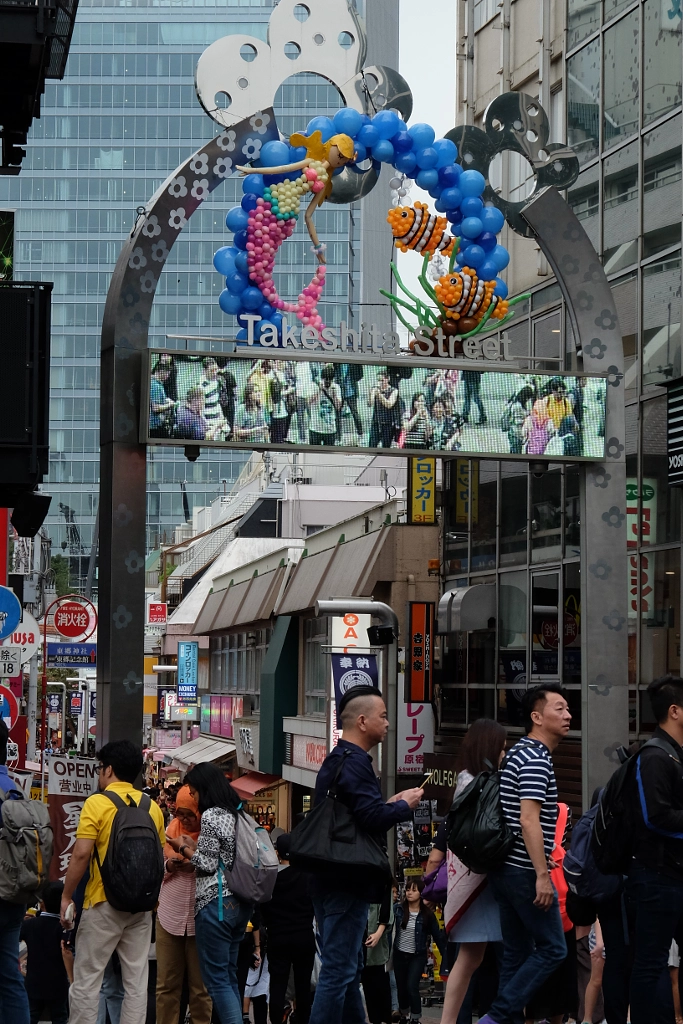
After shopping around Shibuya, we decided to take the train to Harajuku station. This district is between Shinjuku and Shibuya, so a great spot to visit if you are near these two stations. Harajuku 原宿 district is famous for extreme young and trendy culture and fashion trends. This is where the Harajuku and Lolita girls shop and although you will unlikely find anything to buy here unless you are into these trends, it is still worth a visit as there are a lot of wacky and cute things to find here. The famous Takeshita Street 竹下通り is where the action is at, with a closed off pedestrian only street where retailers are on either side of the street.
 

DSCF by info9813 on 500px.com

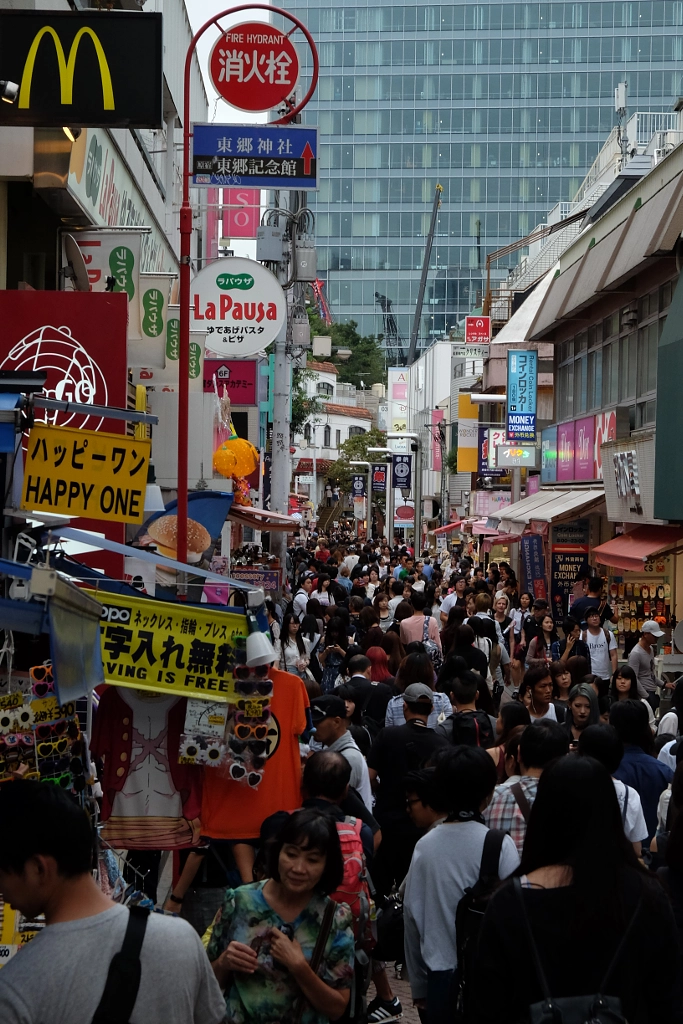
The Takeshita Street is quite narrow and since it is a well known tourist attraction, it is extremely busy and packed! Other than this trendy street, there is Omotesando, which is a street known as Tokyo’s Champs-Elysees. The target for this street is higher end adult clientele, but also includes a shop called Kiddy Land which is perfect if you love all the Japanese cartoon characters or are looking for toys (Japanese toys are next level by the way!).


DSCF by info9813 on 500px.com

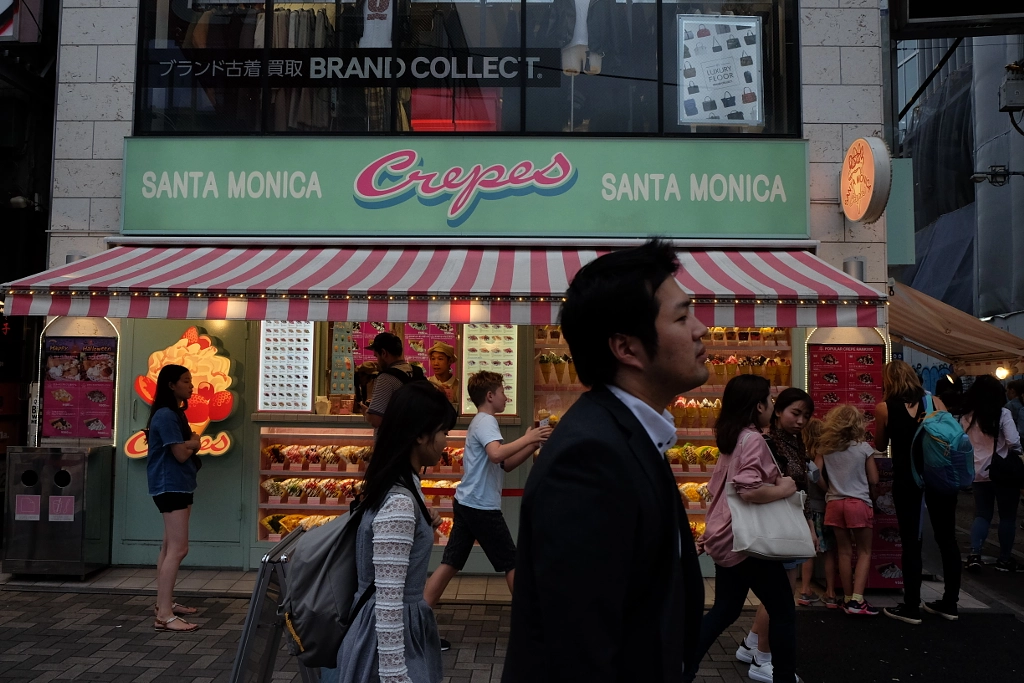
At the end of the street, you will find Santa Monica Crepes. I believe this is a chain, and you can actually find it in other districts, but crepes seem to be quite popular in the Harajuku district. They have literally hundreds of flavours! The crepes are rather expensive, going at around 500-700 yen, but they are visually appealing.


DSCF by info9813 on 500px.com

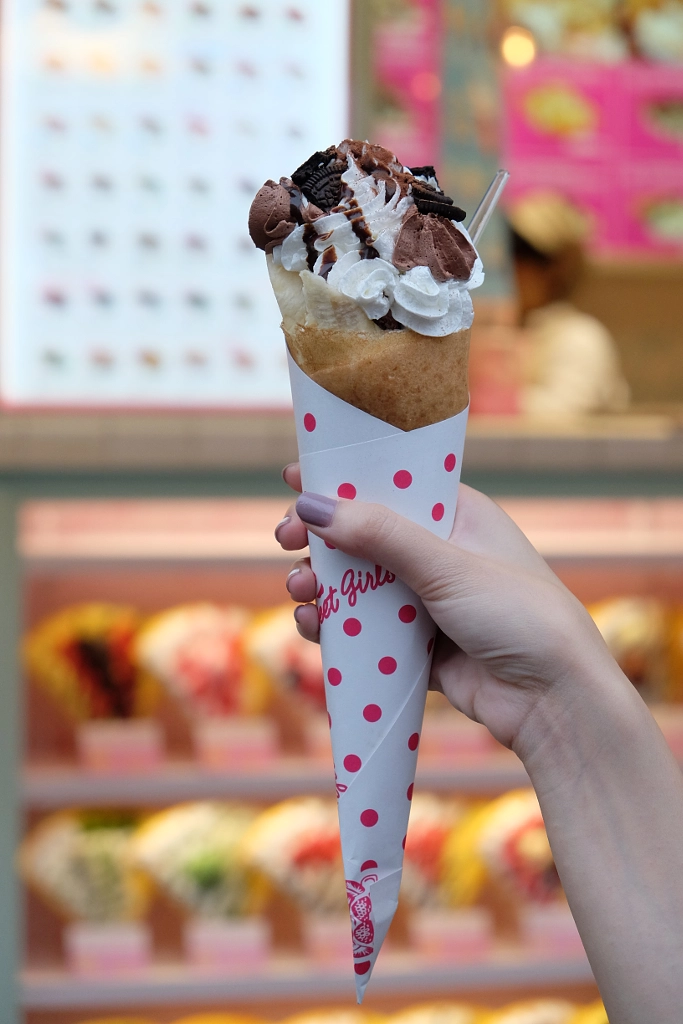
I wanted a matcha one, but of course S said he wanted the Chocolate and Oreo Crepe. I like how the whipped cream is light and the chocolate is not overly sweet. Funny because I read that many American tourists find it rather bland. I guess it is just a personal taste. I wouldn’t say this is the best crepe, but I think it is worth trying if you are in the area. Or at least try crepes from another crepe shop.


DSCF by info9813 on 500px.com

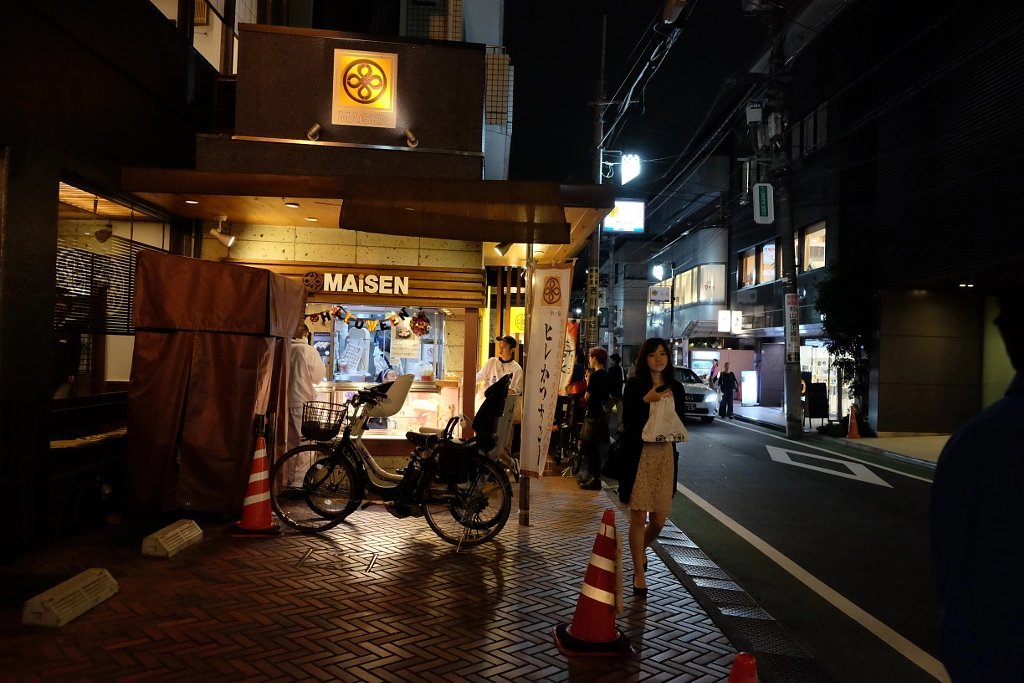
After wandering the streets, we took a long walk to Maisen Tonkatsu. This is a famous pork cutlet restaurant that my friends highly recommended. The price is on the higher end but this is because they are famous for using kurobuta pork, which are acorn fed pigs. They have so many varieties, and therefore the price can vary.


DSCF by info9813 on 500px.com

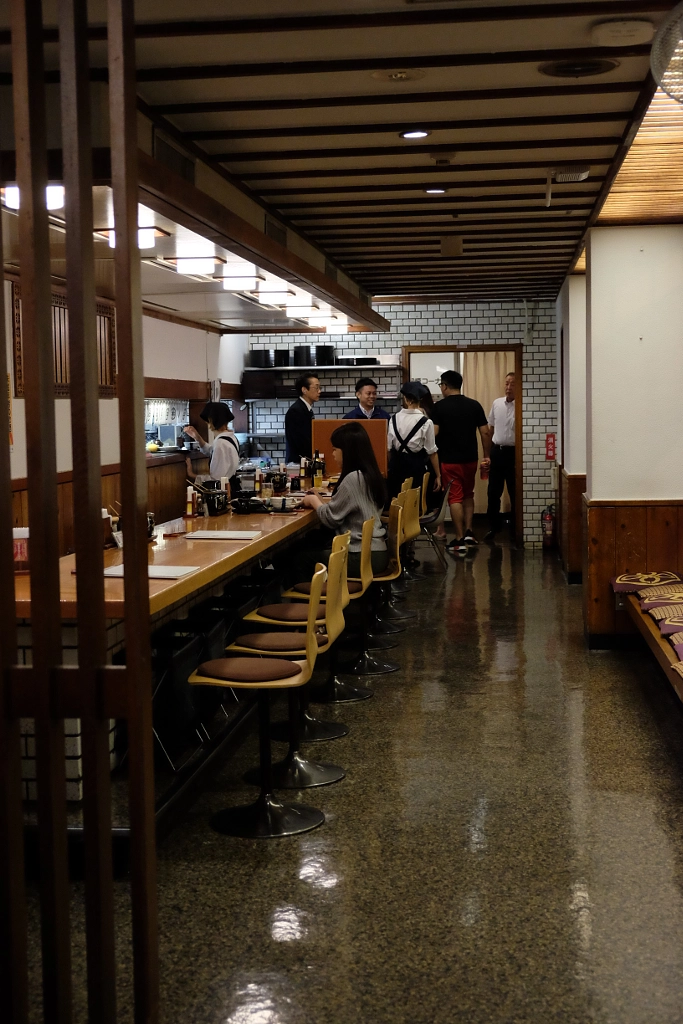
At first I thought the interior was very small as you first enter here. There is some bar area, but it seems like they put single diners here mostly.

IMG by info9813 on 500px.com

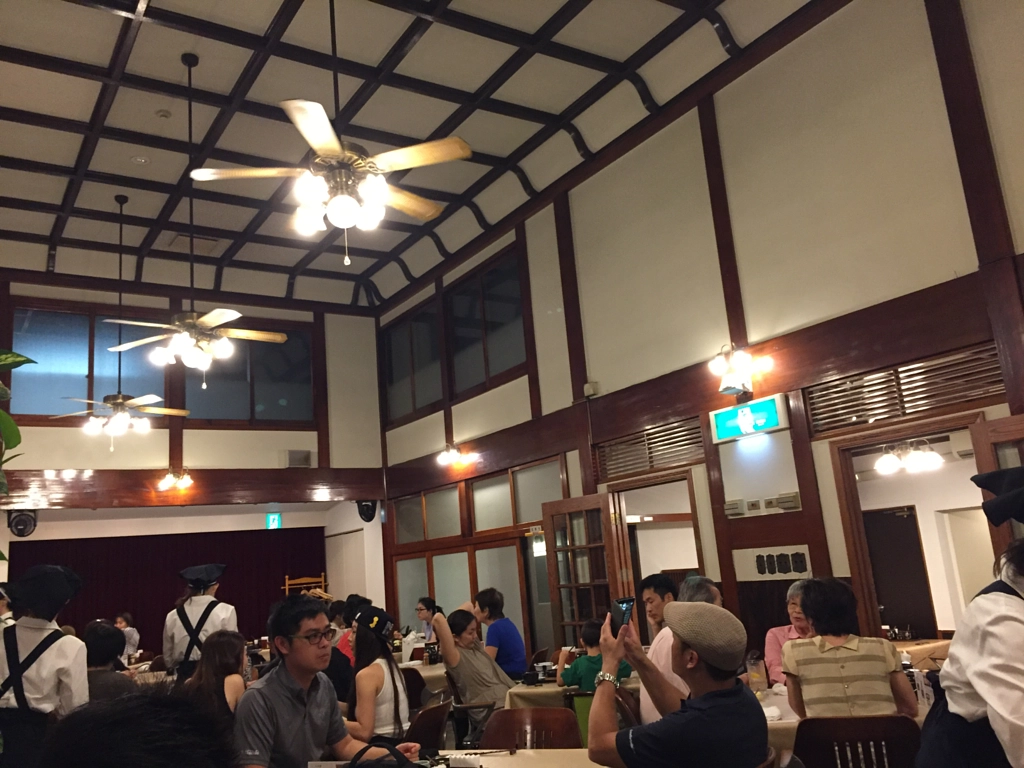
Keep walking through, and there is a huge dining room! It was sort of weird actually because it reminded me of a Chinese restaurant with round tables. However, this is perfect for large groups and many tourists come here. The reason for the large space is that this restaurant used to be a public bathhouse! Pretty neat ambiance, but don’t expect any fancy decor. We found there was a mix of diners although many were tourists. The group next to us seemed to be businessmen who had brought a foreign worker here.


IMG by info9813 on 500px.com

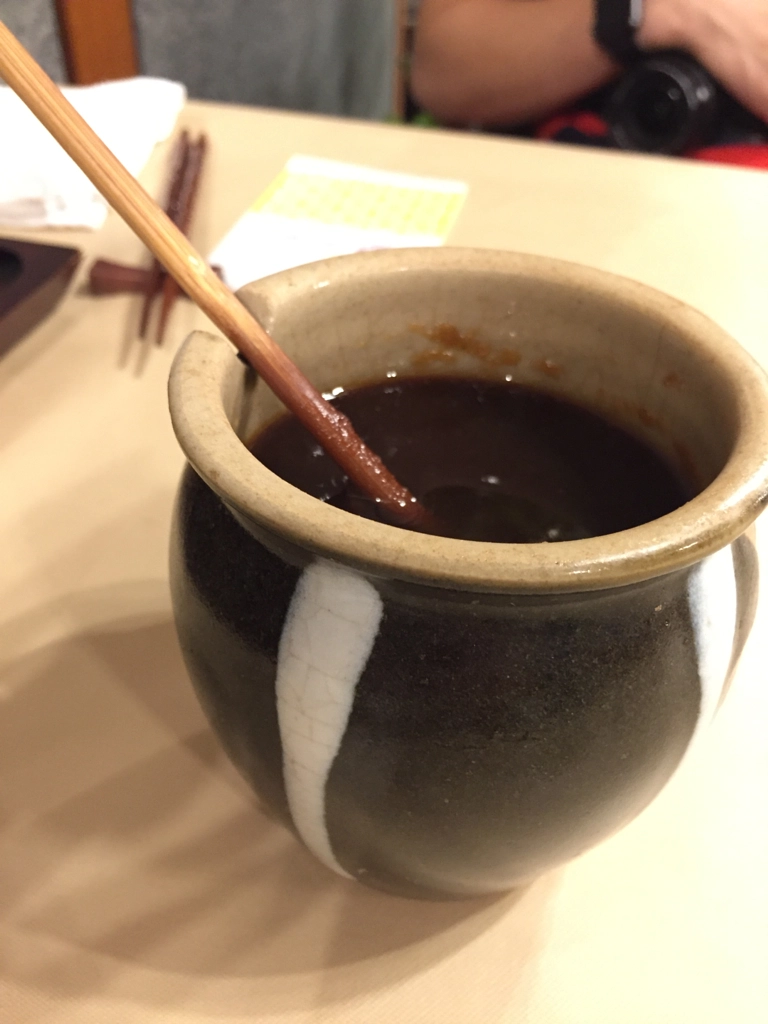
First up, if you don’t eat pork, then you might as well not eat here because pork is what they are famous for. We were given this jar of sauce right after we ordered. This is the famous Tonkatsu sauce and it was so good! I poured it over my pork as well as my coleslaw. Sweet and savoury but not overly salty.


DSCF by info9813 on 500px.com

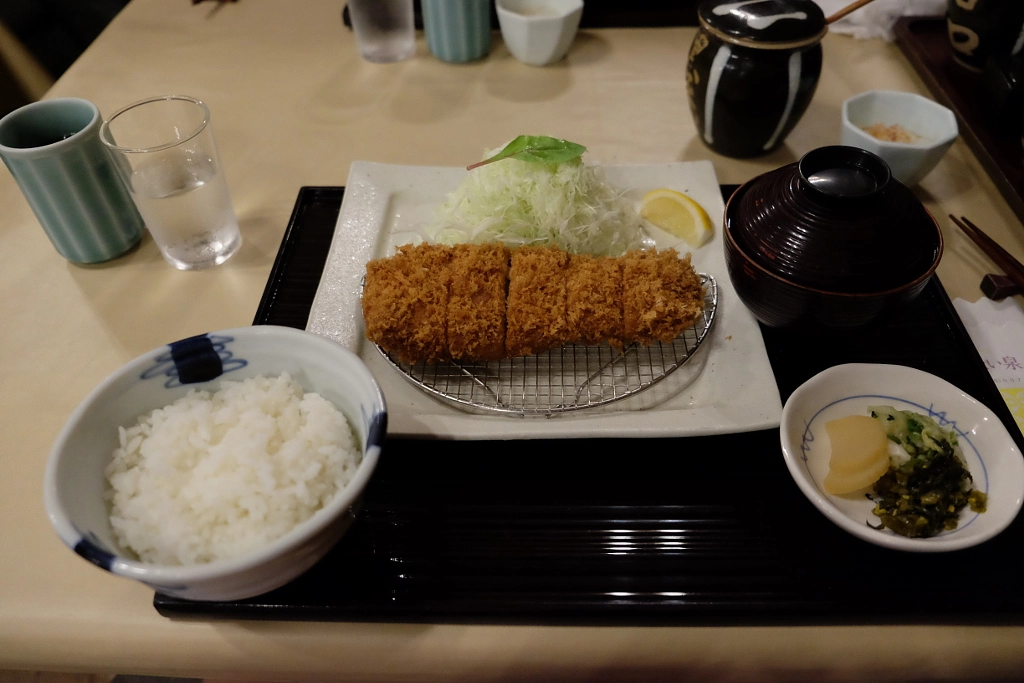
We each got a Tonkatsu set meal. It comes with the pork cutlet, a bed of cabbage, a bowl or rice, some pickled vegetables, miso soup, and dessert at the end. When we read the menu, we were actually quite overwhelmed. The menu has many of the common languages including English, and thoroughly goes through what each cut of the pig would taste like, and then the different brands of pork they offer. Some brands include the Tokyo-X, Kurobuta, Benibuta, and Amai-Yuwaku. Prices range from around 1500 to over 3000 yen. I believe these pigs feed on different diets and are raised under different atmospheres, creating different textures. From what I remember, we got a Tokyo-X and a Kurobuta.


DSCF by info9813 on 500px.com

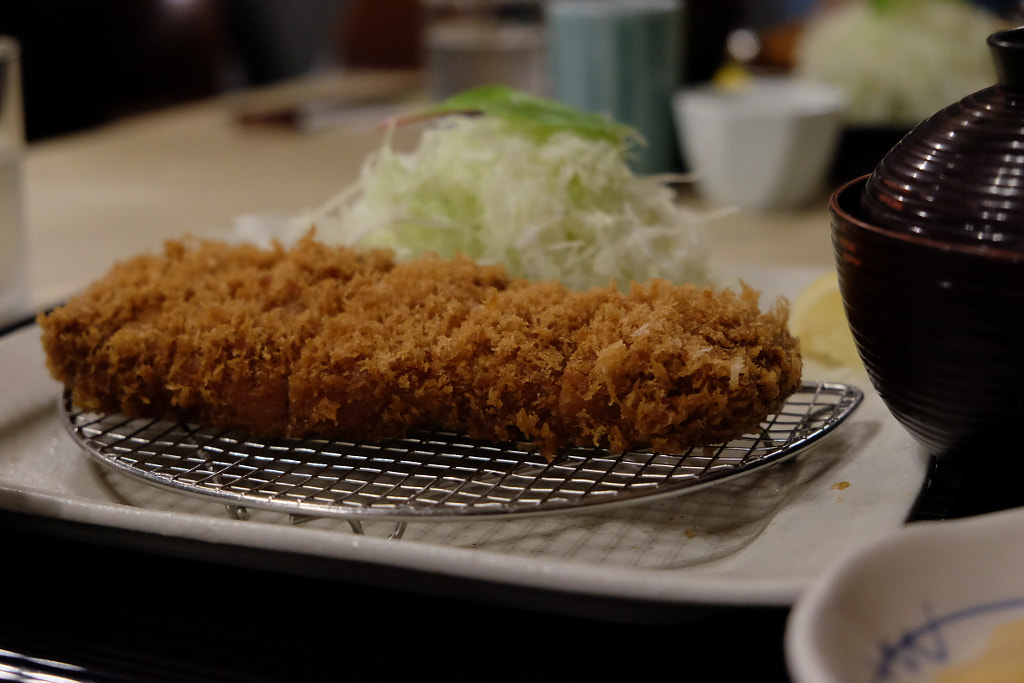
To be completely honest, S and I could not really taste the difference between the two brands. I think depending on the cut, this would give a bigger difference. We both got the loin, which is supposed to have just the right amount of fat and is the highest grade of pork next to fillet cuts. As we both had the same cut, I found it difficult to taste the difference in texture. Plus, both of the brands were similarly priced, so I guess we weren’t really expecting a low end and high end difference. I have to agree with other diners that the pork cutlet was delicious and probably the best I’ve had. The outside batter is light and did not taste oily at all. The meat remained moist, and the sauce was just addicting.


DSCF by info9813 on 500px.com

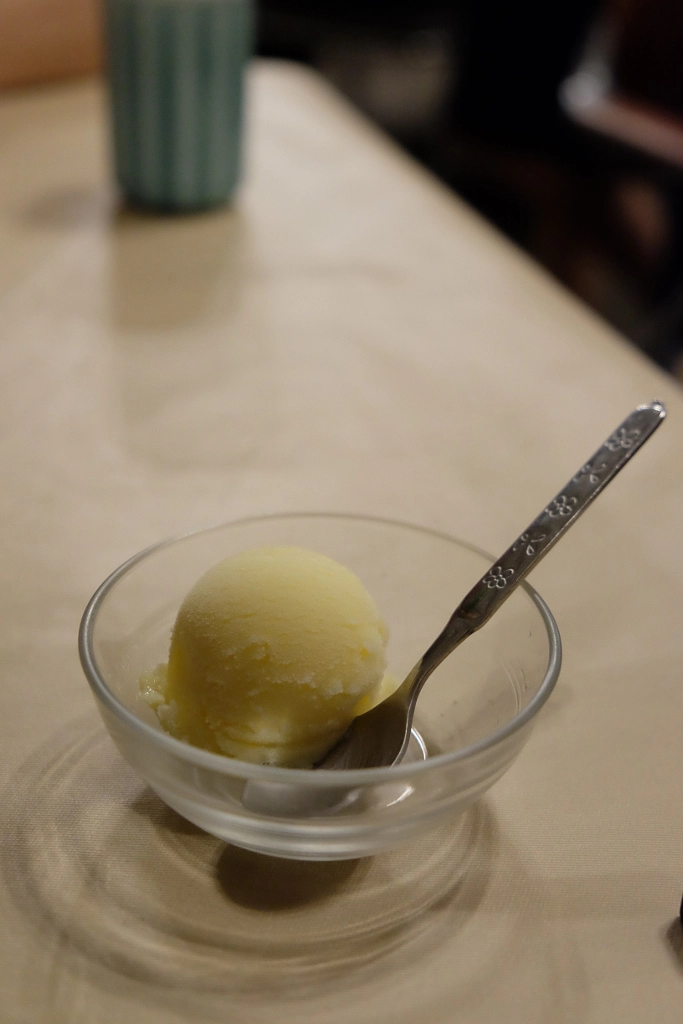
For dessert, we were given a scoop of vanilla ice cream. Nothing special, but a great way to end our meal.


DSCF by info9813 on 500px.com

After a delicious meal, we headed back to Shibuya, and the neon lights were now all lit up. How beautiful! We did some shopping at Don Quijote which is a must visit for any tourist. This is a discount store for makeup, snacks, and pretty much anything. Perfect stop to pick up some souvenirs and stock up some goodies to bring home. You can find this store in many districts actually, but the Shibuya one is always crazy hectic with tourists.

Takeshita Street
Address:

Maisen Tonkatsu
Address: 4-8-5 Jingumae, Shibuya 150-0001, Tokyo Prefecture
Don Quijote
Address: 28-6 Udagawacho, Shibuya, Tokyo 150-0042, Japan