Soy Fish Private Chef

IMG by info9813 on 500px.com

Sashimi Salad

Back in the summer, S invited me to join a couple of her friends for a private sushi dinner. We contacted Takuya Motohashi, the chef at Soyfish, who can prepare your meal at your house. We ended up doing it at a friend’s clubhouse which had a simple kitchen. He brings all his kitchen equipment, so don’t fret if you don’t have any kitchen equipment. Takuya began learning the art of sushi as an early teenager working for his father. In his early twenties, he left for Japan to apprentice for some of the countries’ masters. For over two decades, Takuya has developed and mastered techniques and styles that he has brought back to Canada to offer his clients, to create a private dining experience like no other. Our dining experience was $100 per person before tip. Depending on what you want as part of your menu, the price can differ.

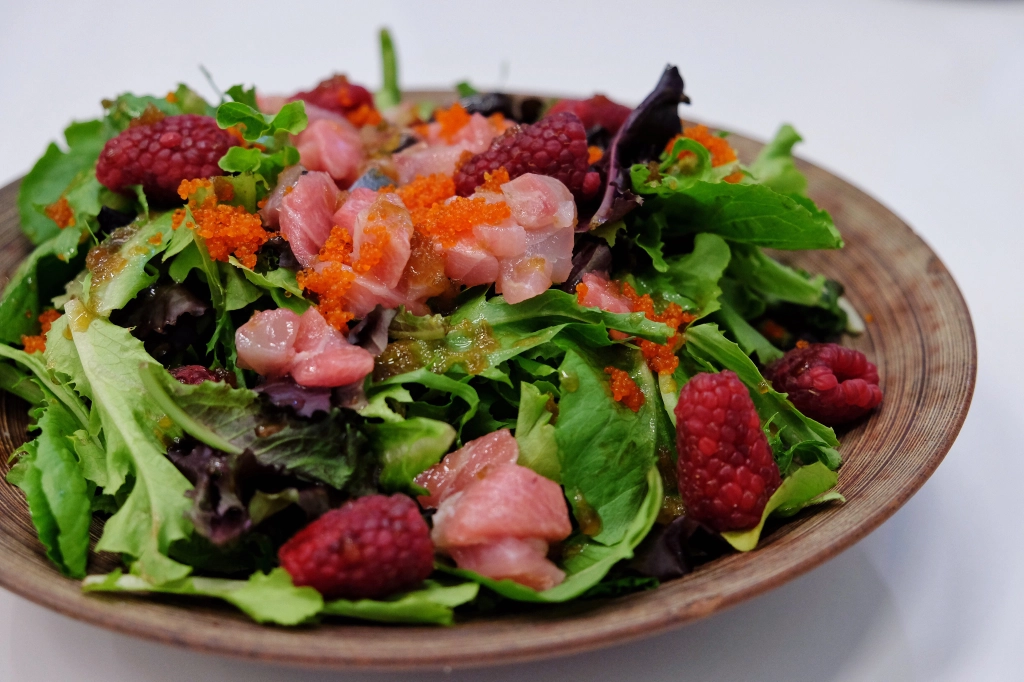
As our appetizer, we had the Sashimi Salad which had pieces of snapper and blue fin tuna, raspberries, tobiko, and an apple vinaigrette to drizzle. Such a light and delicious start to our meal. Really loved this salad!


IMG by info9813 on 500px.com

Miso Marinated Black Cod

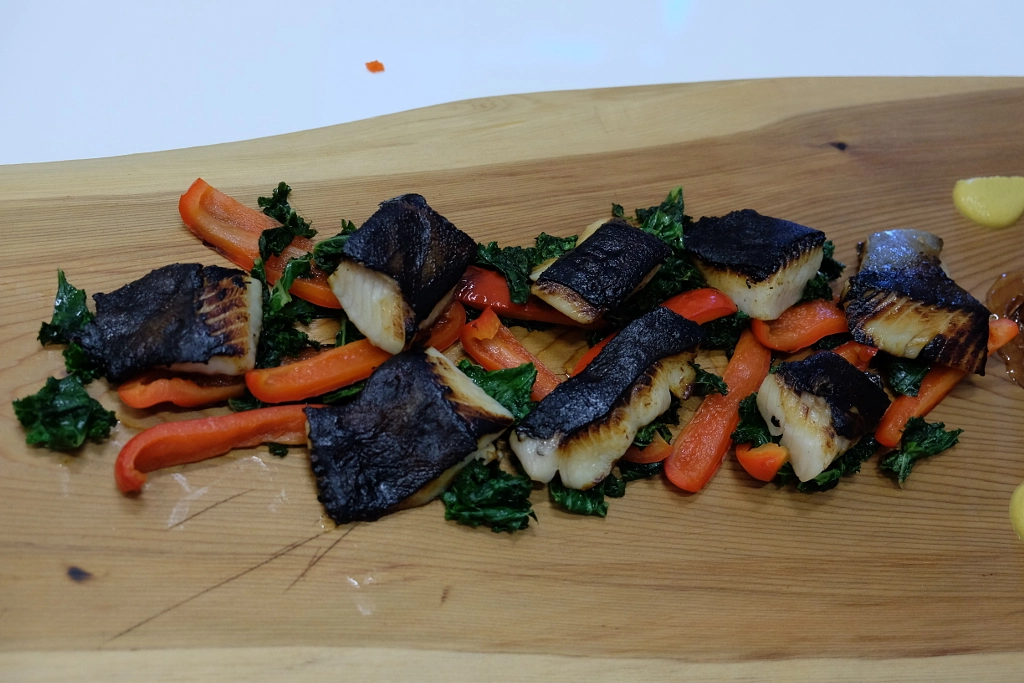
Our menu had some cooked food which included the Miso Marinated Black Cod on a bed of kale and bell peppers. This cod was absolutely delicious! Sweet and moist, with the skin charred to a beautiful crisp.


IMG by info9813 on 500px.com

Pork Belly on Mash

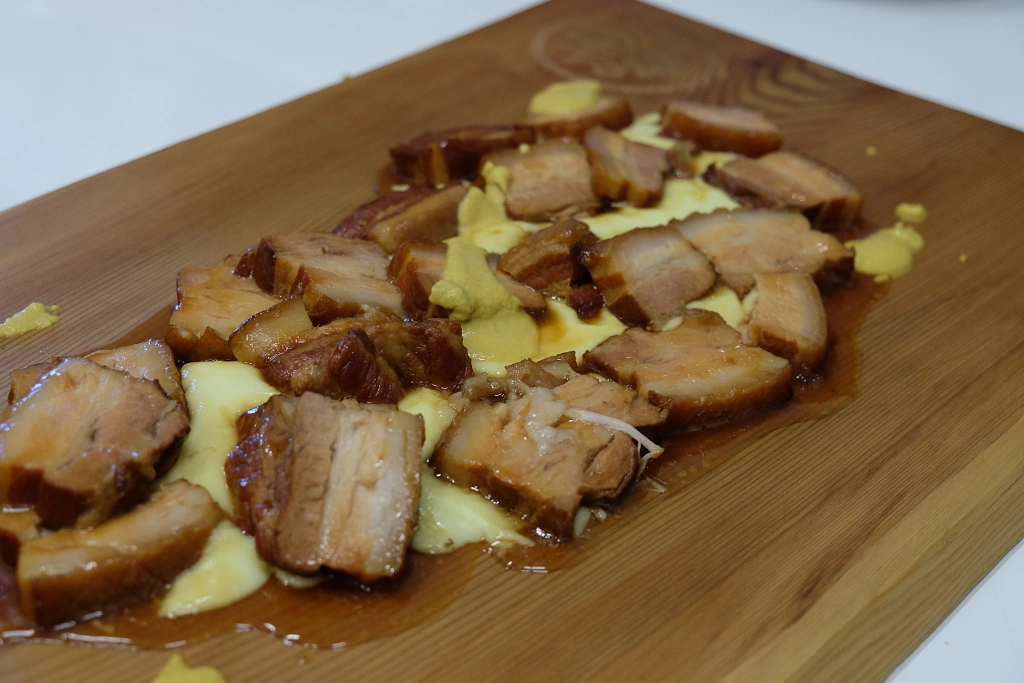
On the other side of the board was the Pork Belly on Mash served with a spicy Japanese mustard. The pork belly had the right amount of fat to meat proportion and sat on top of a creamy buttery mash. My favourite was the Japanese mustard. I think it was spicy because of wasabi! What a nice twist to the typical mustard.


IMG by info9813 on 500px.com

Nigiri

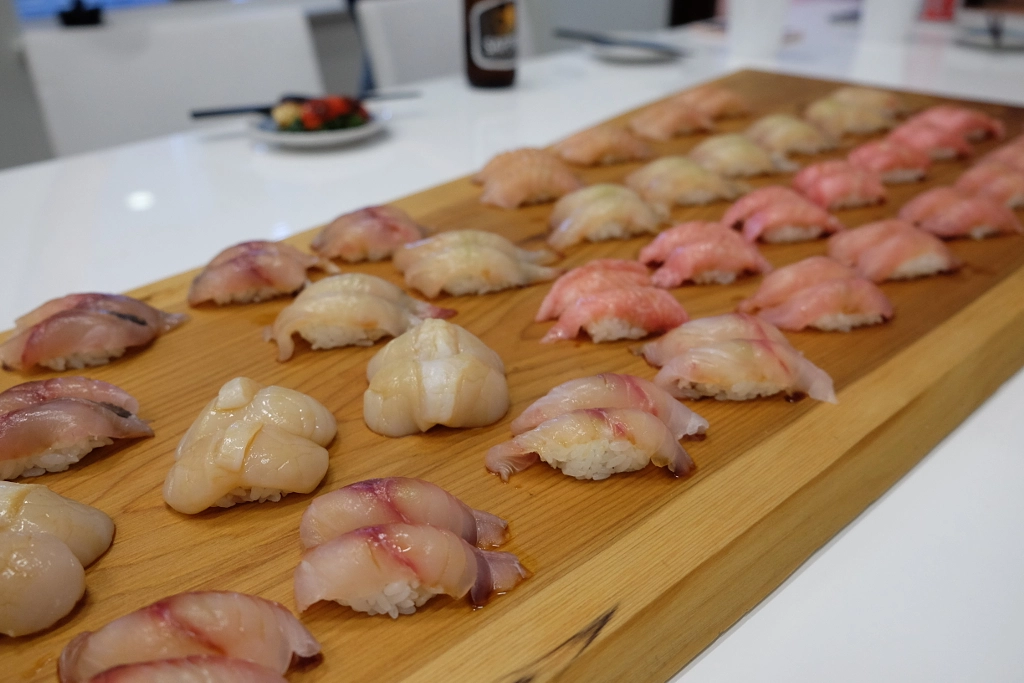
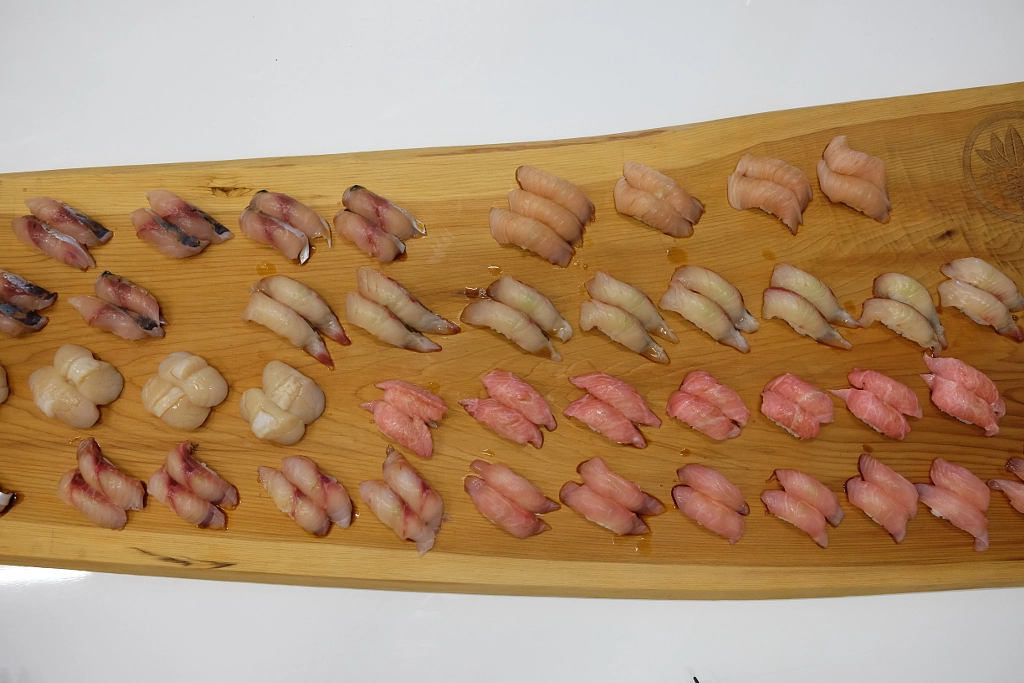
Next up was the Nigiri board! We had a large variety of nigiri to share including Golden Eye Snapper, Aji, Hotate Scallops from Hokkaido, Hamachi, Blue Fin O-Toro, and Albacore Tuna.


IMG by info9813 on 500px.com

My favourite had to be the O-Toro and Scallops. The fish was really fresh and the proportion of rice was just right. I also liked how he already brushed a light soy sauce on top of the fish before serving so you don’t need to dip it into soy sauce anymore. The amount of soy is already set so it’s just the right amount. Seriously such a luxurious nigiri meal!


IMG by info9813 on 500px.com

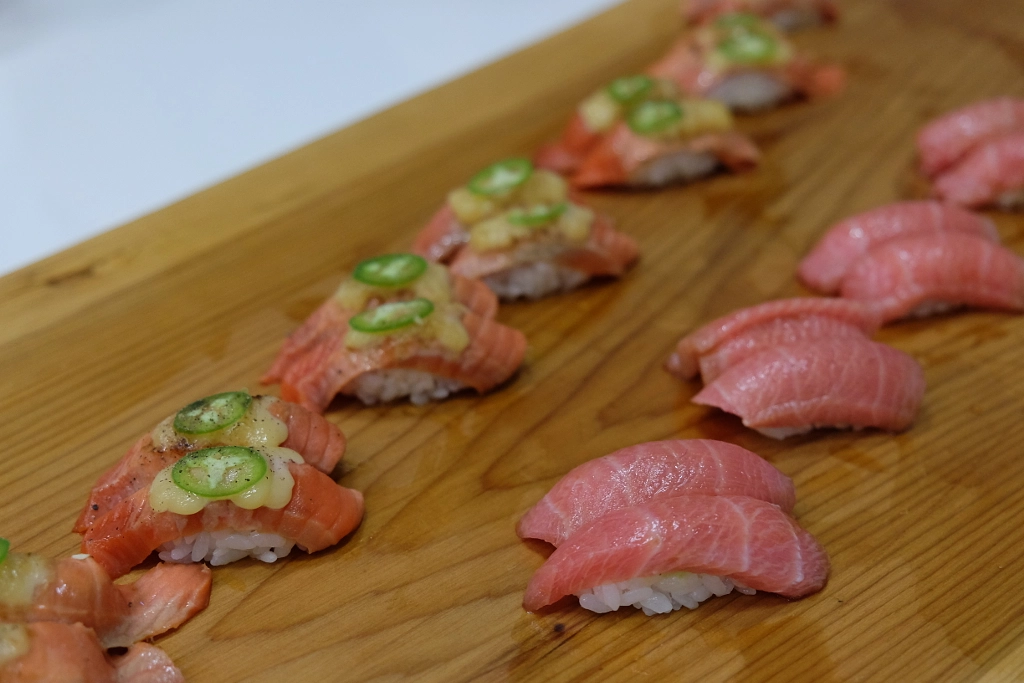
Aburi Sockeye Salmon and Blue Fin Belly

To finish, there was what I believe was the Blue Fin Chutoro which again was extremely sweet and melted in my mouth! We also had the Aburi Sockeye Salmon which wan’t close to what Miku was but rather was a very light sear on the salmon and topped with some mayo and jalapeno. Not as oily for sure.


IMG by info9813 on 500px.com

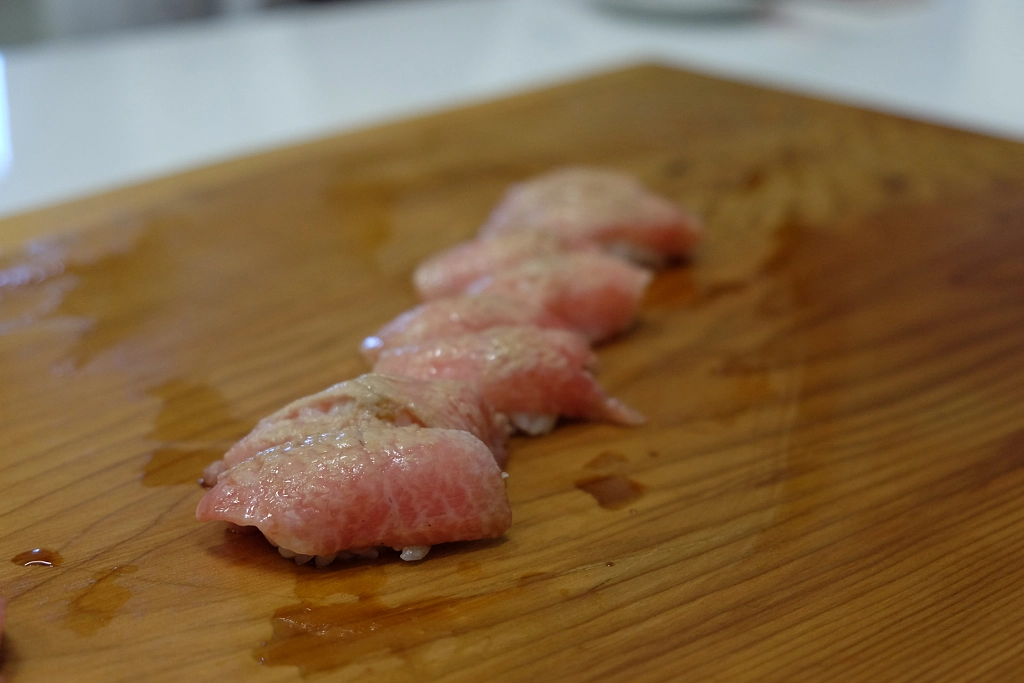
Aburi Blue Fin Belly

Last but not least, there was Aburi Blue Fin Belly which was seared with a sweet soy sauce. This melted in my mouth as well! So good!

Overall, we were all pleased with our meal with Soyfish. I believe he required around 30-45 mins of prep time ahead of time. During this time, you and your friends can linger around and watch him do his thing while enjoying some drinks. The dishes are served in sharing plates or long boards and he provides all the cutlery and plates required. The amount of food is just right for each person. The price is not cheap, but the ingredients he uses is also the top of the ranks. The chef was very professional during our meal but also was able to relax and have some fun with us near the end. He can be sociable and chat with your party if you want or he can just do his thing and leave you to your own party. I highly recommend Chef Takuya for your next dinner party if you want to splurge a little and you can contact him at http://soyfish.ca/ or DM him on Instagram.


Ichigo Ichie Ramen

IMG by ukijojo on 500px.com

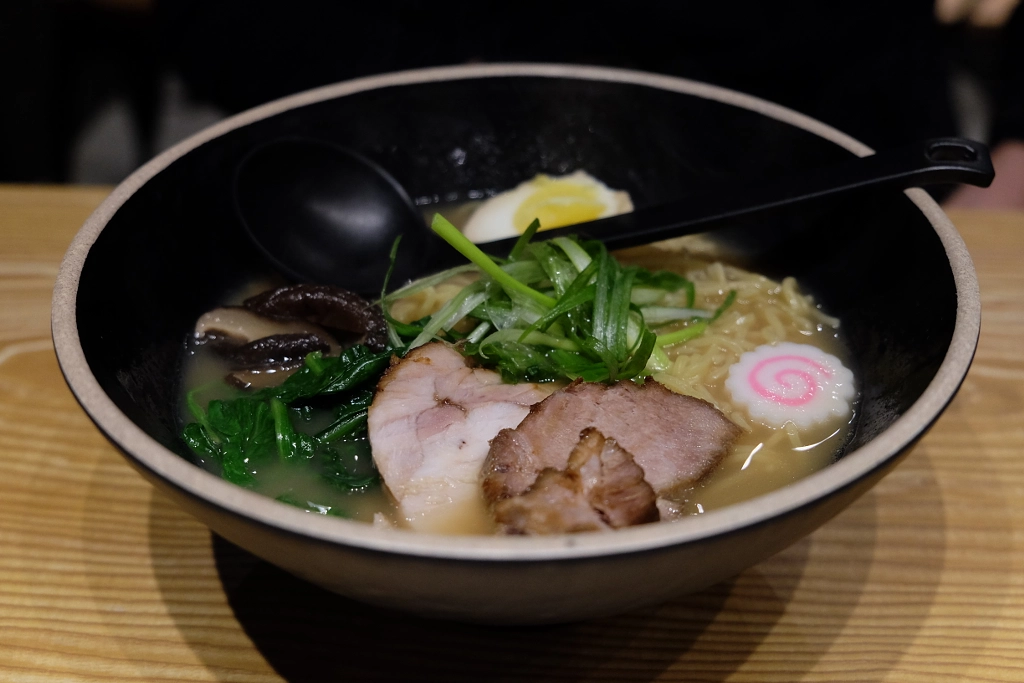
Shoyu Ramen

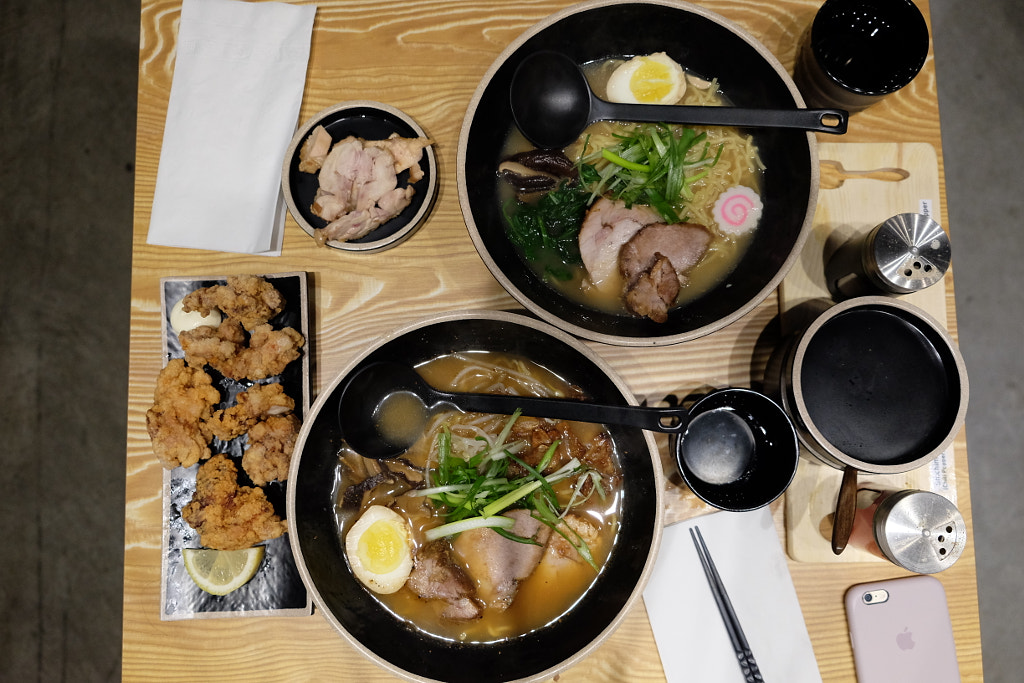
The newest ramen spot in Richmond is called Ichigo Ichie Ramen and is located across Ironwood Mall near BMO. The restaurant doesn’t seem to be run by Japanese, so I wouldn’t expect authentic Japanese ramens. There are a variety of broths available and S chose the Shoyu. It featured soy sauce broth, green onion, seasoned egg, naruto maki, spinach, and shiitake mushrooms. The noodles here are medium thickness which I wasn’t a huge fan of. The broth itself was too salty and the consistency was very thin. We both found that it lacked flavour as it was more of one dimension salty flavour. The egg was also a hard boiled egg, so I wasn’t too happy with that.


IMG by ukijojo on 500px.com

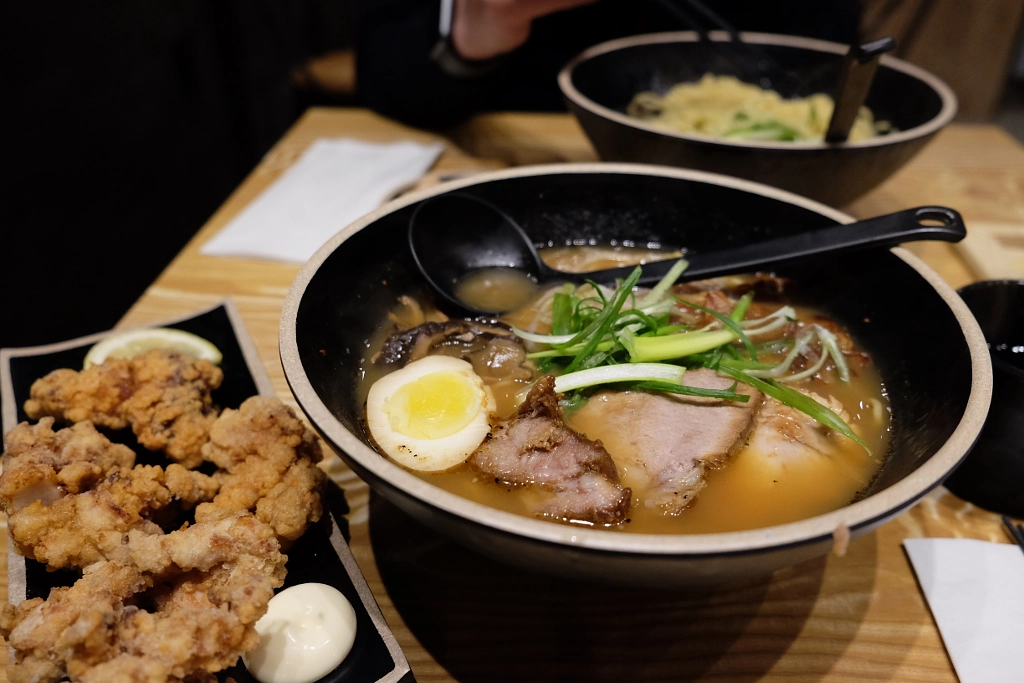
Mayu

For myself, I got the Mayu which is their spicy option. It featured garlic black oil, green onion, seasoned egg, bean sprouts, deep-fried garlic, and shiitake. Again, the broth was very thin in consistency and the broth lacked flavour. It was just very spicy, and tasted sort of like the instant ramen broths. I mean, the ramen, especially the noodles itself, weren’t bad, but we found it to be very average and too salty for our liking.

We also ordered a side of Karaage and these were excellent. The batter was crispy and the chicken remained very moist and juicy. I would come back for the fried chicken!


IMG by ukijojo on 500px.com

Overall, we found Ichigo Ichie Ramen to be quite average. It’s a nice addition to people who work in the Steveston area given the limited options available, but I wouldn’t make a trip out here just for their ramen. If they can work on their broths, this could become a pretty good spot!

Pros:
– Chicken Karaage was really juicy
– Prices are quite reasonable

Cons:
– Broths could use improvement

Price Range: $10-15

1: Terrible 2: Poor 3: Average 4: Good 5: Excellent

Food: 3 Service: 3 Ambiance: 3 Parking: 3 Overall: 3


Ichigo Ichie Ramen Menu, Reviews, Photos, Location and Info - Zomato

Yui Japanese Restaurant

IMG by ukijojo on 500px.com

Yui Oshi Plate

Took me a while to visit Yui Japanese Restaurant, but finally I came here with G for lunch while I was in downtown. The restaurant is quite hidden as it’s inside an office building next to the Trump Tower. Even after entering the office building, it’s not super obvious where the restaurant is, but head straight in and look to your right. Inside, the restaurant is extremely small, so we were lucky to even get a spot during lunch time.
The chefs used to work at Miku and Minami, so at Yui, they are known for the salmon aburi oshi that tastes similar to Miku/ Minami but for a fraction of the price.
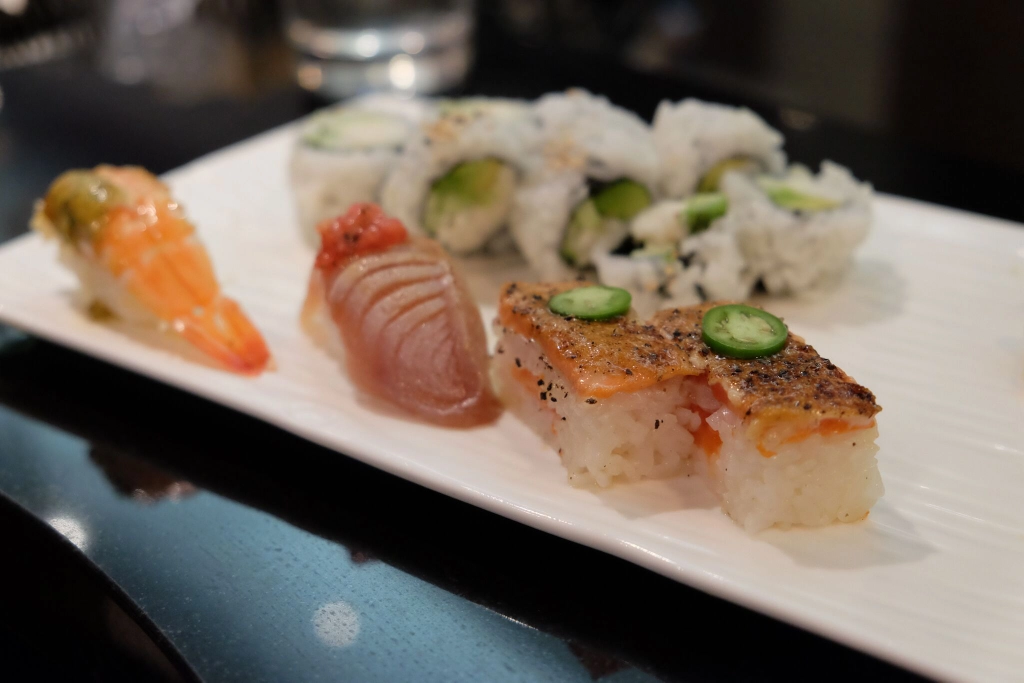
During lunch, there are quite a few lunch only plates which are pretty affordable. G chose to get the Yui Oshi Plate, which is lunch only. For $11, you get two pieces of daily chef choice aburi nigiri, two pieces of salmon oshi, and a daily fresh roll. For the two aburi nigiri that the chef chooses, it was a ebi aburi oshi with pesto sauce and a tuna aburi nigiri with pickled sweet onions. As for the daily fresh roll, it was sadly just a california roll. Sounds like it’s the california roll most of the time from talking to other friends who have ordered this. Still, a good deal given you get four pieces of aburi with this lunch plate.


IMG by ukijojo on 500px.com

Salmon Aburi Oshi

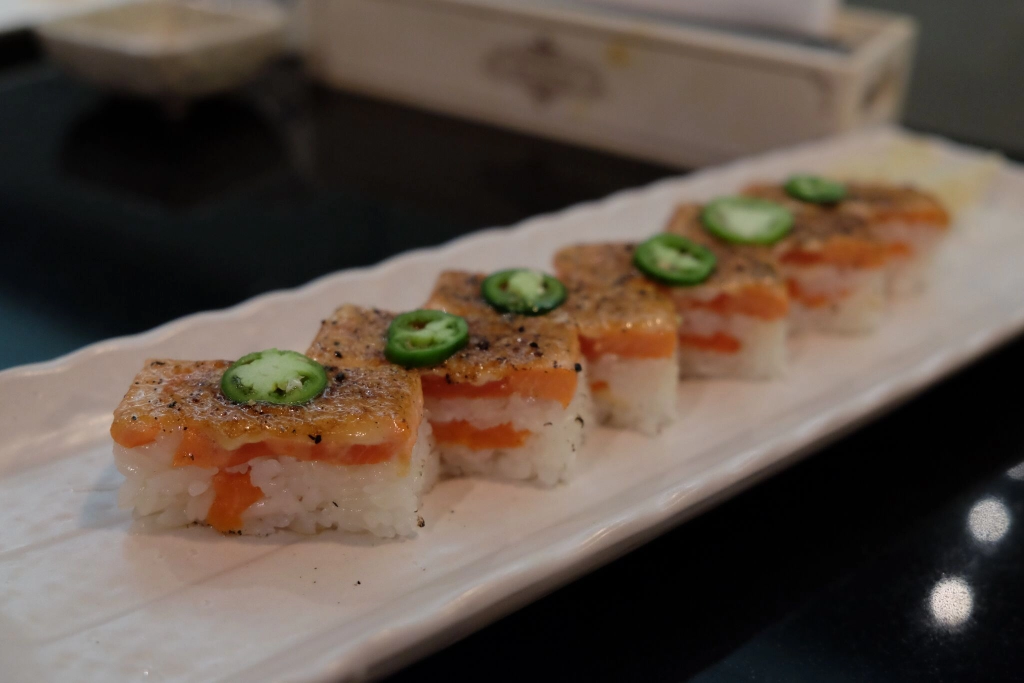
I of course had to try the Salmon Aburi Oshi so we decided to share a full plate of this which goes for $11. This seriously tastes and looked almost the same as the ones at Miku/ Minami. The only difference I found was that they put a lot more pepper on this. For this price, I would definitely come back here if I’m looking for a quick lunch. But on special occasions, I would still pay the higher price for the real thing at Miku/ Minami.


IMG by ukijojo on 500px.com

Traditional Plate

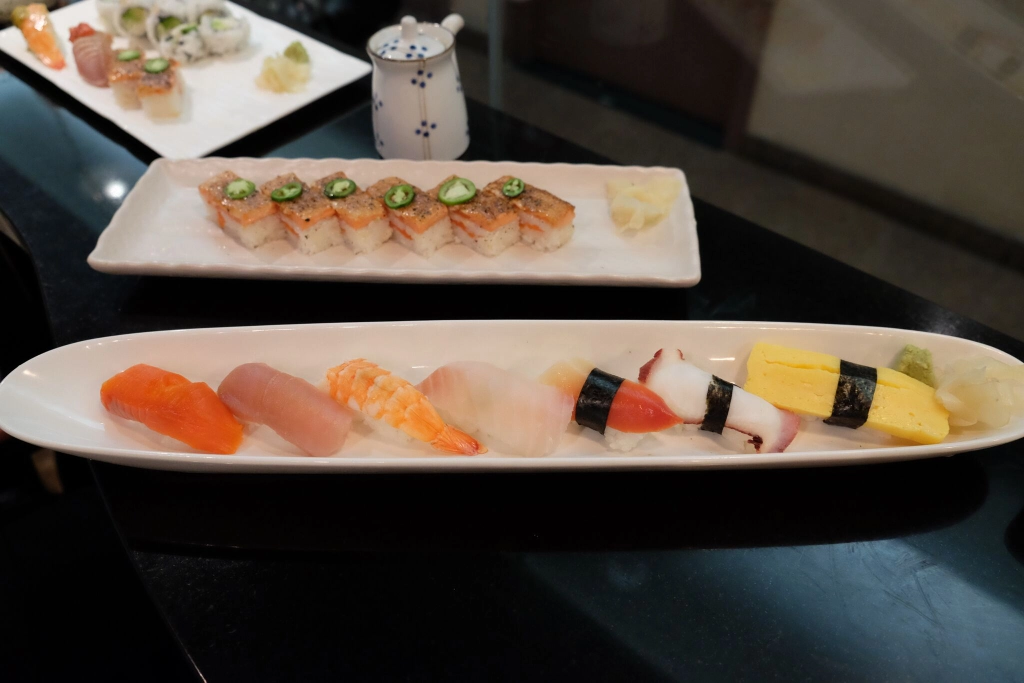
For myself, I got the Traditional Plate, which is also on the lunch menu only. For $10.50, you get the daily chef’s choice of seven kinds of traditional style nigiri. To be honest, the selection is the cheaper selection of nigiris on the menu, but they were all very well constructed. The fish tasted fresh and for this price, I wouldn’t mind getting this again for lunch.


IMG by ukijojo on 500px.com

Overall, I was quite impressed with the sushi at Yui. Don’t expect authentic Japanese food here since the chefs are not Japanese, but you can find some great aburi sushi and nigiris here for a reasonable price. The aburi oshi are especially a must try as they are very comparable to Miku/ Minami but for a cheaper price. The only downside is there isn’t much service during lunch time since they are so busy and the seating is also a bit cramped. You can also do take out here if you don’t want to wait for a seat!


Pros:
– Salmon aburi oshi is very comparable to Miku/ Minami
– Prices are reasonable for the quality

Cons:
– Seating is quite cramped

Price Range: $15-20

1: Terrible 2: Poor 3: Average 4: Good 5: Excellent

Food: 4 Service: 3 Ambiance: 2.5 Parking: 3 Overall: 4

Yui Japanese Bistro Menu, Reviews, Photos, Location and Info - Zomato

Yuji’s from Japan

o by info9813 on 500px.com

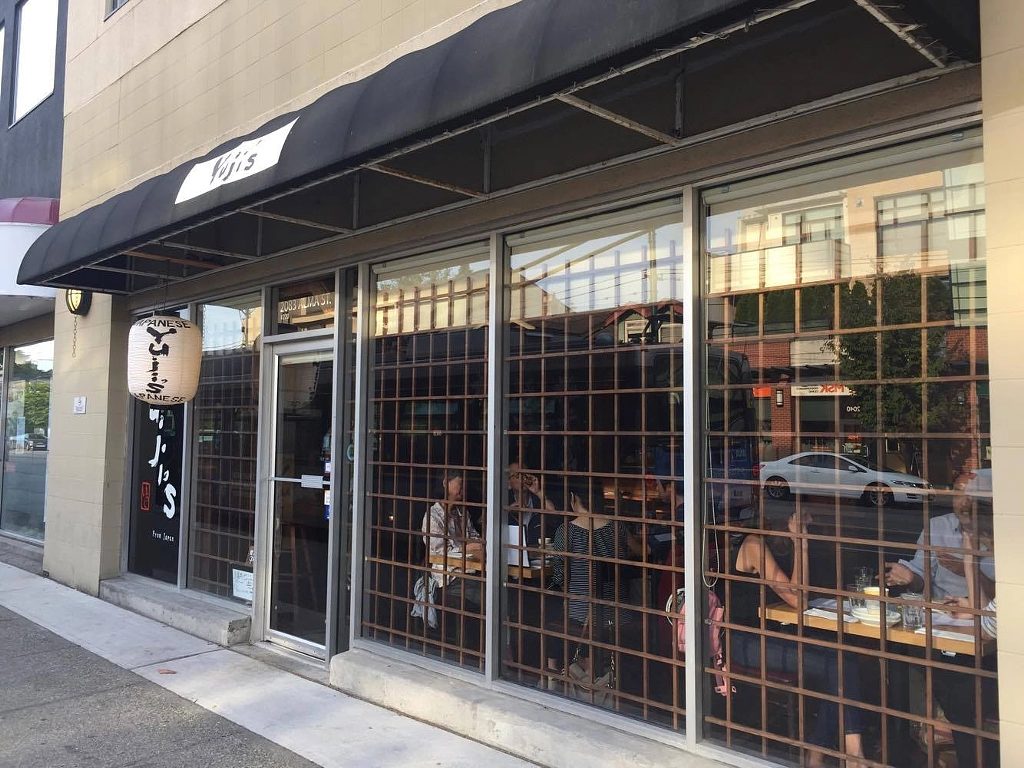
Funny enough, I had visited Yuji’s Japanese Tapas back in 2011 but the restaurant was closed after 7 years of operations because chef Yuji wanted to open a restaurant in Indonesia. Fast forward a year later, chef Yuji returned to Vancouver to open Yuji’s from Japan. The store is on West 4th and Alma and is quite small, fitting roughly 20-25 diners. You will find many Japanese diners here, which is always a good sign!


IMG by info9813 on 500px.com

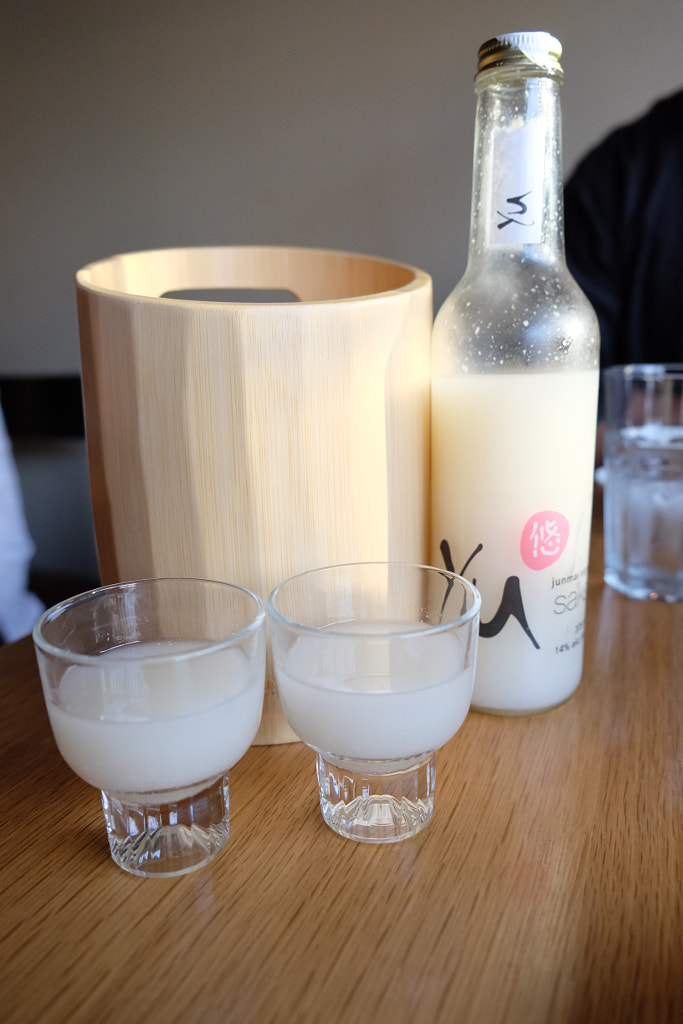
Yu Junmai Sake

To start, we shared the Yu Junmai Sake. We had never heard of Yu but apparently the sake is brewed in Richmond! Had to give it a try and support local and it didn’t disappoint. Not a sake expert, but this was light and I enjoyed it.


IMG by info9813 on 500px.com

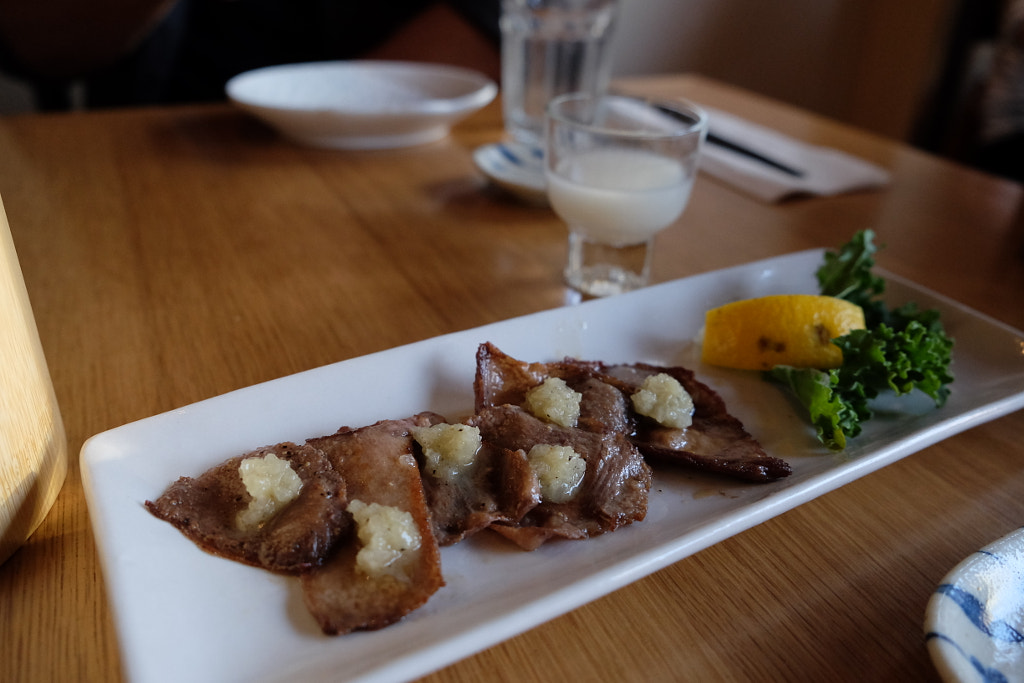
Beef Tongue

Moving on, we shared the Beef Tongue which was absolutely delicious! The tongue was thinly sliced and topped with this umami dressing which had just the right about of salt and soy flavour. The texture was perfect with a nice chew. My only complaint was the plate was too small!


IMG by info9813 on 500px.com

Shio-koji Marinated Grilled Chicken

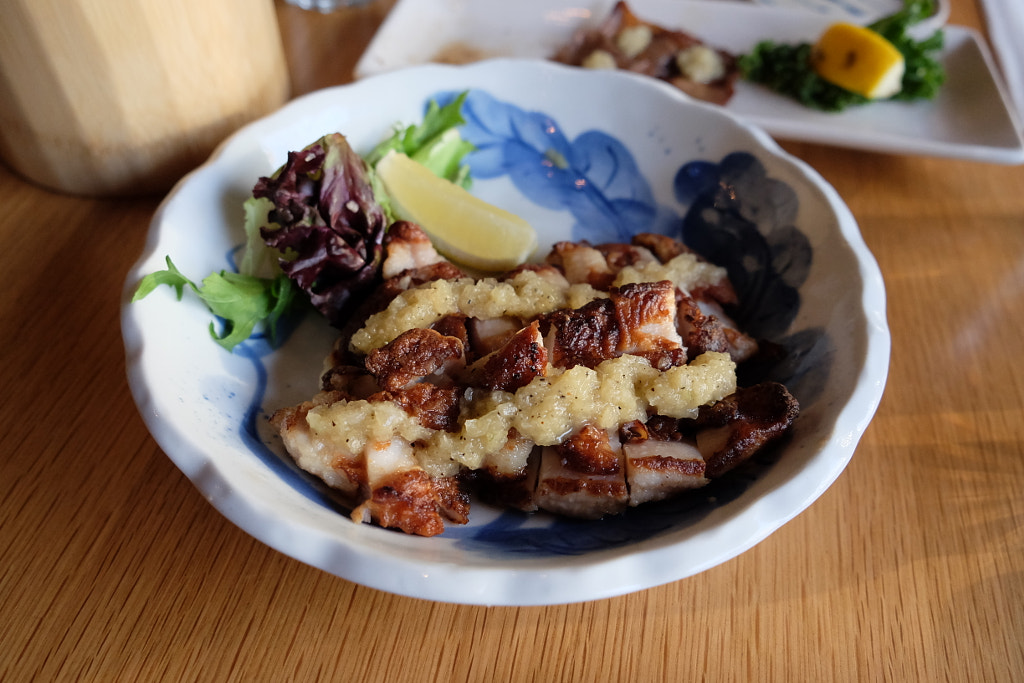
Another appetizer we shared was the Shio-koji Marinated Grilled Chicken. There was fried chicken karaage on the menu, but I suggested we try the grilled chicken instead. Seriously, this was some of the most moist chicken I’ve had. The outside had a nice char but the center was so juicy! Again, it was topped with the same dressing as the beef tongue and was absolutely delicious. Such a simple dish, but I highly recommend trying this!


IMG by info9813 on 500px.com

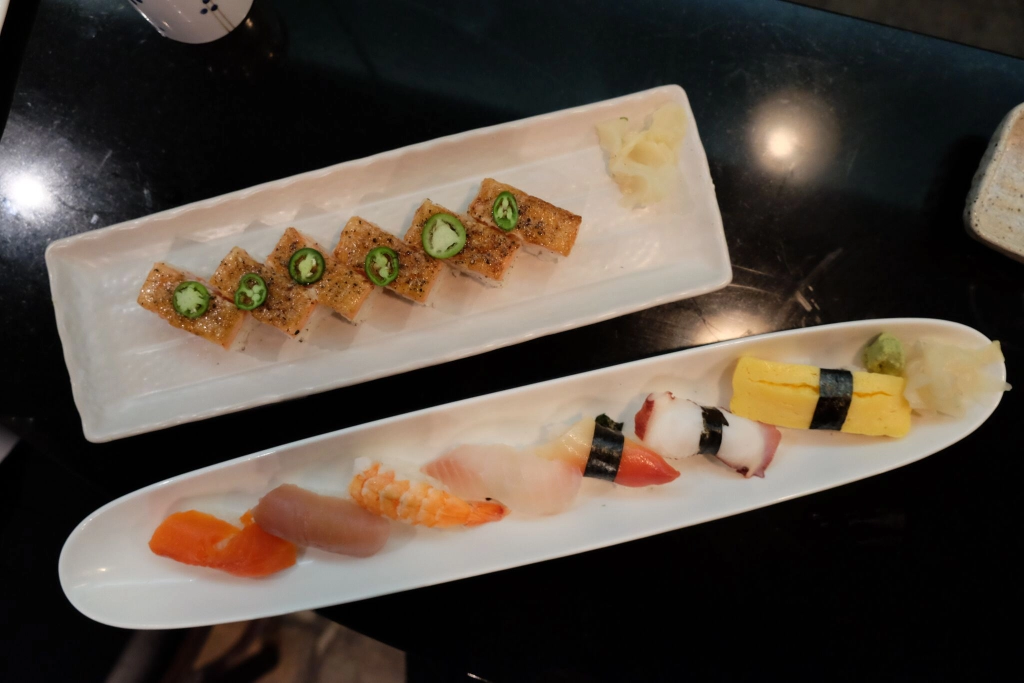
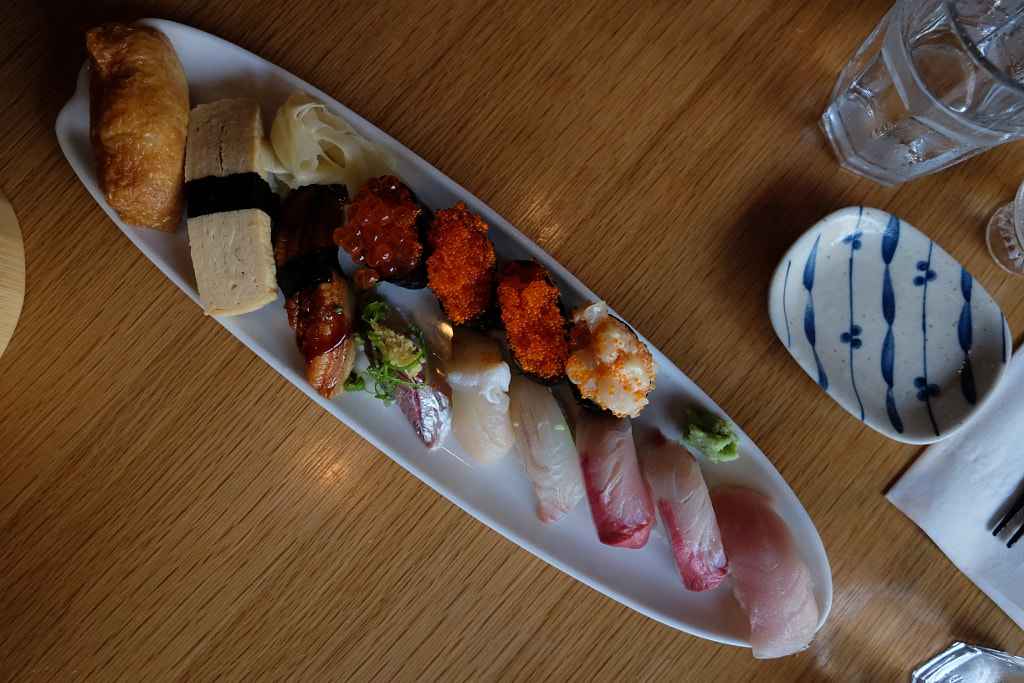
Last but not least, we shared a variety of nigiris. The nigiris here are not cheap, but they are extremely fresh and constructed very well. Definitely worth the price! Perfect for those who enjoy authentic Japanese sushi. The restaurant is also famous for their omakases which are reasonably priced. I can’t wait to be back to try those out!

Pros:
– Fresh seafood and well constructed nigiris
– Cooked appetizer dishes are also very well executed

Cons:
– Seating is not the comfiest as the space is quite small

Price Range: $25-40

1: Terrible 2: Poor 3: Average 4: Good 5: Excellent

Food: 4.5 Service: 3.5 Ambiance: 2.5 Parking: 3 Overall: 4

Yuji's from Japan Menu, Reviews, Photos, Location and Info - Zomato

Yuzu Shokutei

IMG by info9813 on 500px.com

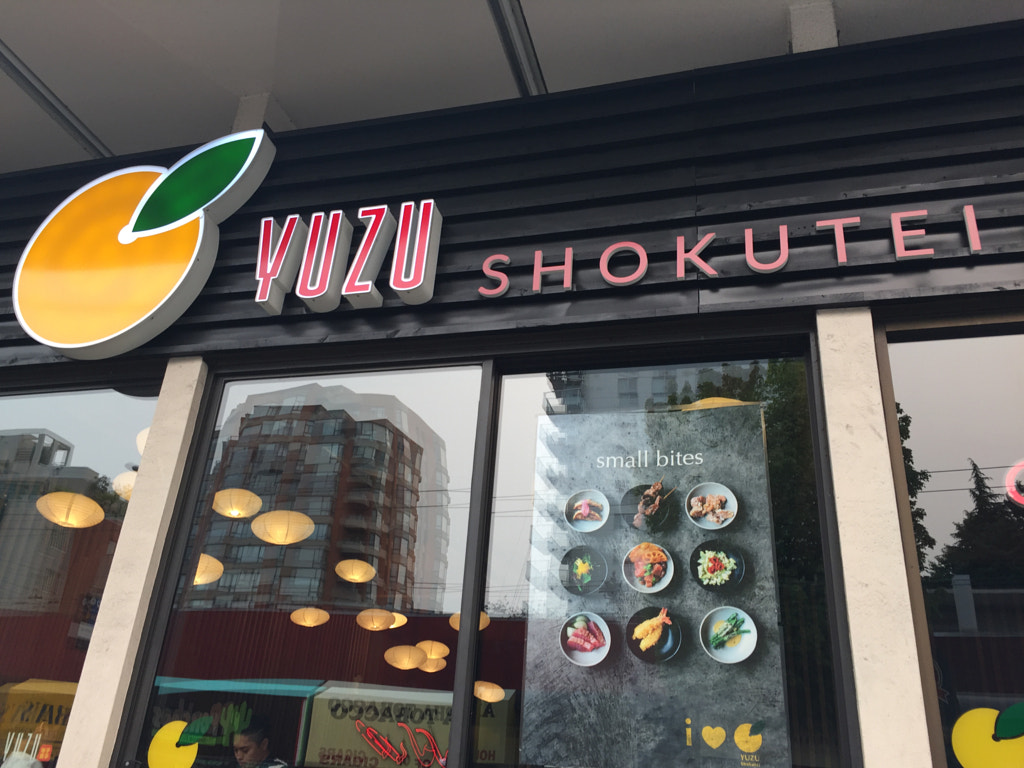
Yuzu Shokutei opened up earlier this year on Denman Street nearby Kingyo. The branding of the restaurant really caught my attention since its bright and fun. Plus, the pictures on their Instagram page really looked good! S and I decided to give it a try earlier in the summer when they were having a promo going on (yes – this post is from a while ago!).


IMG by info9813 on 500px.com

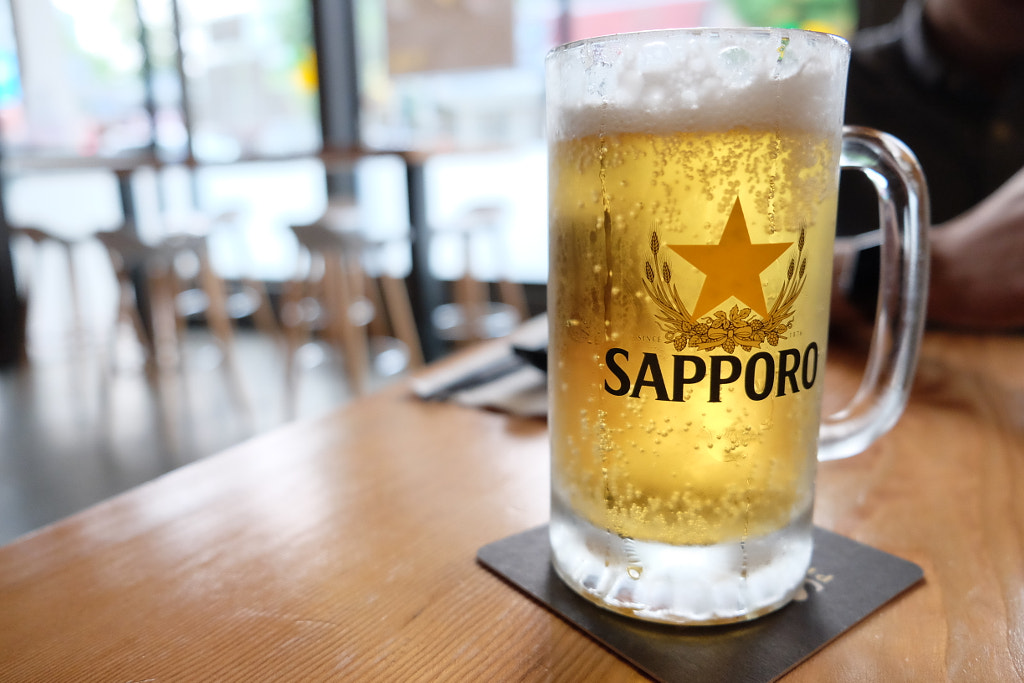
The deal was that if we liked their Instagram page, then we could get an appetizer and a pint of beer for $5. We got a pint of Sapporo which was refreshing after a long day at work!


IMG by info9813 on 500px.com

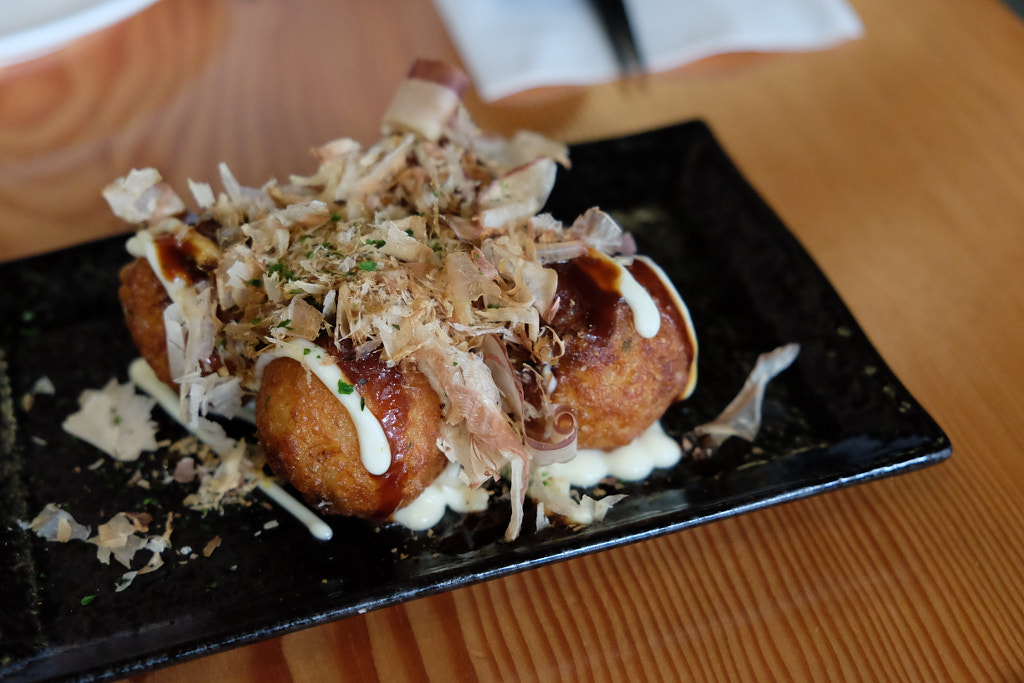
Takoyaki

For the appetizer, we got the Takoyaki (octopus balls) which were topped with mayo, bonito flakes and nori powder. I really enjoyed this as the outside batter was crispy with the center piping hot and soft. They had a large piece of octopus in each ball.


IMG by info9813 on 500px.com

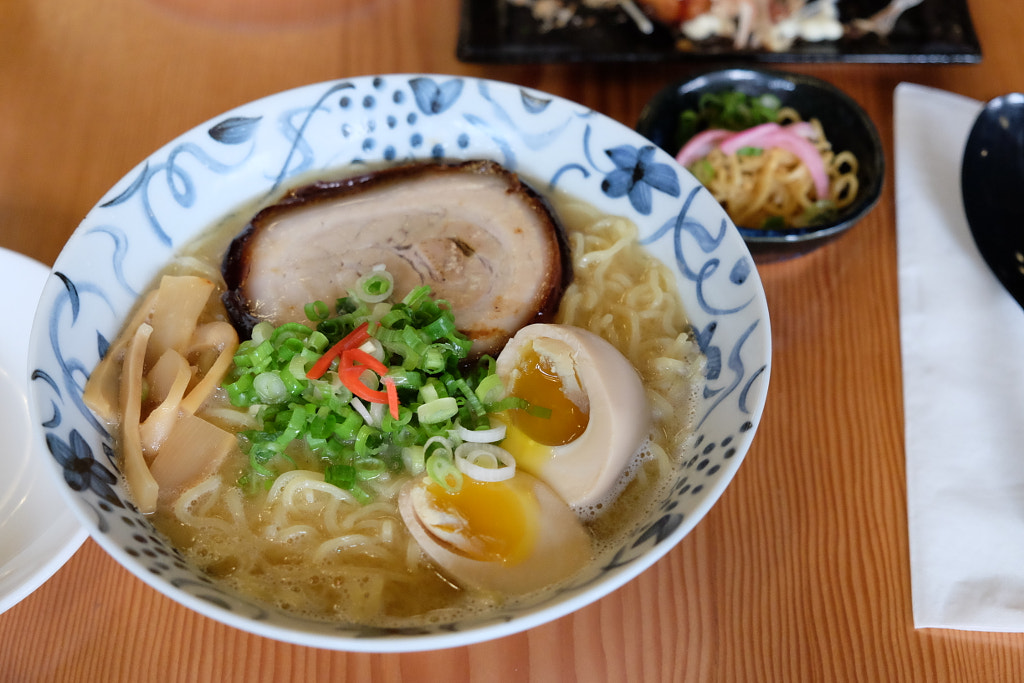
Paiten Sea Salt Ramen

Both of us decided to try their ramen. Keep in mind that the restaurant actually has a variety of rice dishes as well, as they are more izakaya style, then a full on ramen restaurant. S got the Paiten Sea Salt Ramen which featured medium thickness noodles, slow cooked chicken broth, shio seasoning, aji-tamago, pork chashu, bamboo shoots, and green onions. The bowl had more than enough noodles but we both prefer the thin noodles at Danbo, so personally were not a huge fan. The broth itself was light in flavour and wasn’t overly salty, but we found it to be rather thick. As for the chashu, it was very interesting because the outer edges were very dark but not crispy. We thought it was slightly too fatty on the outer edge. I think if you like medium consistency noodles, then you will probably enjoy this.


IMG by info9813 on 500px.com

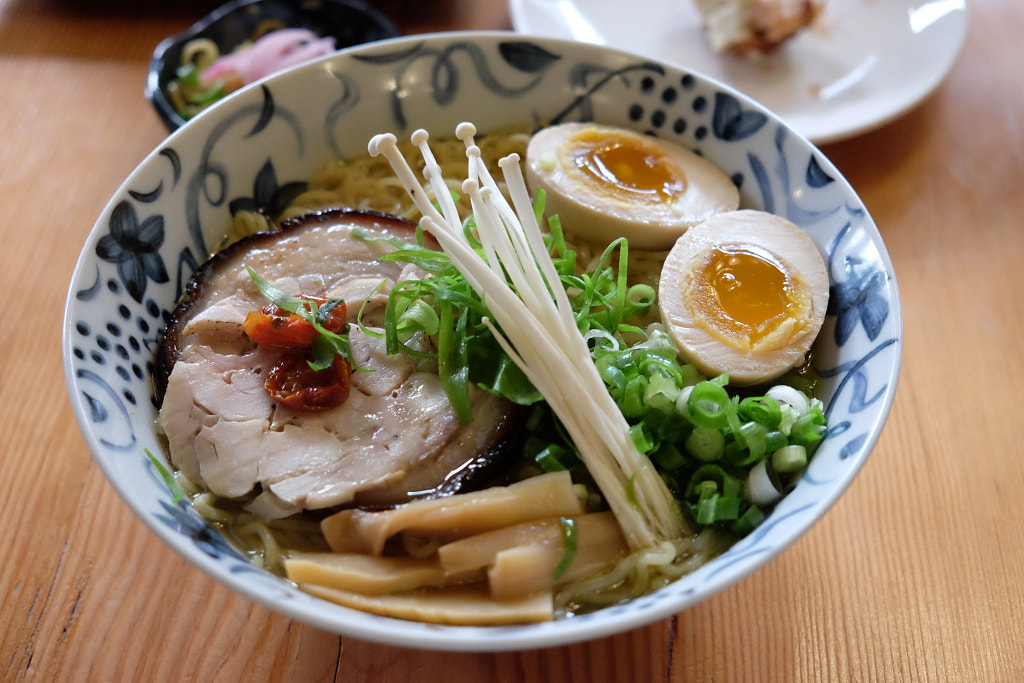
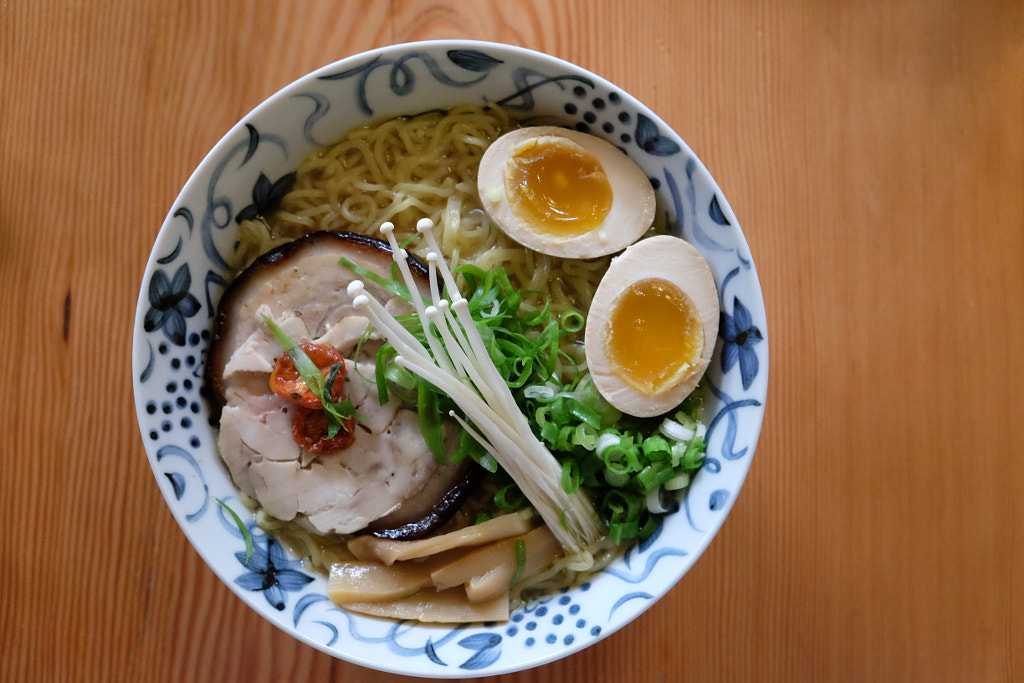
Chicken Truffle Sea Salt Ramen

For myself, I had to try the famous Chicken Truffle Sea Salt Ramen. This features their signature tori broth, truffle oil, shio seasoning, pork and chicken chashu, aji-tamago, bamboo shoots, green onion, enoki, and wilted gem tomatoes. There are so many toppings on this that I found it a little overwhelming. But the first thing I noticed was the smell of truffle! I could smell it as the server brought it over. To my disappointment, I found that the truffle flavour is not very apparent in the broth itself. You can definitely smell it, but the taste is not as strong. The broth is basically the same as the Paitan Sea Salt, where it was too thick for my liking. Noodles were also medium consistency, so perhaps the reason I wasn’t a huge fan of it. The tamago yolk was spilling out in the center but the edges were slightly overcooked, so could be worked on.


IMG by info9813 on 500px.com

Overall, we personally found Yuzu Shokutei’s ramens to be quite average based on the ones we tried as we personally aren’t a huge fan of medium consistency noodles and the thick broth. However, I have to say the ramens are quite interesting and modernized. The portions are also pretty good for $12-14 in downtown. But with all the ramen joints around this area, it may be difficult for Yuzu Shokutei to compete, but hopefully their other izakaya items can draw the crowds!


Pros:
– Truffle ramen is really interesting
– Friendly service

Cons:
– Personally didn’t enjoy the medium thickness of noodles and thick broth

Price Range: $15-20

1: Terrible 2: Poor 3: Average 4: Good 5: Excellent

Food: 3 Service: 4 Ambiance: 3 Parking: 3 Overall: 3

Yuzu Shokutei Menu, Reviews, Photos, Location and Info - Zomato

[Japan Series] Day 16: Hiroshima’s Peace Memorial Park 平和記念公園, Okonomimura お好み村, Hiroshima Castle 広島城

DSCF by SophiaHo on 500px.com

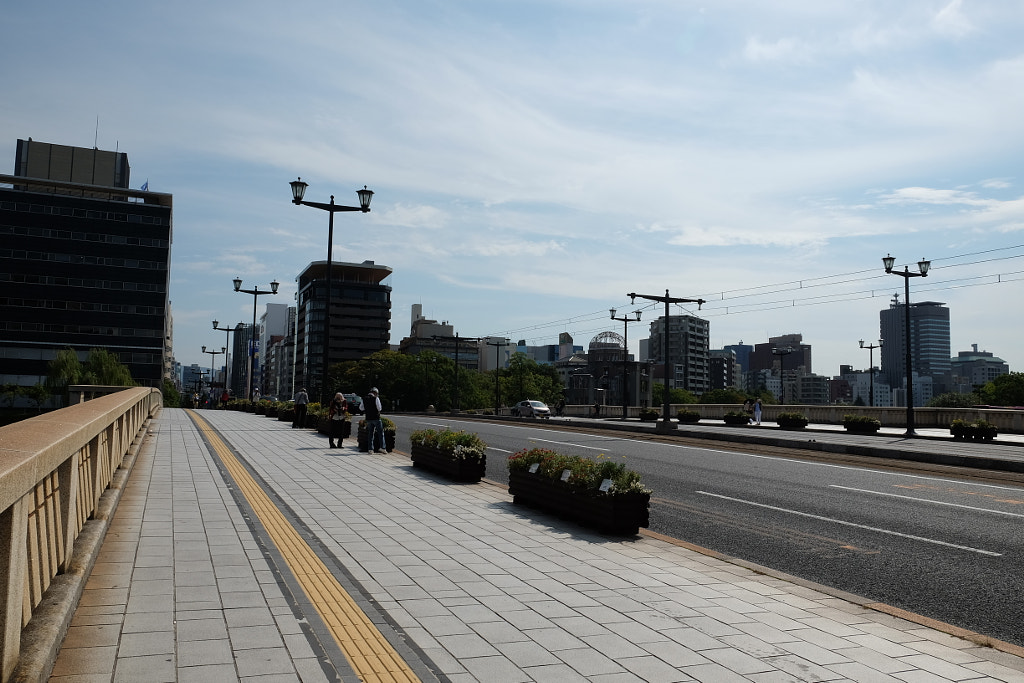
The next morning, we woke up to the beautiful sunshine in Hiroshima. We had a quick breakfast at 7-Eleven near our Airbnb, and decided to take a short stroll towards the Peace Memorial Park. We had to cross this bridge from our Airbnb to get to the park.


DSCF by SophiaHo on 500px.com

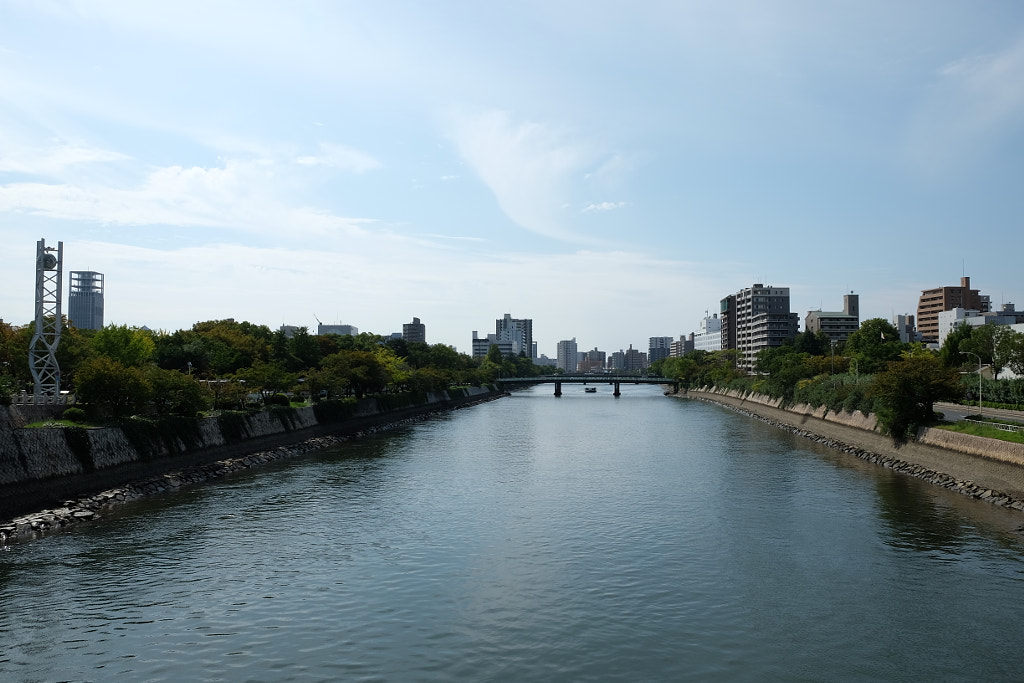
What a beautiful view from the bridge! This the Motoyasu River, which runs next to the A-Bome Dome.


DSCF by SophiaHo on 500px.com

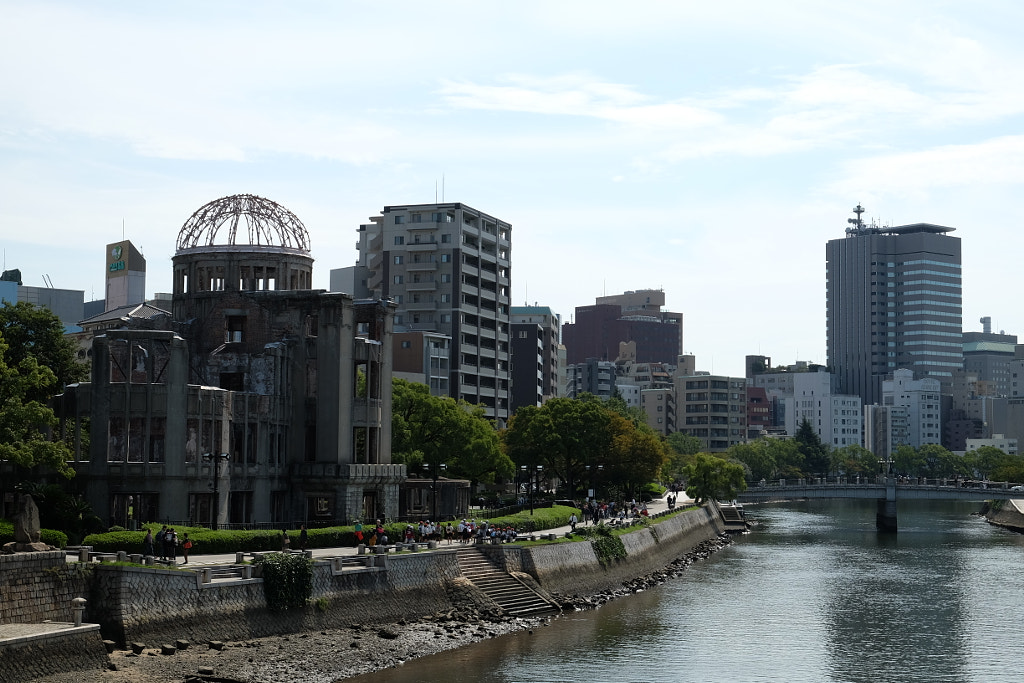
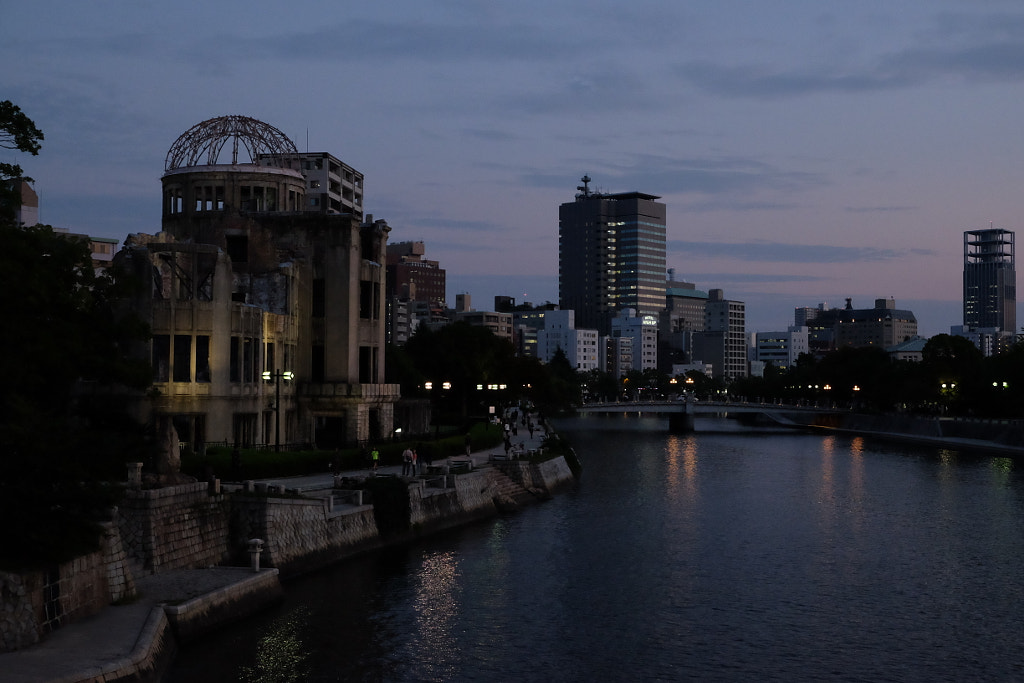
Walking along the bridge, you will see the A-Bomb Dome.


DSCF by SophiaHo on 500px.com

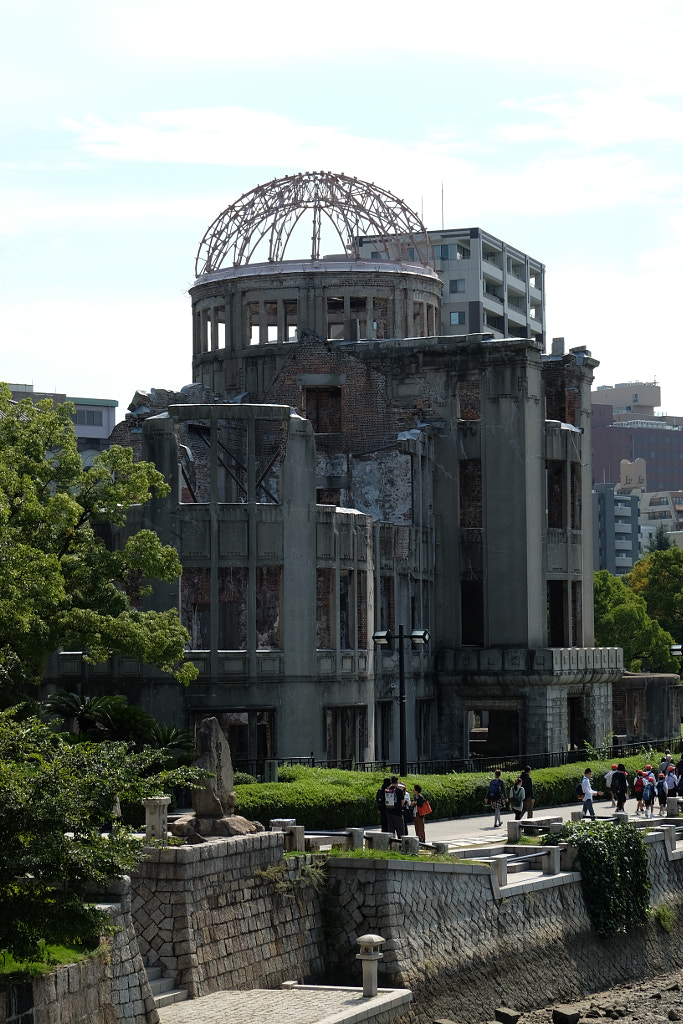
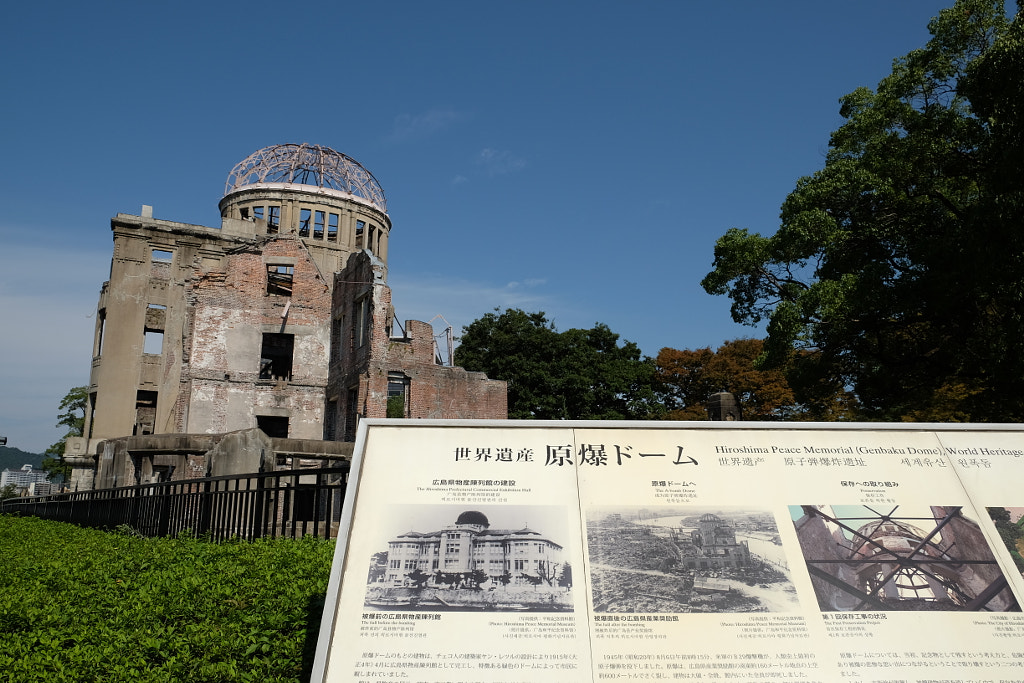
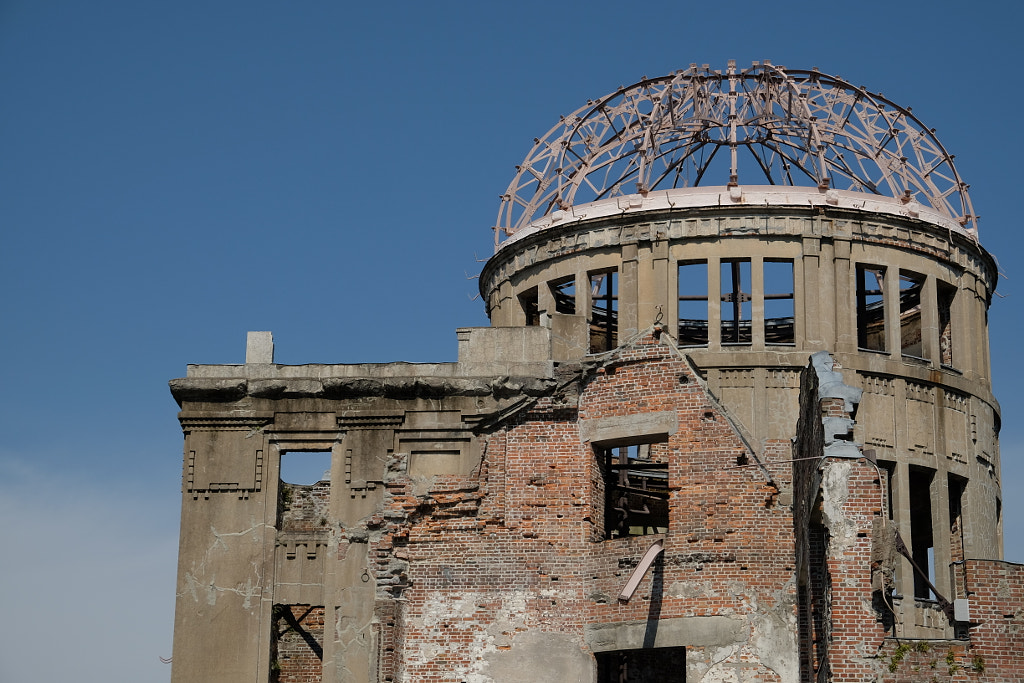
The A-Bomb Dome is what’s left of the Prefectural Industrial Promotion Hall. This building was used to promote Hiroshima’s industries. This is one of the few buildings that is standing today after the bomb. It is now a UNESCO World Heritage Site and is a reminder of the past.


DSCF by SophiaHo on 500px.com

You will find various information boards about the history but what we found the most interesting were the survivors you would find around the dome sharing pictures and stories with tourists. They provide many photographs of what the city looked like before and after, and although we could not understand the stories in Japanese, the pictures provided us with a vivid image of the past.


DSCF by SophiaHo on 500px.com

The remains of the past can be seen by locals and tourists alike as they drive along the bridge. To be honest, I find the remains to be rather saddening even though it is a good reminder of the past and what should never be repeated. I can’t imagine and wonder what it is like being a local and seeing this everyday going to work.


DSCF by SophiaHo on 500px.com

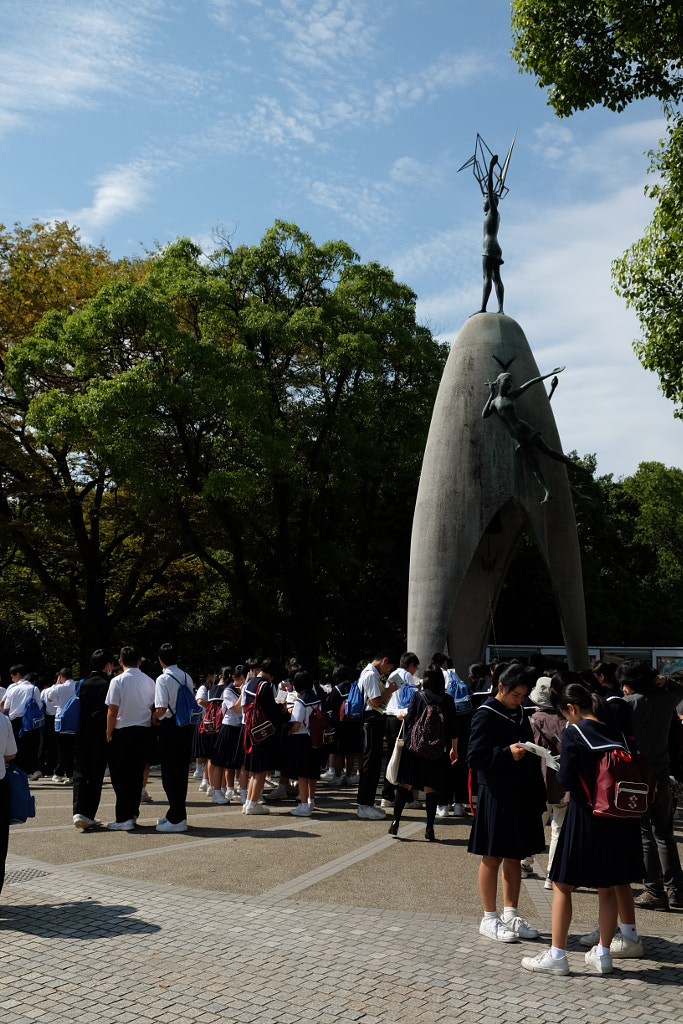
Further past the dome, you will find the Children’s Peace Monument. This monument is to commemorate Sadako Sasaki and thousands of child victims of the atomic bombing in Hiroshima. Sadako was a young girl who died of leukemia from the radiation and is well known as the girl who wanted to fold a thousand cranes.


DSCF by SophiaHo on 500px.com

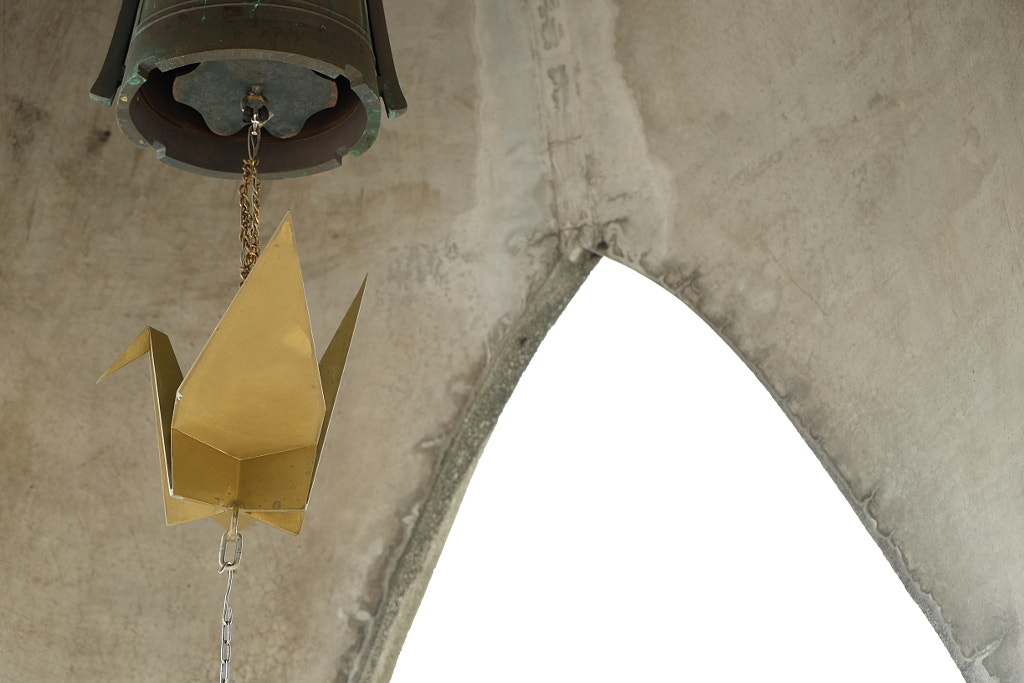
Under the monument, there is a bronze crane that acts as a wind chime.


DSCF by SophiaHo on 500px.com

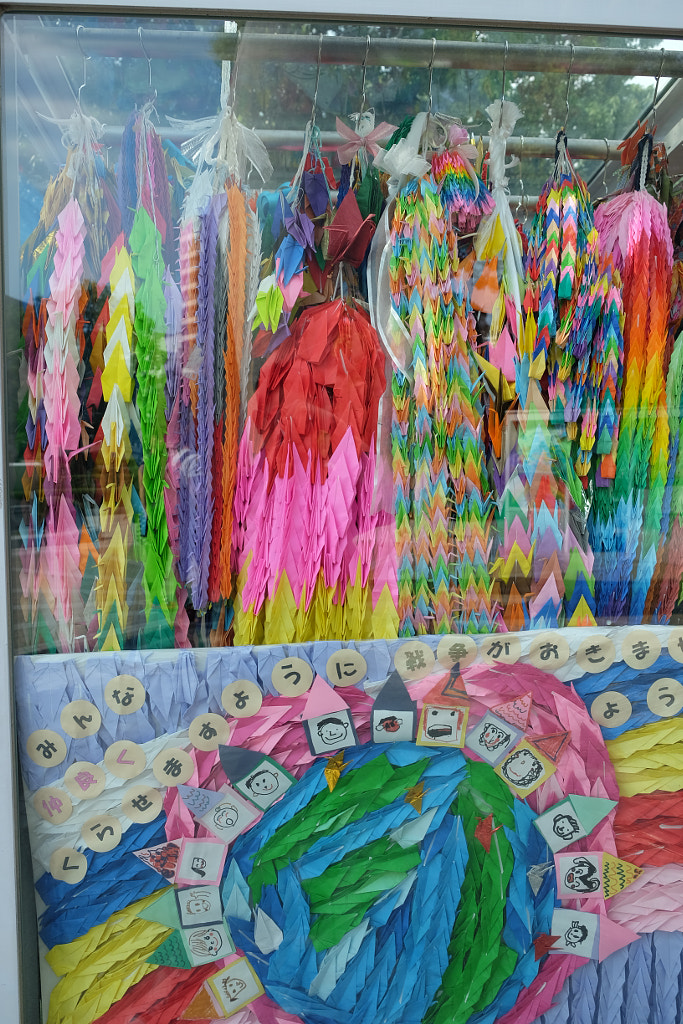
Outside the monument, there are thousands of paper cranes. Sadako’s one wish was to have a world without nuclear weapons. You can learn more about Sadako’s story inside the museum.


DSCF by SophiaHo on 500px.com

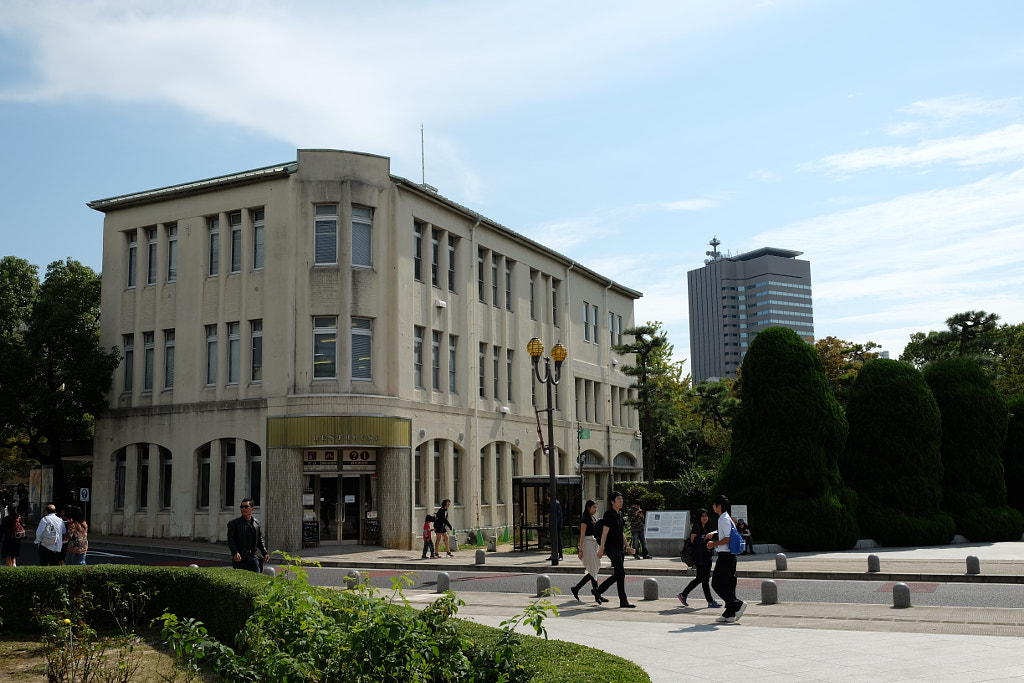
Another bombed building near the park is the Rest House. It was originally a kimono shop, but now acts as a rest house and information center. There was actually a man who survived the bomb in the basement of the building and is the closest survivor to the hypocenter. You can actually make an advanced booking to visit the basement to see the preserved remains.


DSCF by SophiaHo on 500px.com

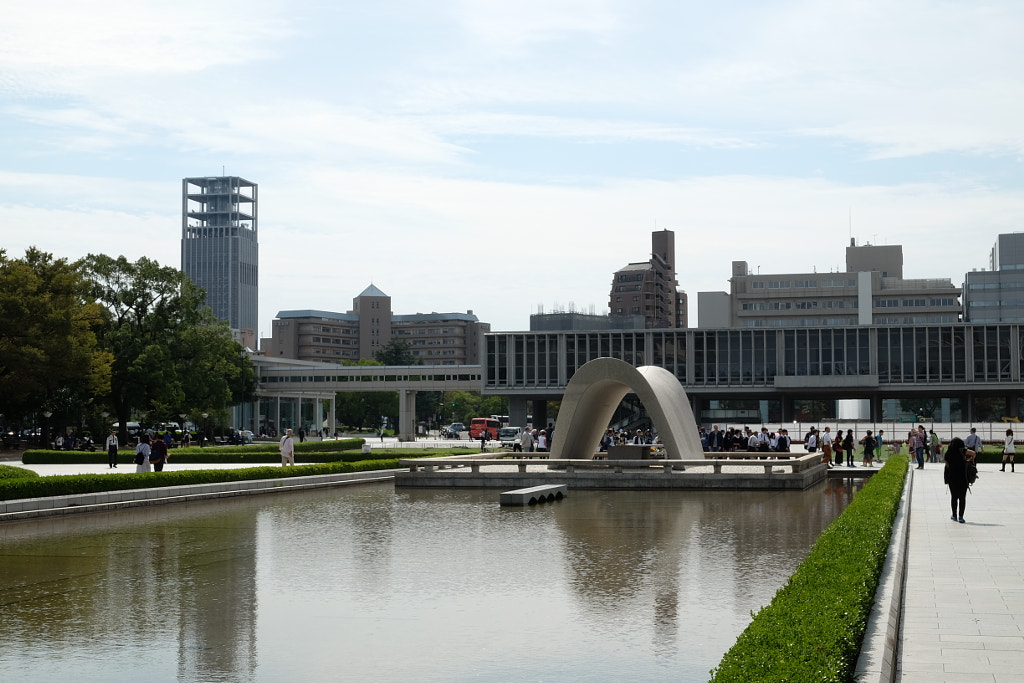
Moving along, you will find the Hiroshima Pond of Peace. Surrounding it is beautiful lush green grass. It really feels peaceful taking a stroll here.


DSCF by SophiaHo on 500px.com

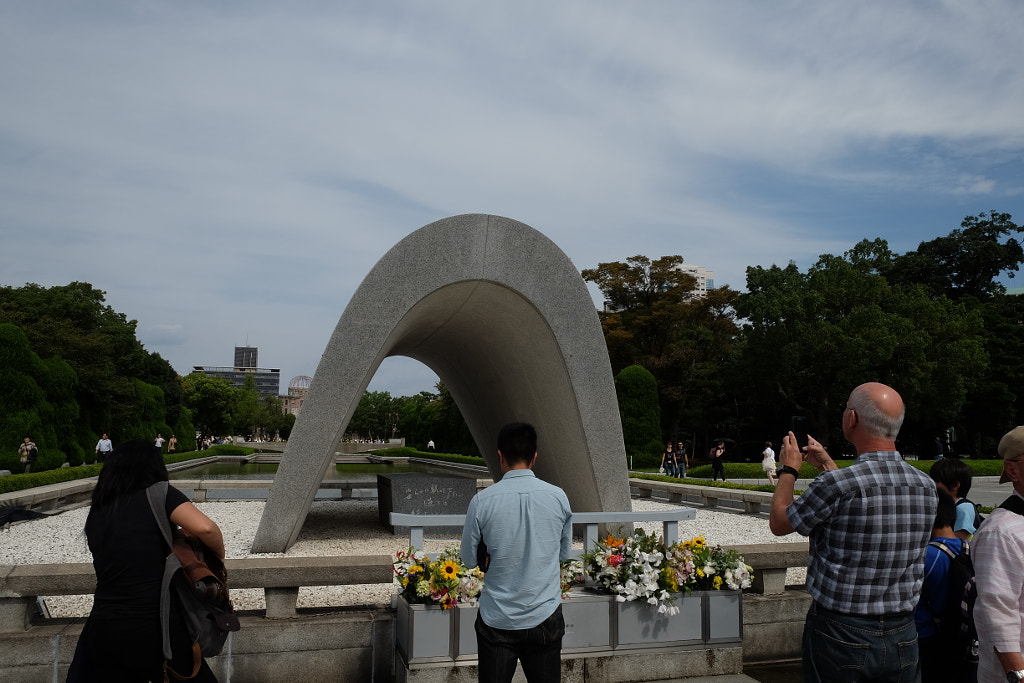
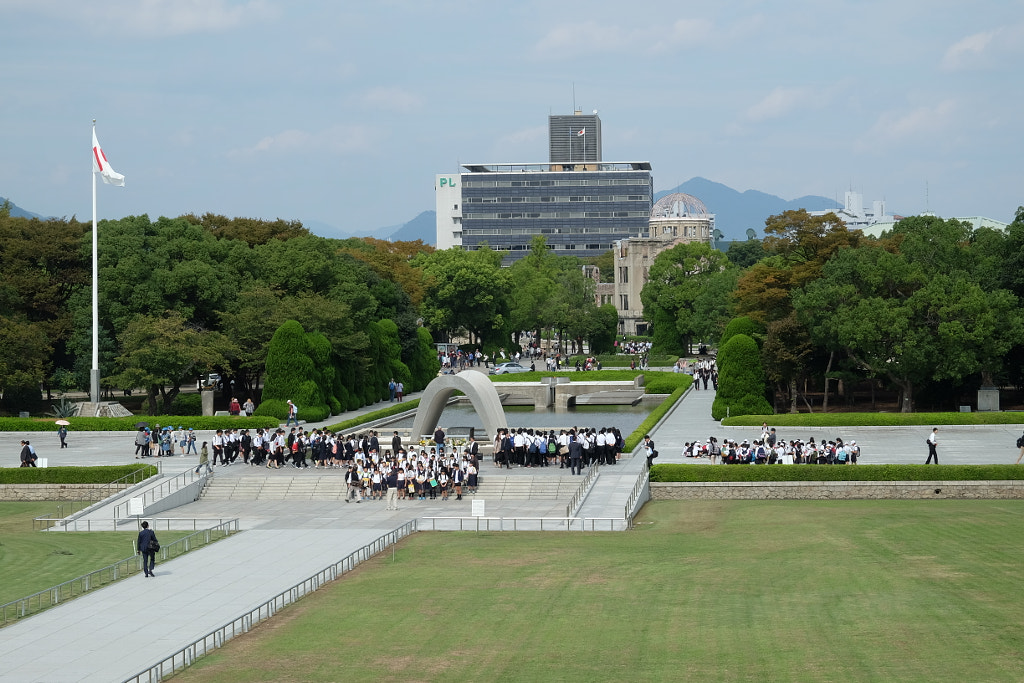
Past the pond is a curved concrete monument that covers a cenotaph. It is aligned to frame the Peace Flame and A-Bomb Dome. It is a memorial with the names of all the people killed by the bomb.


DSCF by SophiaHo on 500px.com

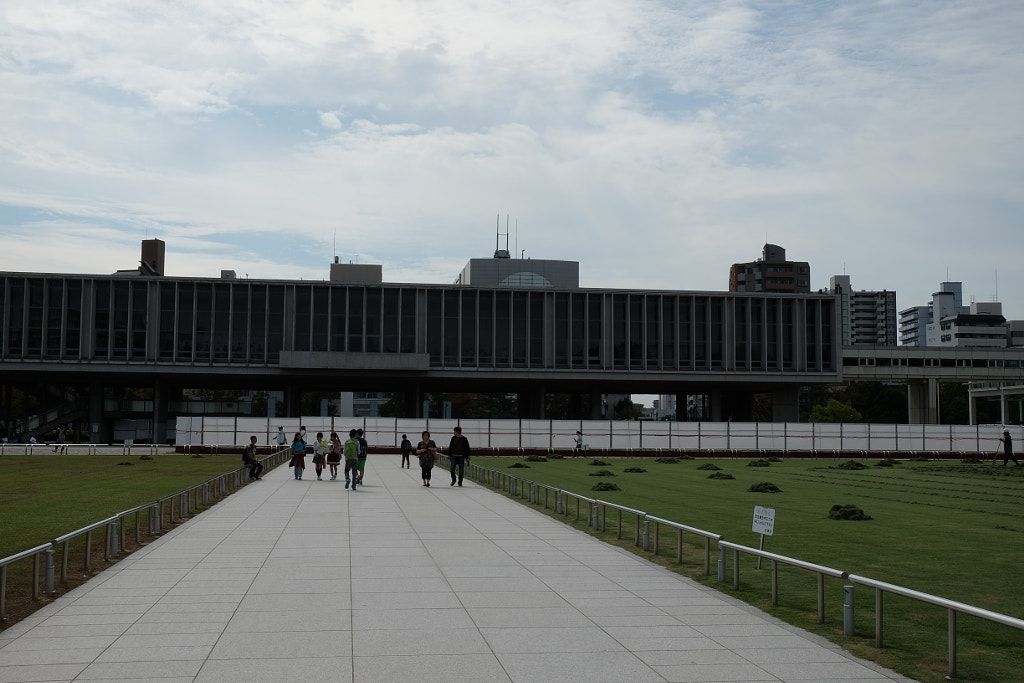
The Hiroshima Peace Memorial Museum is at the end of the park and educates visitors about the atomic bombing in Hiroshima in World War II. Admission to the museum is only 200 yen and very well worth it.


DSCF by SophiaHo on 500px.com

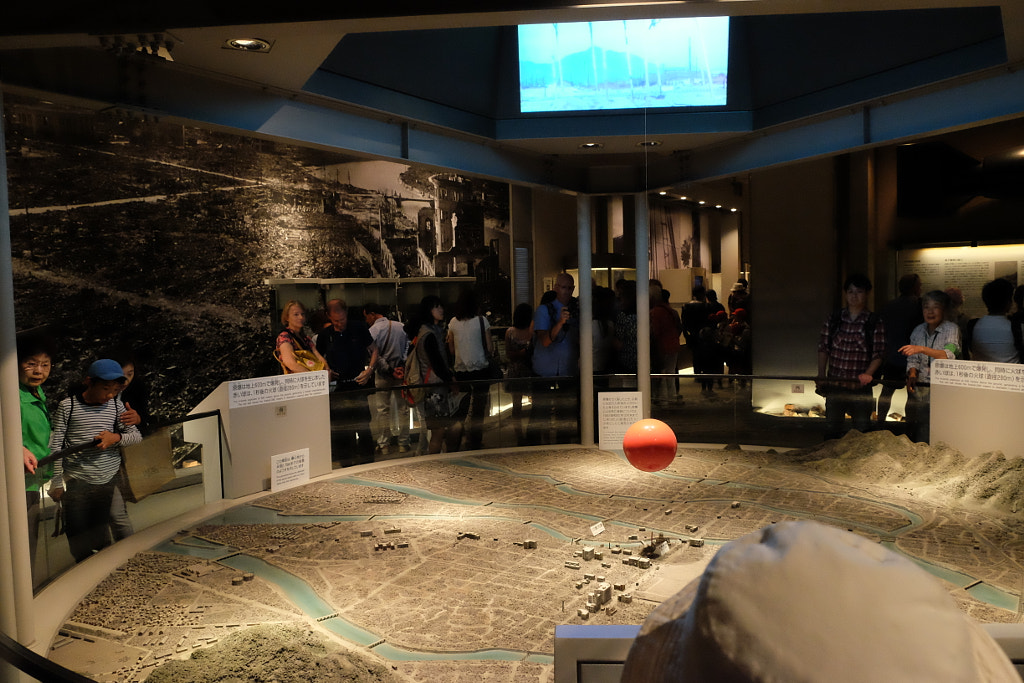
There are two wings in the museum. On one side, it describes Hiroshima before the bomb, the development of the bomb, and why the bomb was dropped. On the other side, it shows the damage of the bomb.


DSCF by SophiaHo on 500px.com

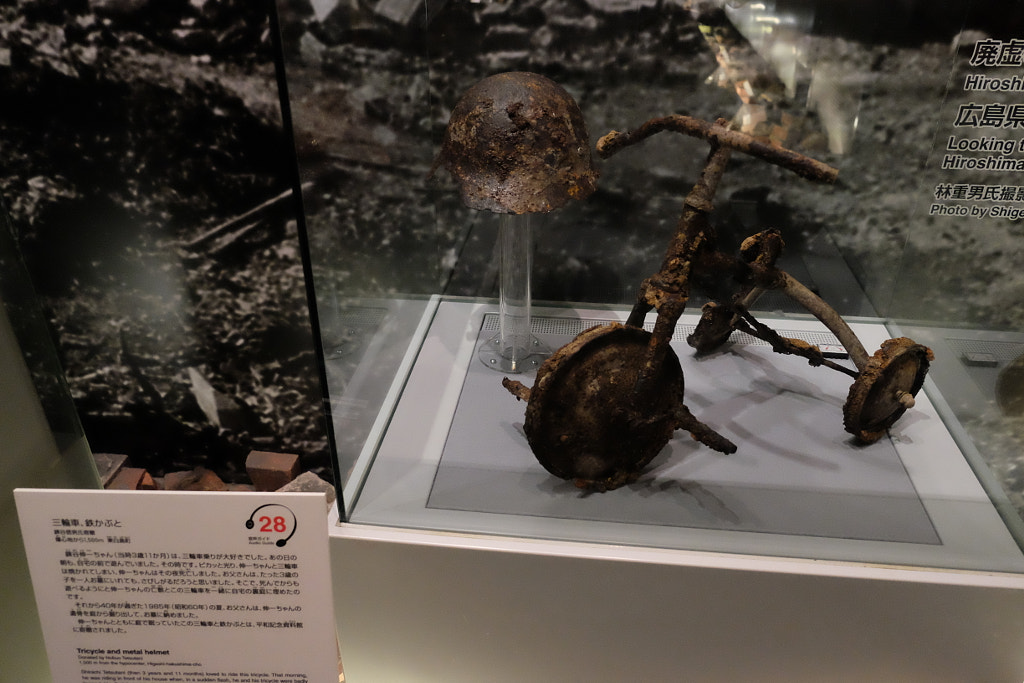
When we went, one side of the museum was under construction, so we only got to visit the side which showed the remains of the bomb. We saw many remains of clothing, watches, and personal items like bikes that were left after the radiation. Many of the displays are quite upsetting and remind us not to take peace for granted.


DSCF by SophiaHo on 500px.com

I think we ended up spending around two hours in the museum. There is lots to see and each display has both Japanese and English captions. There are lots to learn and it was the highlight of our trip in Hiroshima. Inside the building, you will be able to get a view of the park as well.


DSCF by SophiaHo on 500px.com

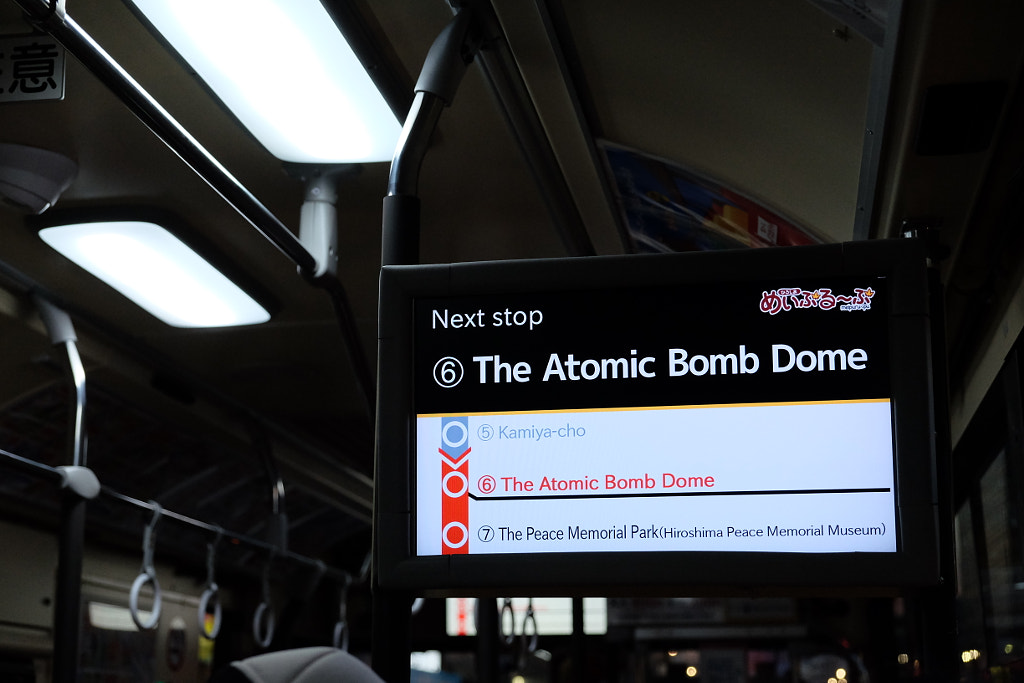
After visiting the museum, we decided to get on the Maple-oop which is a JR operated loop bus for tourists. This is perfect for those who have the JR Rail Pass, because getting on these buses are free and they stop at most of the tourist attractions. If you do not have the pass, you can pay 200 yen per ride or 400 yen for a 1-day pass. We found this very useful as there is English on the bus, and was a great way to sight see the whole city. Just note that the last bus is roughly before 6pm, so you will need to find alternate modes of transportation after.


DSCF by SophiaHo on 500px.com

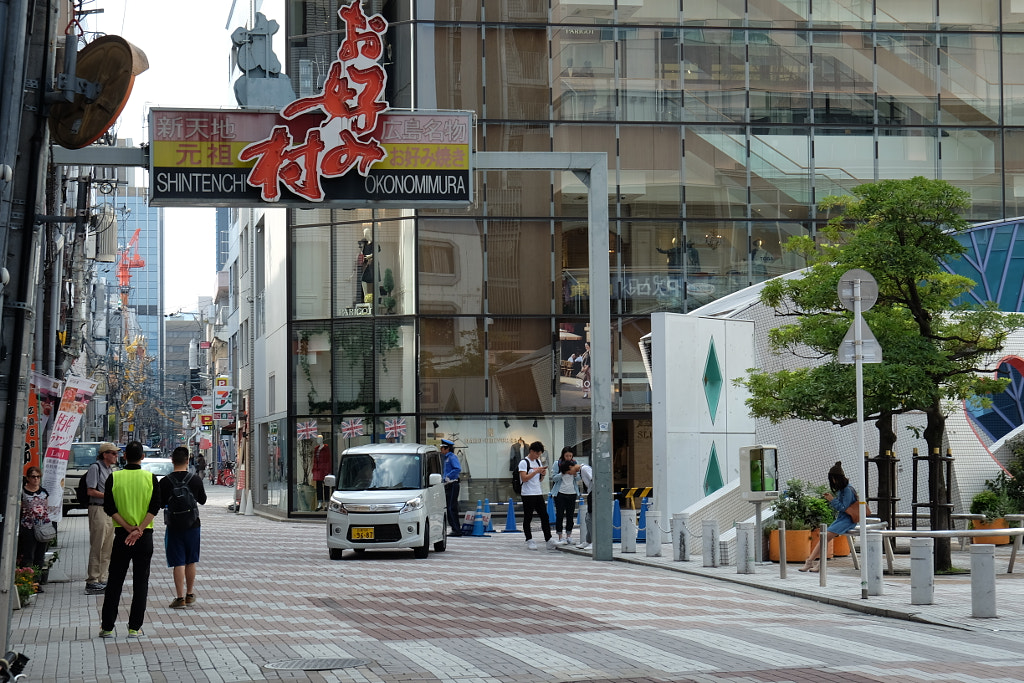
One of the stops on this bus included Okonomimura. If you get off at the Namiki Hondori stop, you will find Okonomimura a 2 minute walk away. This building has 24 okonomiyaki stores throughout its four floors! It was quite overwhelming and it took us a while to decide on which restaurant to eat at.


DSCF by SophiaHo on 500px.com

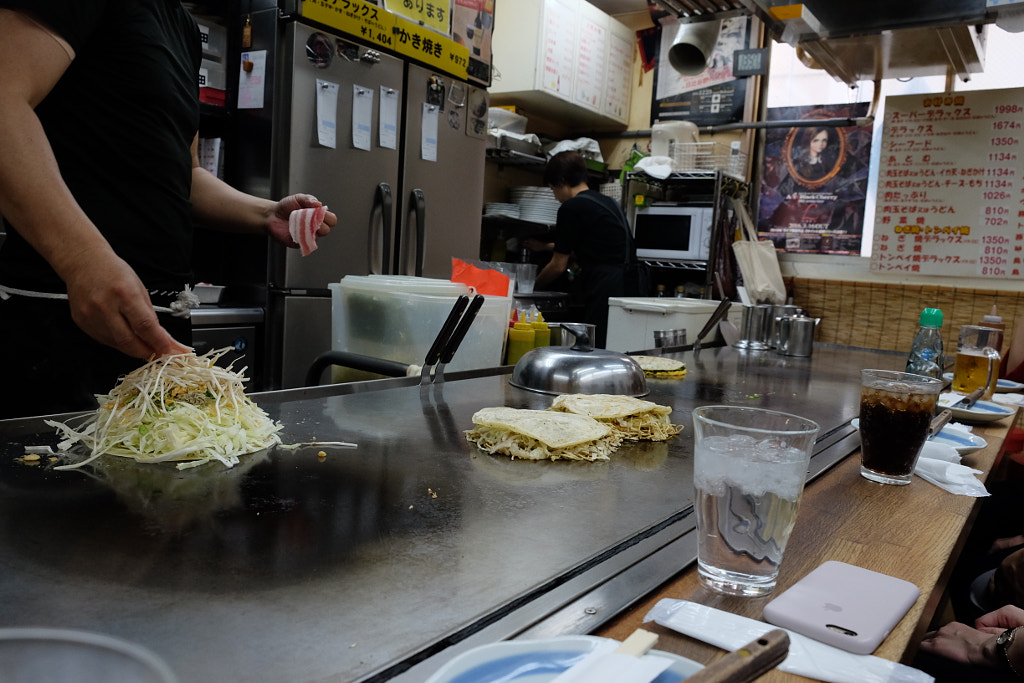
We ended up at restaurant that featured oysters in their okonomiyaki as I hear that is a must try in Hiroshima. I really liked how you could watch the okonomiyaki being made in front of you.


DSCF by SophiaHo on 500px.com

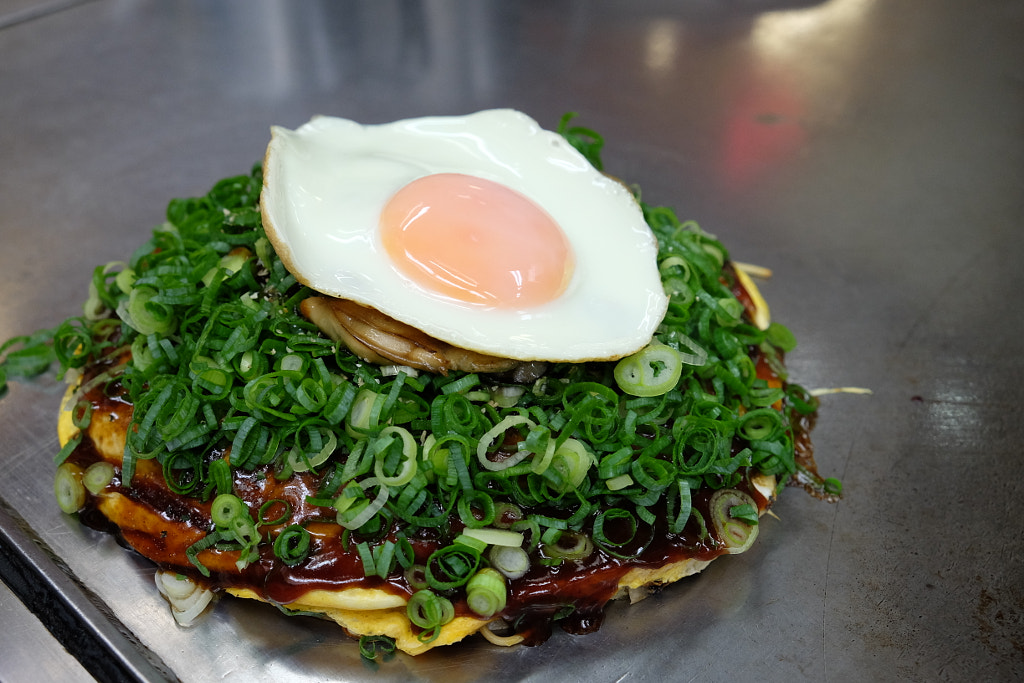
Our okonomiyaki was definitely picture worthy! We got one with pork inside and topped with tons of green onions, oysters, and a sunny side egg. Amazing! However, I personally still prefer the Osaka-style okonomiyaki where all the ingredients are mixed together. I find that the Hiroshima style has way too much cabbage and the ingredients fall apart a lot easier. But still, this was delicious!


DSCF by SophiaHo on 500px.com

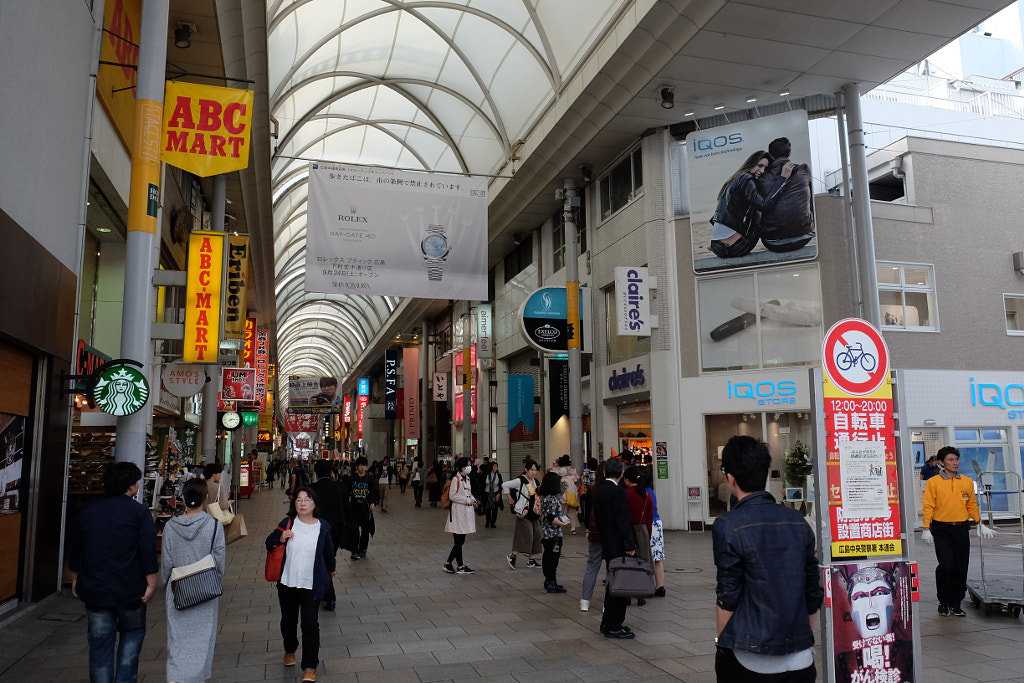
After a late lunch, we headed to Hondori Street which is located in the downtown area of Hiroshima. This is just like any other Japanese city, where the shopping area is pedestrian only with a covered arcade. Since we had been in japan for over two weeks now, many of the shops were similar and we didn’t find anything too interesting. We also noticed that the downtown of Hiroshima was way less busy than the other cities we had visited. I guess this can be a relief for some who dislike the crowds.


DSCF by SophiaHo on 500px.com

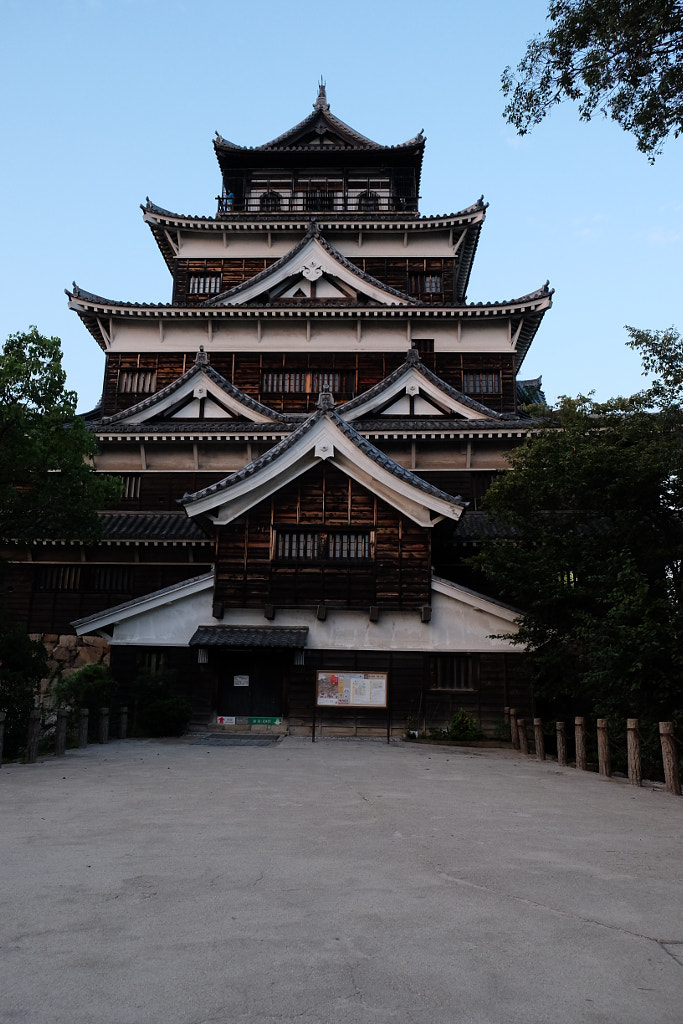
After some shopping, I suggested we visit the Hiroshima Castle ((広島城), since it is a stop on the JR sightseeing bus loop. Like most buildings, the oriignal Hiroshima Castle was destroyed during the atomic bomb. This was rebuilt with concrete and a wooden exterior. There is a museum inside providing information about Hiroshima’s history as well as Japanese castles. Entry is 370 yen, but we found the information to be just average. We personally aren’t interested in castles though.


DSCF by SophiaHo on 500px.com

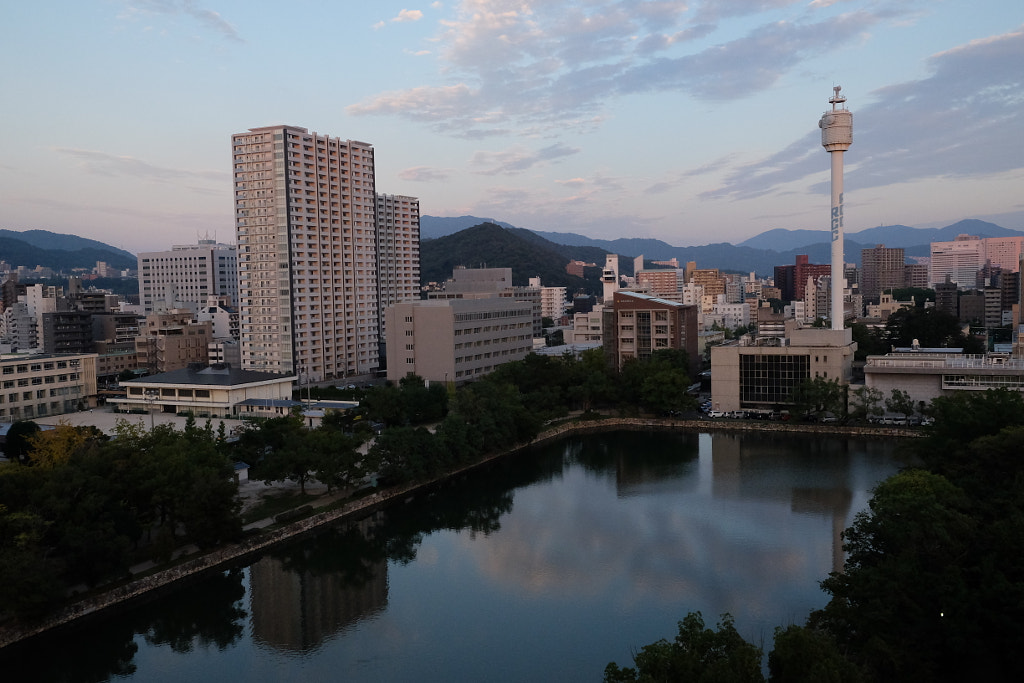
I guess what we enjoyed the most about the castle was that on the 4th floor, you can enjoy stunning views of Hiroshima city.


DSCF by SophiaHo on 500px.com

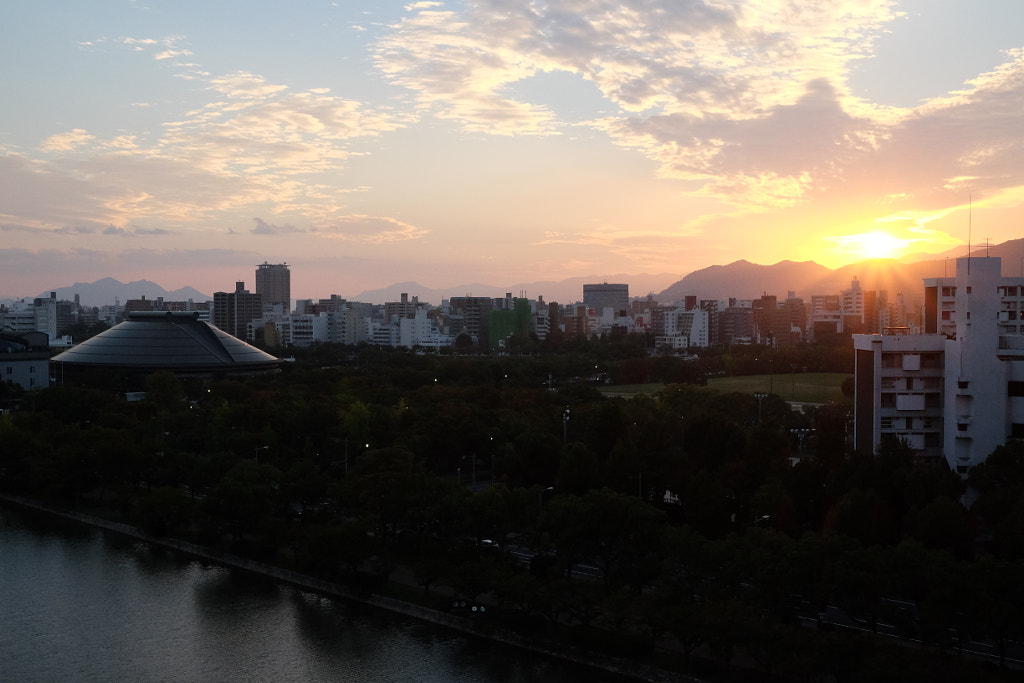
We even got to catch sunset here! If you are looking for an observation deck in Hiroshima, then the castle isn’t a shabby one.


DSCF by SophiaHo on 500px.com

As the evening arrived, we found the city to be rather quiet contrary to the bustling cities of Tokyo and Osaka. The city was dim and quiet, with many shops closing rather early. We decided to head back to our Airbnb and get some rest as we would have a full day of traveling back to Narita (which would take almost 6 hours) as we caught our flight back to Vancouver. Ending our trip in Hiroshima was perhaps a good way to end our trip as it was rather slow paced which paired perfectly with our tired legs. It was also a good reminder to not take things for granted in this world we live in.

And this concludes our travels in Japan! Hope you enjoyed our travels and found some useful information here! Feel free to email me or comment below if you have any other questions. Until next time, Japan!


[Japan Series] Day 15: Miyajima 宮島, Hiroshima 広島

DSCF by info9813 on 500px.com

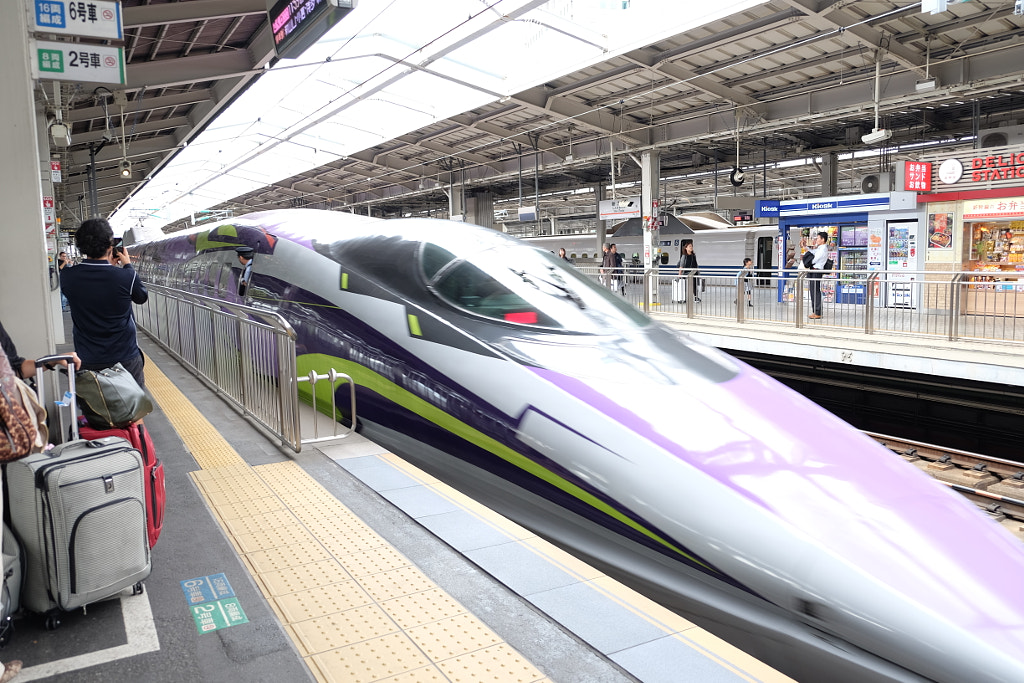
On the last two days of our Japan trip, we would be spending it in Hiroshima (広島). From Osaka station to Hiroshima station, it takes around 2.5 hours with the JR bullet train. A long train ride, but the JR shinkansens are so comfortable, so time really passes by quickly.
 

DSCF by info9813 on 500px.com

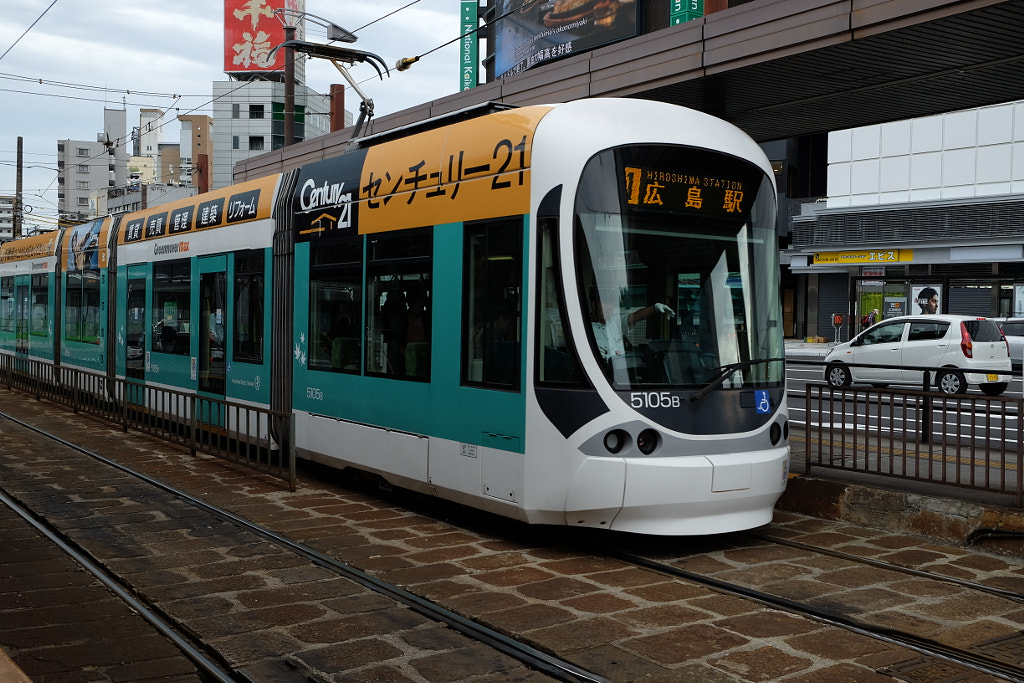
Once we arrived at Hiroshima station, we needed to take a tram to our Airbnb. Hiroshima uses trams instead of trains to get around the city. There are a mix of new and older trams. This one is one of the newer trams and is quite nice!
 

DSCF by info9813 on 500px.com

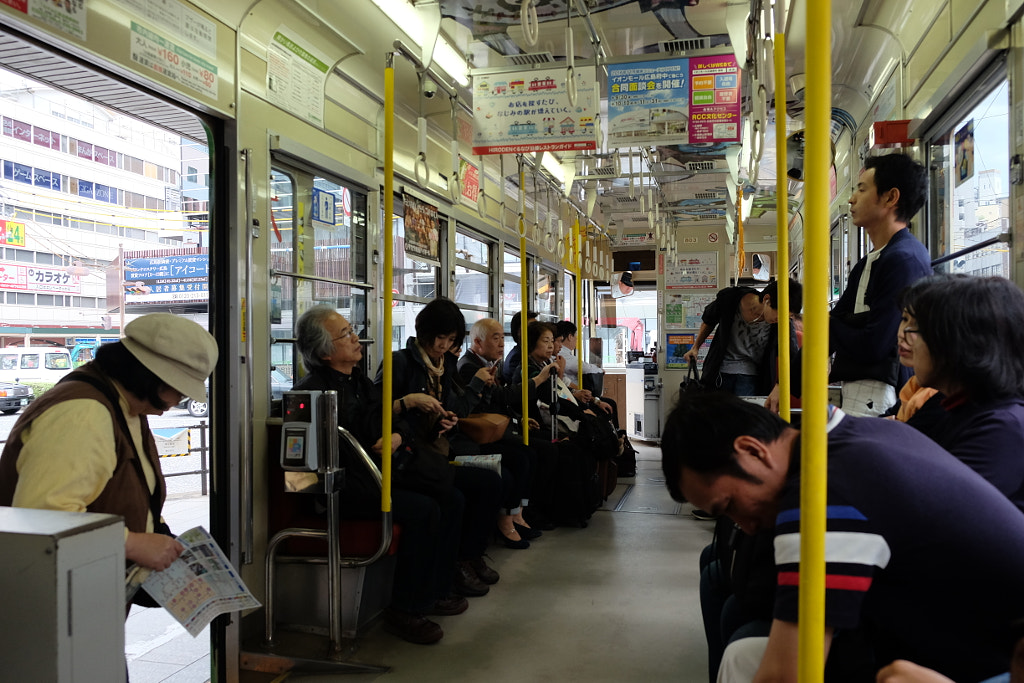
The trams are quite spacious and work similar to the buses. You can use the Paspy and Icoca IC cards to pay for your fare on the trams and buses in Hiroshima.
 

DSCF by info9813 on 500px.com

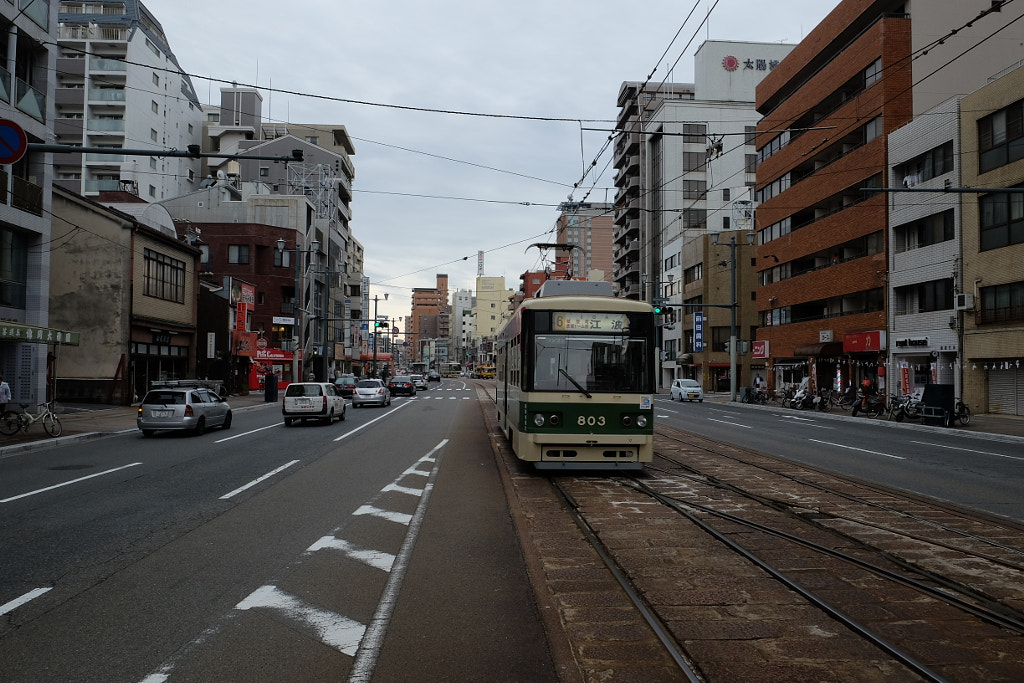
The city streets in Hiroshima are definitely much more modest and quiet. You won’t really find the neon lights and electronic billboards like you would find in Tokyo. I do appreciate that the city is much more spacious and the likelihood of being in crowds like in Tokyo and Osaka is unlikely.
 

DSCF by info9813 on 500px.com

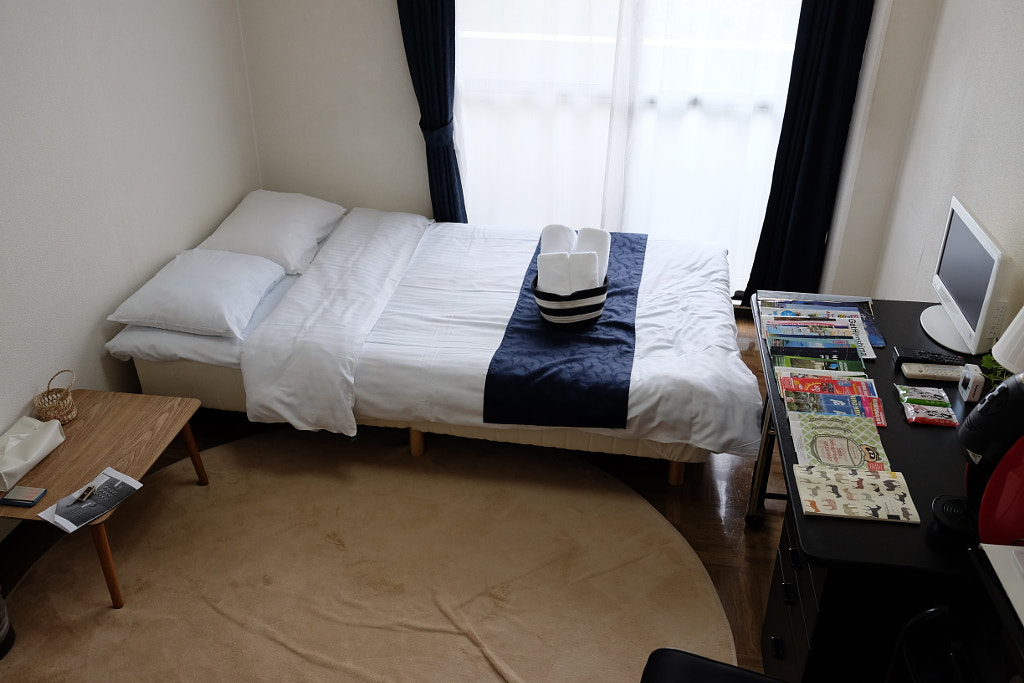
Our Airbnb was a short walk from the tram and also walking distance from the A-Bomb Dome. The room was definitely very cozy and one of the smaller Airbnbs we stayed in. However, it had everything we needed and was extremely clean. There was even a huge bottle of sake for us to enjoy!
 

DSCF by SophiaHo on 500px.com

After settling in, it was already mid afternoon, so we decided to head to Miyajima Island. Our initial plan was to visit the island the following day after visiting the Peace Memorial Museum as we thought it would be more uplifting, but due to the time we arrived, it didn’t make sense to visit the museum near closing.
 

DSCF by SophiaHo on 500px.com

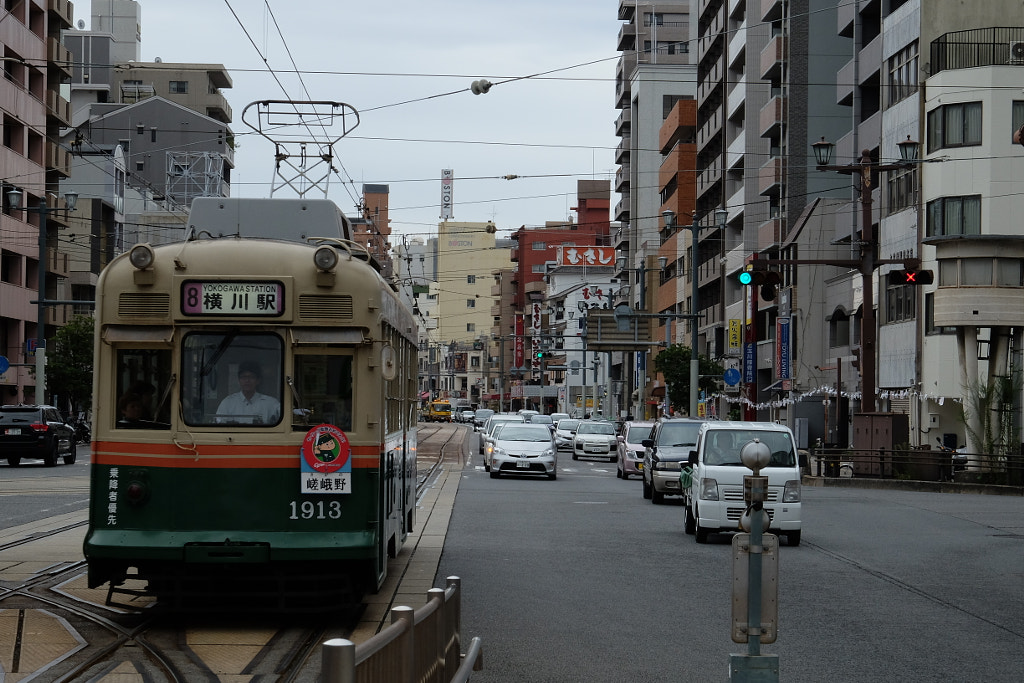
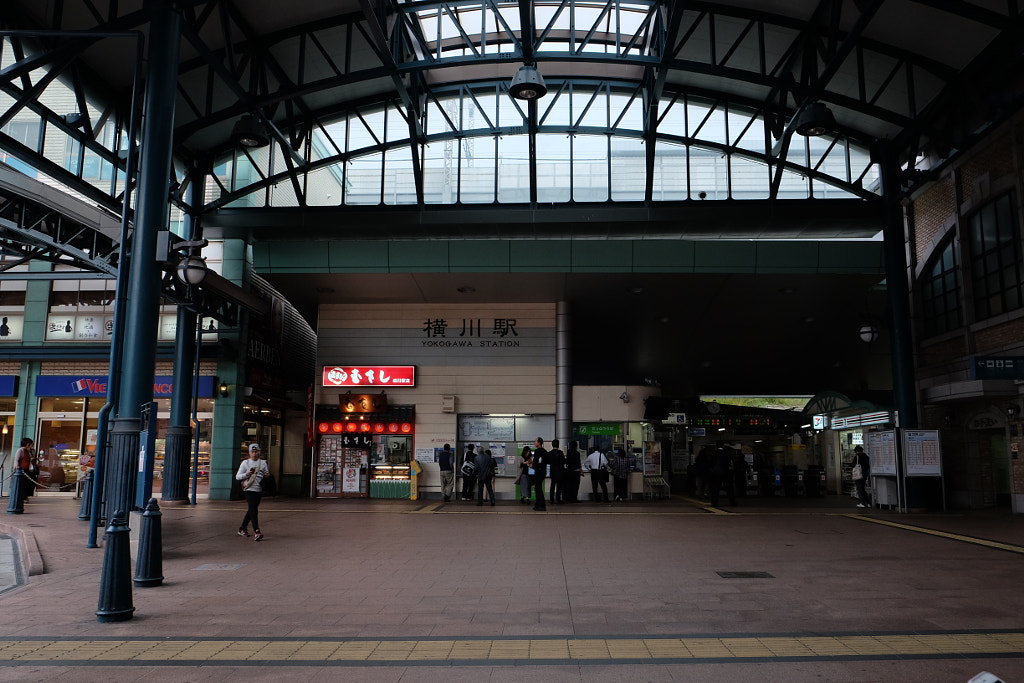
To get to Miyajima Island, we first had to take a tram to Yokogawa station. From there, we took the JR Sanyo line to Miyajimaguchi Station. You can also get to Miyajimaguchi Station from Hiroshima Station and that would take roughly 25 minutes.
 

DSCF by SophiaHo on 500px.com

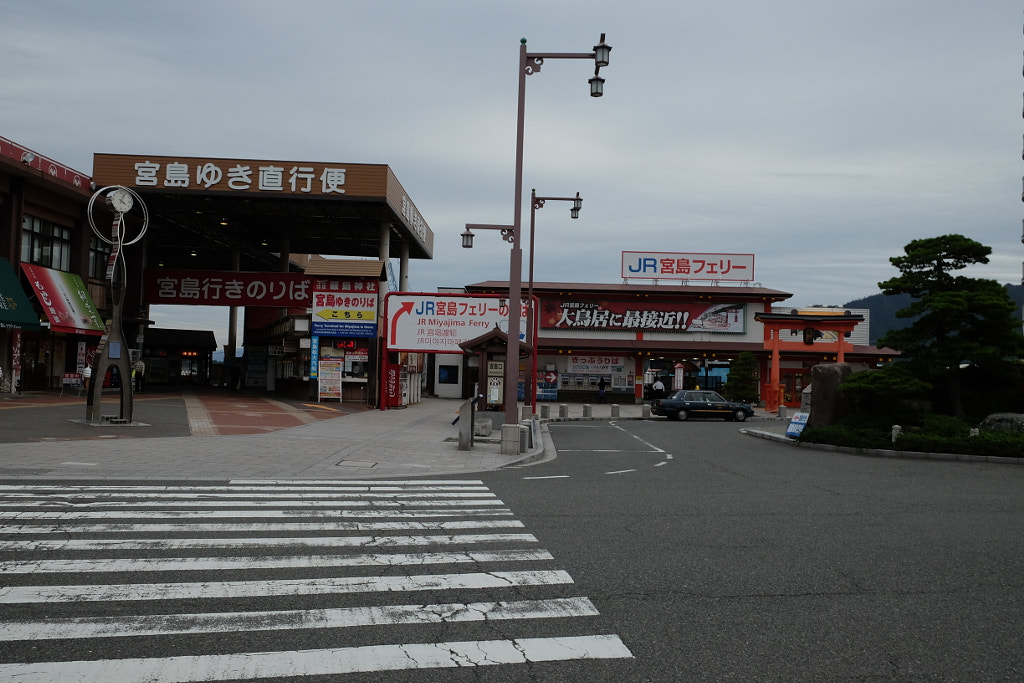
When you get to Miyajimaguchi Station, follow the signs and you will find the ferry pier.
 

DSCF by SophiaHo on 500px.com

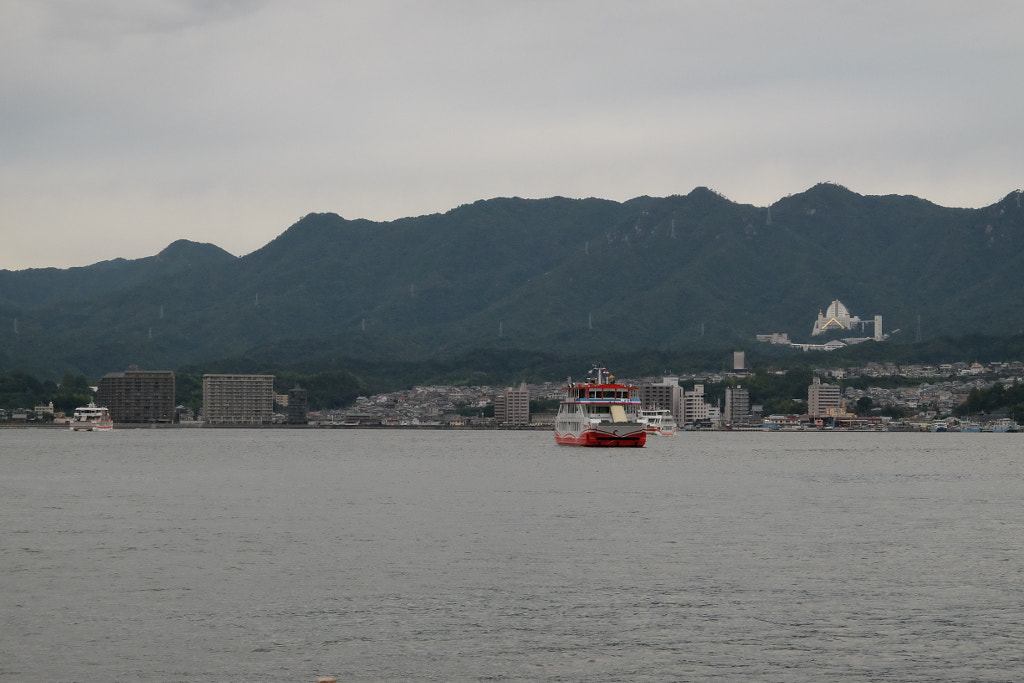
The ferries depart quite frequently to Miyajima Island and only takes 10 minutes. This is covered under the JR rail pass if you have it.
 

DSCF by SophiaHo on 500px.com

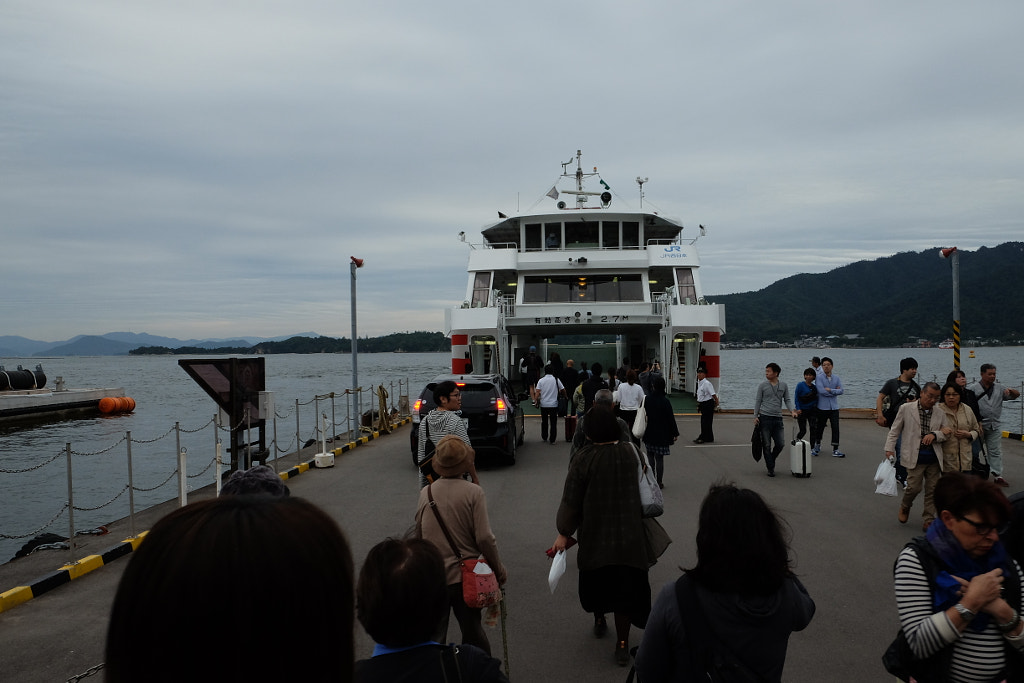
The ferry is quite large and you can even stand outside to take pictures. I think you can also bring your car on the ferry. As we were departing quite late in the day, there were not that many people on the ferry, making it easy for us to get a good spot for sightseeing.
 

DSCF by SophiaHo on 500px.com

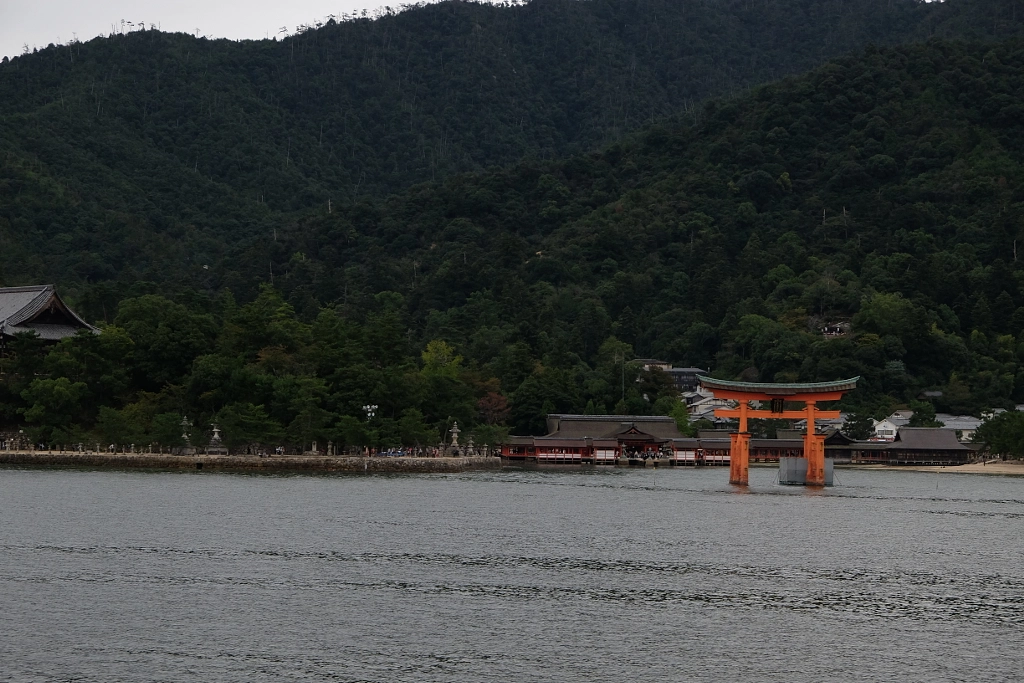
The ferry ride seriously goes by in no time. As we reached Miyajima Island (宮島), we saw the famous red torii gate which floats on water.
 

DSCF by SophiaHo on 500px.com

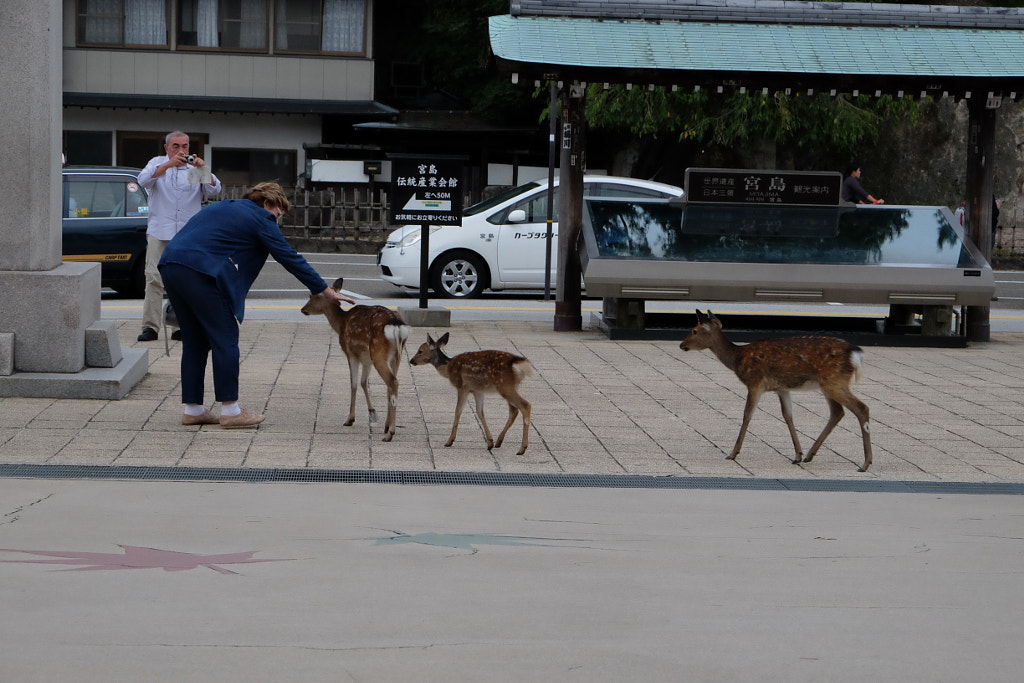
Once we got off the ferry, we realized that there are lots of deer on this island! Very similar to Nara, but of course not as many. I really wonder how they got to this island! If you don’t get a chance to visit Nara, then this will do!
 

DSCF by SophiaHo on 500px.com

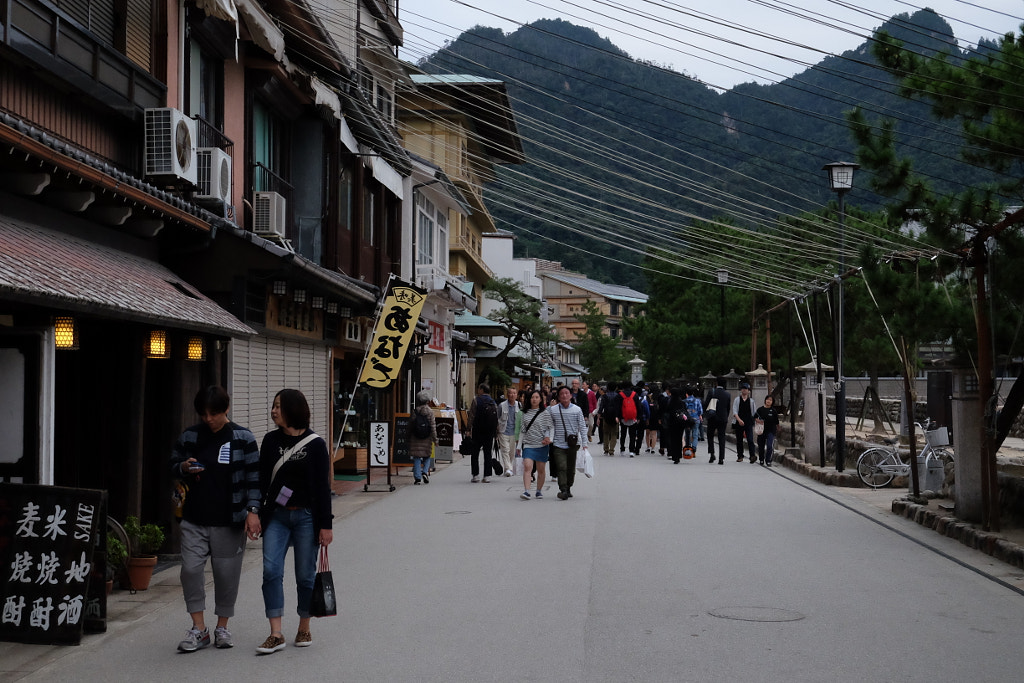
Along the way, there are some shops that sell souvenirs and snacks.
 

DSCF by SophiaHo on 500px.com

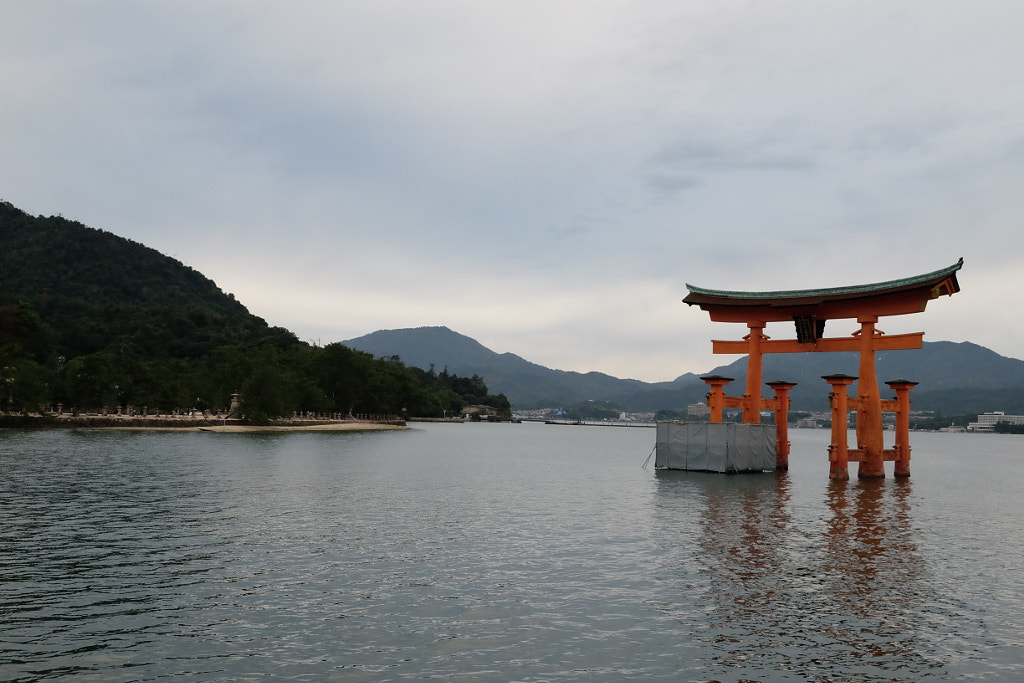
After a short walk, we reached the floating red torii gate. This is the view you get if you choose not to pay to enter the shrine. It’s pretty good but more on an angle. Unfortunately, there was a bit of construction going on, so the gate was slightly blocked. As we reached the island in the late afternoon, this was high tide and therefore the gate appears to be floating. If you arrive earlier in the day, the tide will be low and therefore you can actually walk all the way out to the gate! You should check out this website to time when you visit the island so you can hopefully visit at both low and high tide!
 

DSCF by SophiaHo on 500px.com

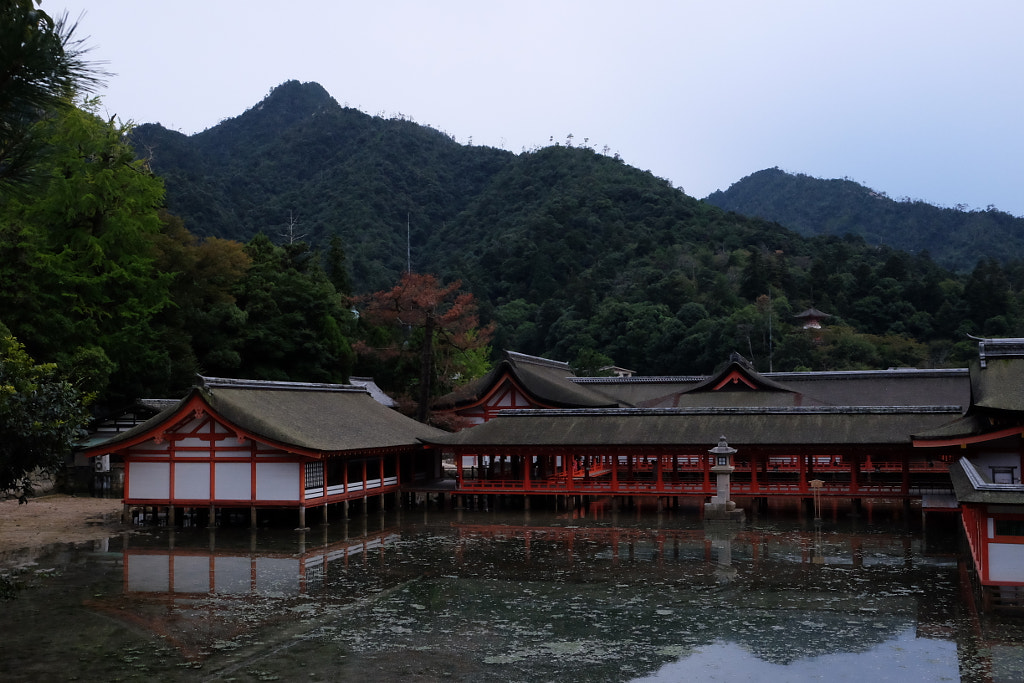
This is the Itsukushima Shrine (厳島神社) which is also built over the water. Entry fee into the shrine is 300 yen and consists of multiple buildings, including a prayer hall, a main hall and theater stage. You will also get a view of the torii gate straight on instead of at an angle. We didn’t end up going inside the shrine, but would imagine this is a great attraction especially during low tide so you can wakl straight up to the gate.
 

DSCF by SophiaHo on 500px.com

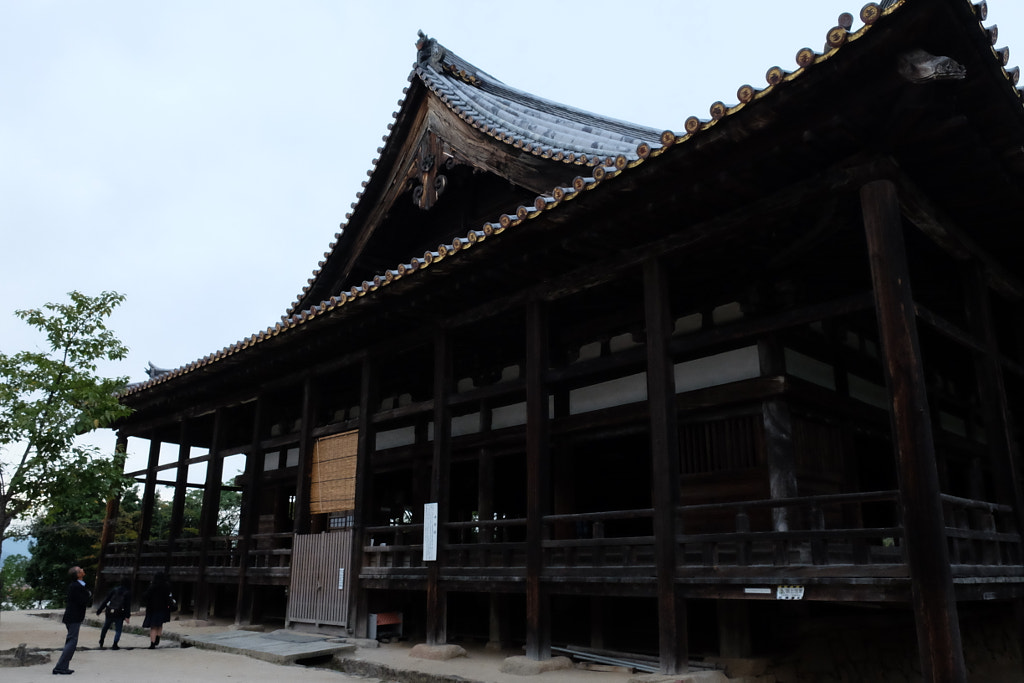
Not far from the shrine, a small hike will get you to the Senjokaku (千畳閣), which translates to the pavilion of 1,000 mats because the size of the pavilion can literally fit 1,000 tatami mats. This old building dates back to the 1587 and this costs 100 yen to enter. It is the largest structure on Miyajima Island.
 

DSCF by SophiaHo on 500px.com

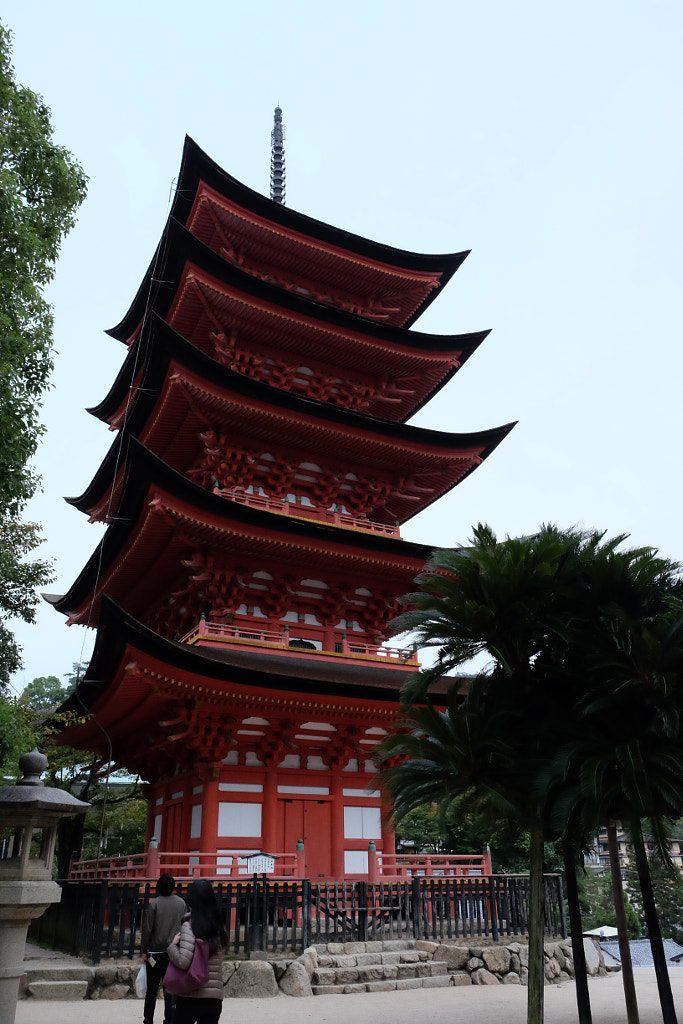
The Five-storied Pagoda is adjacent to the Senjokaku and was originally built in the 1400s but restored in 1533. It enshrines the Buddha of Medicine and is quite beautiful to see up close. I don’t think you can enter inside, so the attraction is free to view.
 

DSCF by SophiaHo on 500px.com

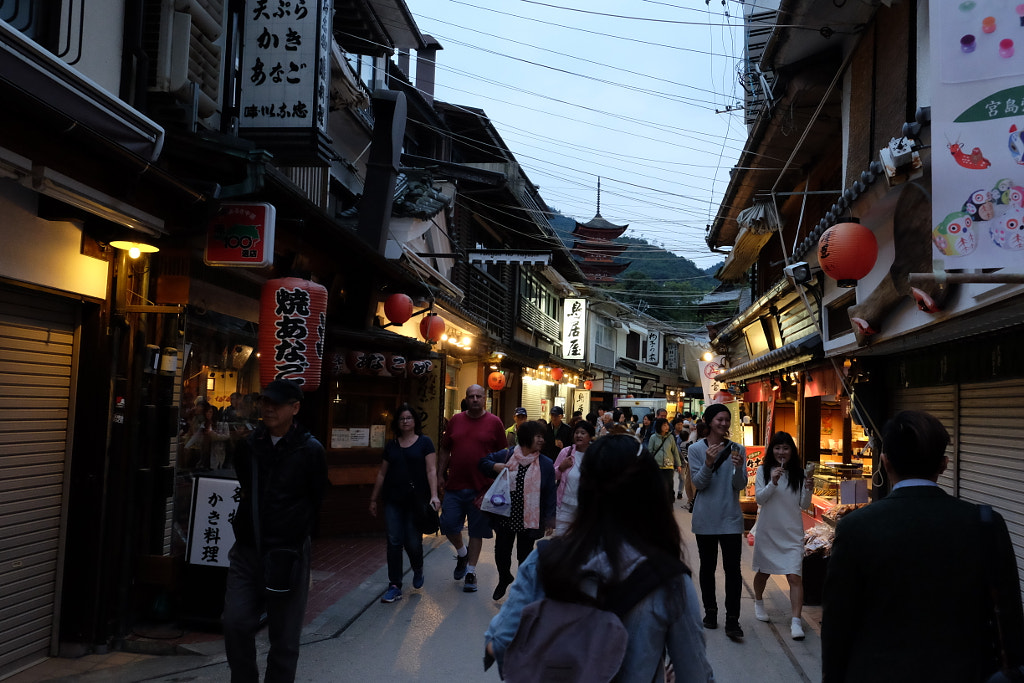
As the sun set, we decided to head back to the souvenir streets. Many of them had already closed as it was rather late. I imagine there isn’t much to do around the island at night if you stay overnight here.
 

DSCF by SophiaHo on 500px.com

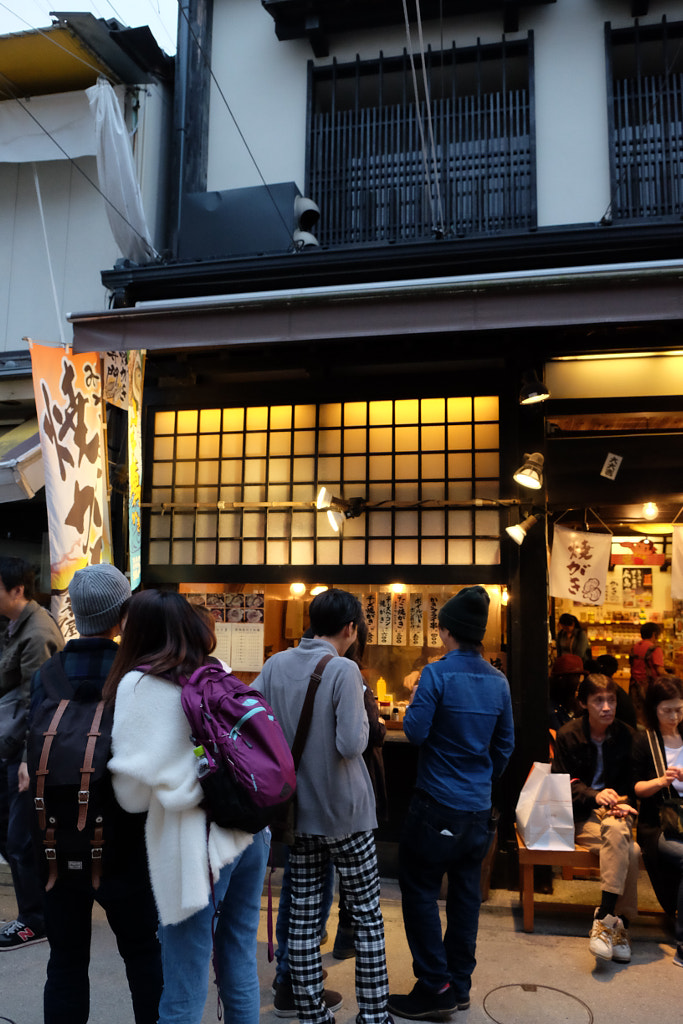
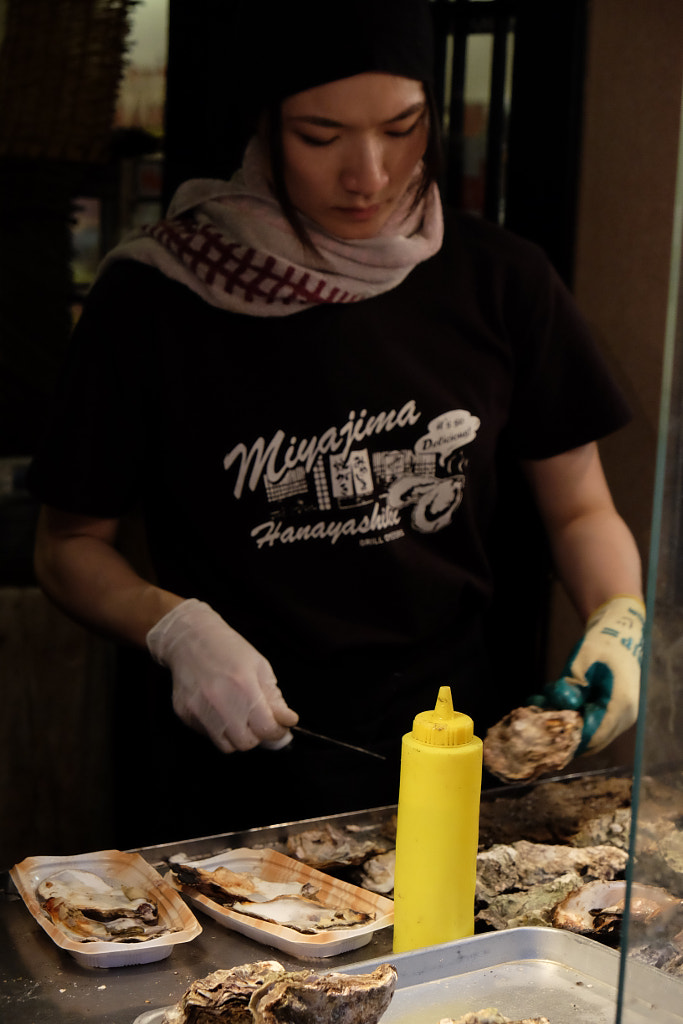
There was one shop that was bustling with crowds. This was the grilled oyster stall! There are actually many grilled oyster stalls along the Miyajima Omotesando shopping street. However, as we went pretty late, most of them were closed. This stall itself closed shortly after we placed our order as well.
 

DSCF by SophiaHo on 500px.com

Here, you can get a variety of ways the oysters are cooked. Of course, the most famous is to get them grilled with charcoal. The grilled oysters here are a pretty good deal at 2 for 400 yen. However, the downside is this is just a stall, so there are no seating areas. There are a few stools around but more of a quick eat and go stop.
 

DSCF by SophiaHo on 500px.com

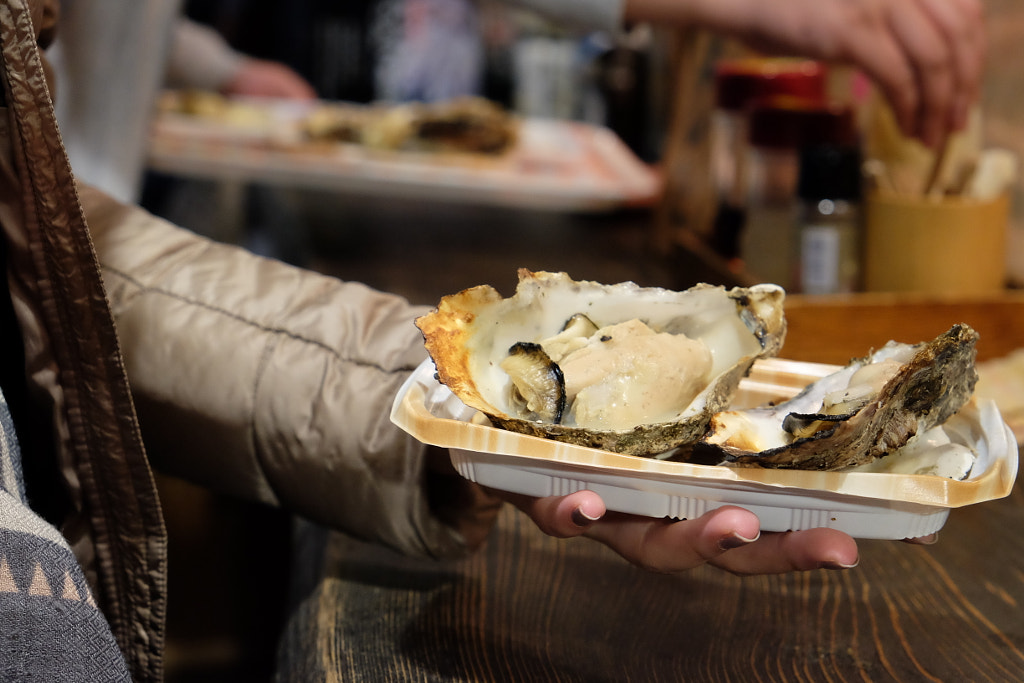
The oysters take a while to grill, so we walked around the streets before heading back to grab our order. Here, we have two grilled oysters. A nice char and the oysters themselves are plump and fresh. Highly recommend if you’re an oyster lover!
 

DSCF by SophiaHo on 500px.com

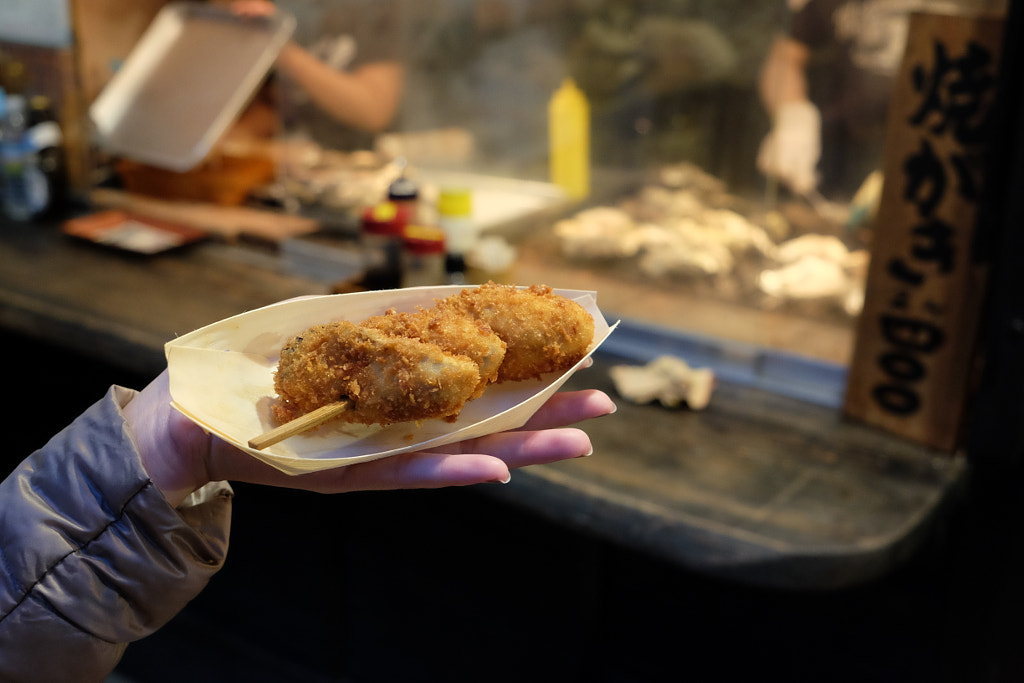
We also got the deep fried oysters. These are smaller oysters which they have skewered onto a stick. Really good as well! If you are looking for a sit down restaurant for oysters, then Kakiya and Yakigaki are among the most famous on Miyajima Island. Oysters are a must eat in Hiroshima and Miyajima!
 

DSCF by SophiaHo on 500px.com

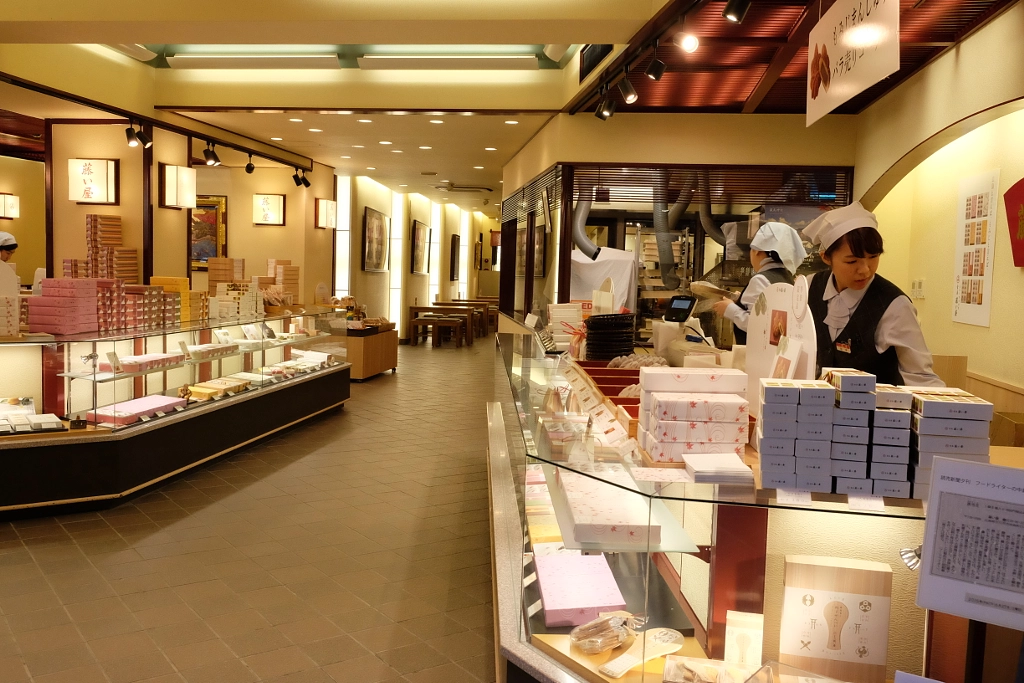
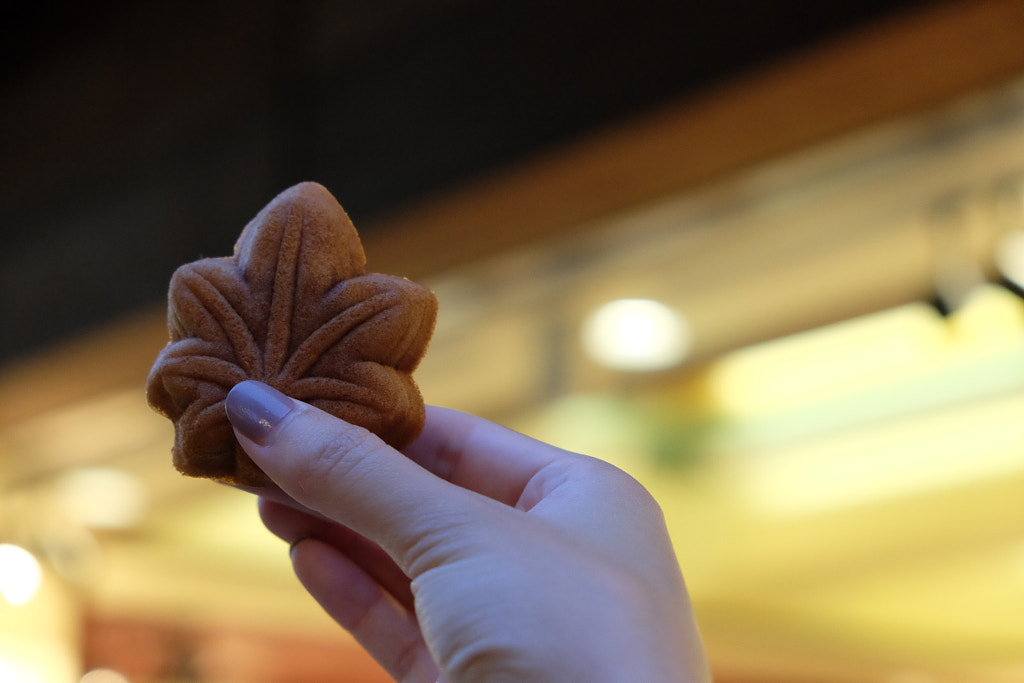
Another well known food item is the Momiji Manjyu, which are maple leaf shaped pastries filled with a variety of filings including red bean, custard, chocolate, etc. There are many souvenir shops selling this pastry.
 

DSCF by SophiaHo on 500px.com

Luckily, we were able to find a shop that sold single Momiji Manjyus since I just wanted to give it a try. We got one filled with custard and it was very tasty! Worth giving a try! After having some snacks, we decided to head back to Hiroshima by ferry as it was getting late.
 

DSCF by SophiaHo on 500px.com

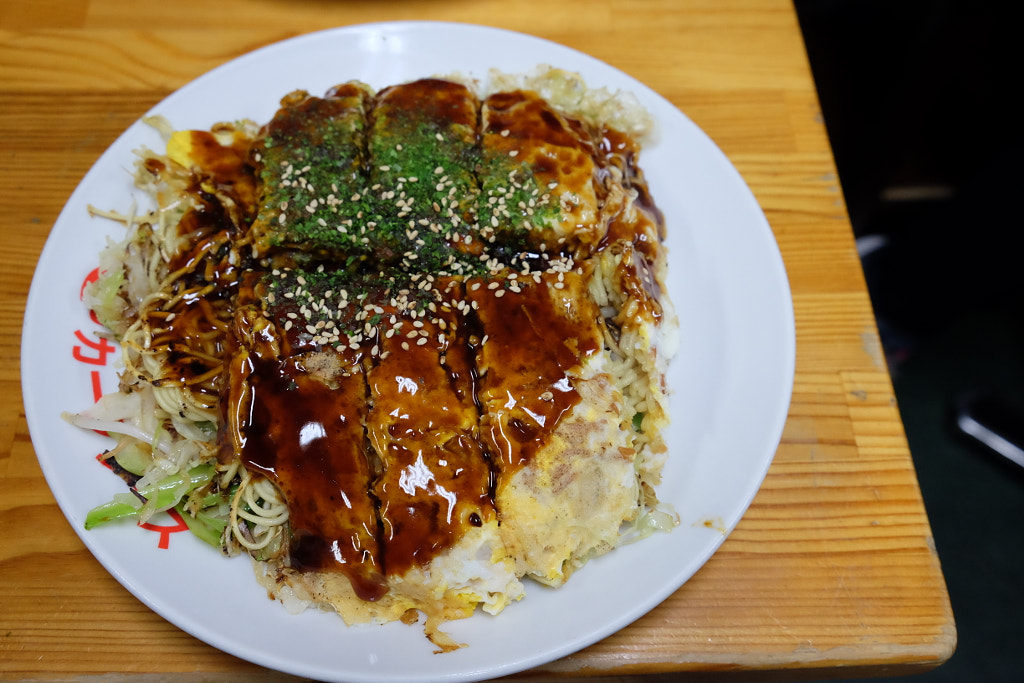
We did some research and learned that the 2nd floor of Hiroshima Station is the ASSE restaurant floor and filled with okonomiyaki shops. Okonomiyaki is very famous in Hiroshima and a must try. The okomiyaki here is very different than Osaka style as the ingredients are layered rather than mixed. Honestly, I don’t remember which restaurant we visited since they all look the same. Just head into one that has a decent amount of locals! This one had yakisoba noodles.
 

DSCF by SophiaHo on 500px.com

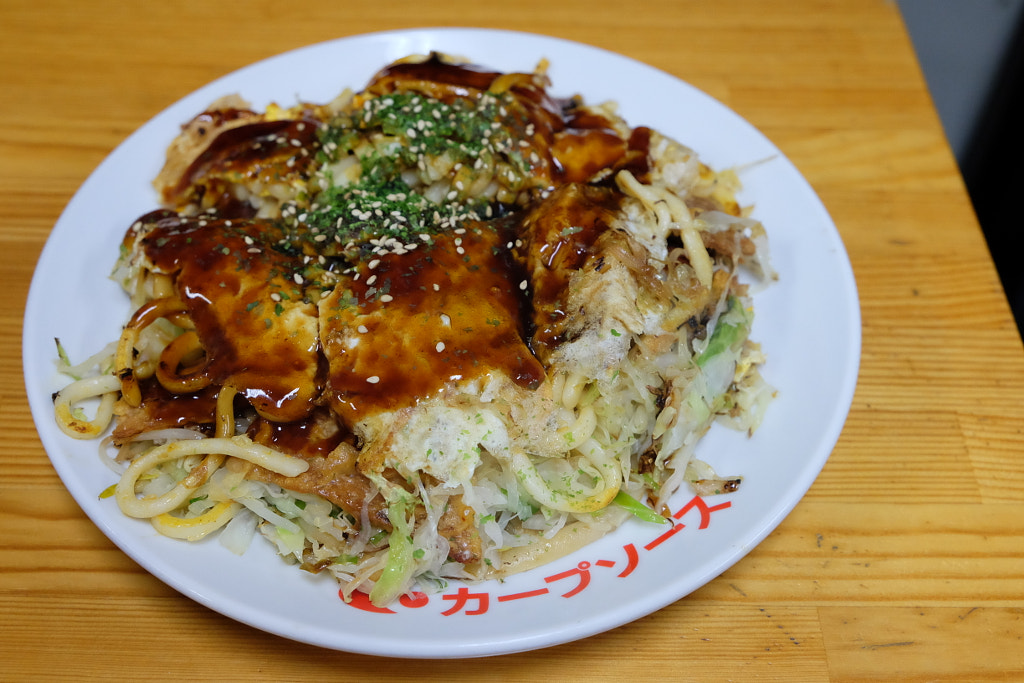
We also got another one which had yakiudon noodles. My favourite was the yakisoba as it is much lighter than the udon. These okonomiyaki’s are huge and is more than enough for one!

Overall, a nice day trip to Miyajima Island to relax and the next day we would visit the major attractions in Hiroshima.

Hiroshima Station Asse – 2nd Floor (Okonomiyaki floor)
Address: 2-37 Matsubara-cho, Minami-ku
 

[Japan Series] Day 14: Day Trip to Kobe 神戸 and Gudetama Cafe Osaka

DSCF by ukijojo on 500px.com

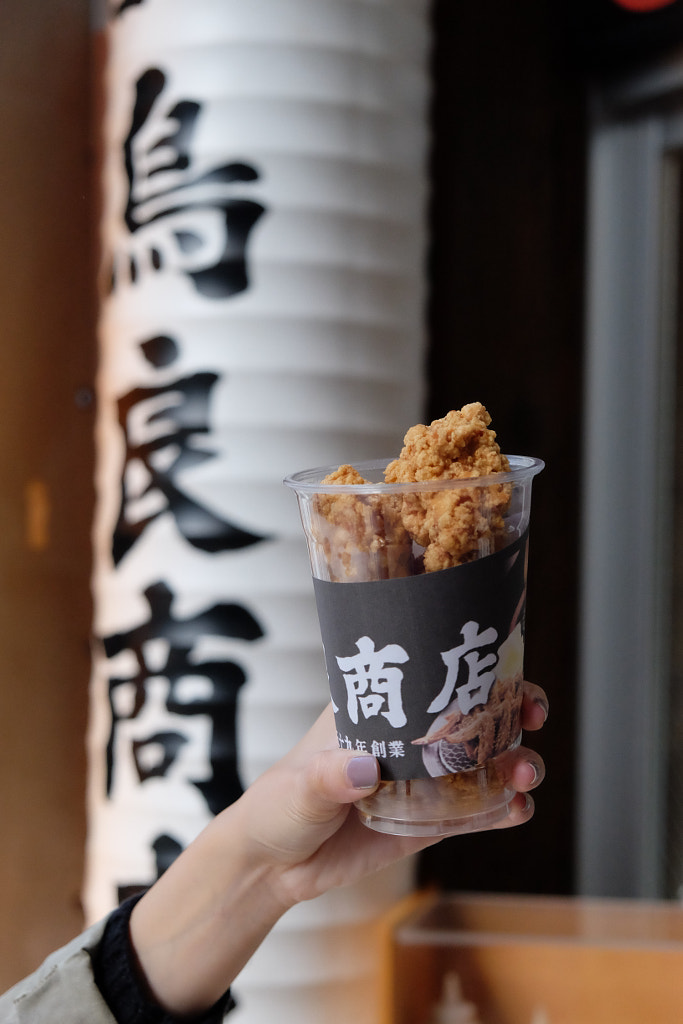
On day 14, we had one more day in Osaka and we decided to take a day trip out to Kobe (神戸). Before heading out, we decided to stop by the Dotonbori area to grab a quick snack. Of course S wanted his fried chicken, so tried it out at this stand. They make it fresh and the chicken was moist with the outside crispy. From Osaka Station, taking the JR train only takes 20 minutes to Kobe. Way faster than we thought! If you don’t have the JR pass, then you can take other trains and you can still get there within 30 minutes or so.
 

DSCF by ukijojo on 500px.com

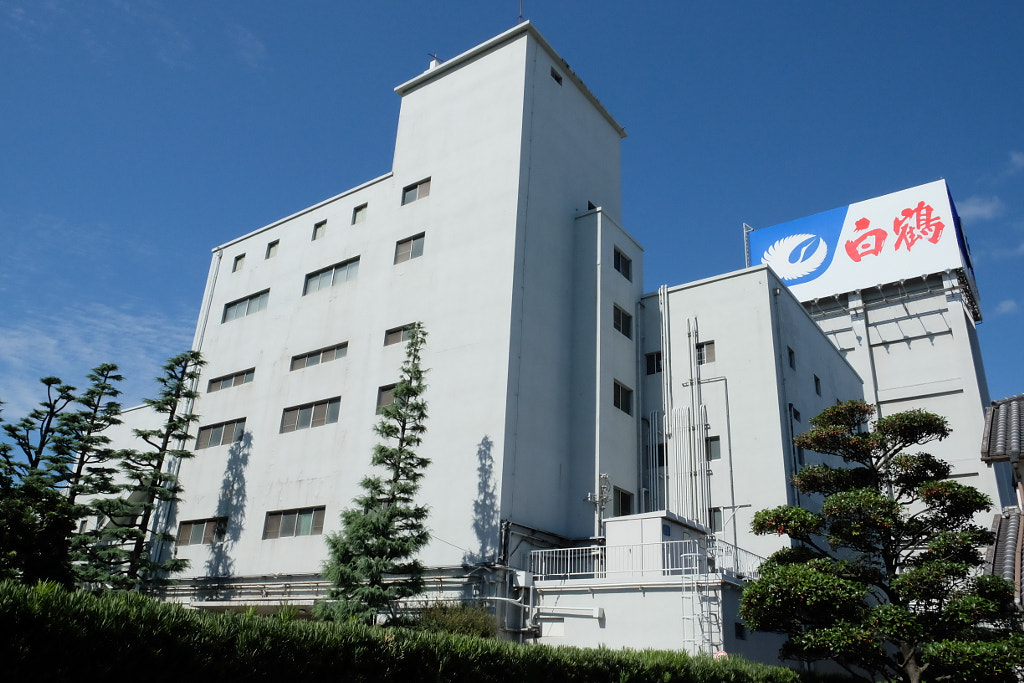
The Kobe Nada district is famous for sake breweries. We did some quick research and decided to check out the most famous one: Hakutsuru Sake Brewery Museum (白鶴酒造資料館). This museum has information in English and also sake tasting, which made it perfect for us. Because we wanted to use our JR pass, we took the train to JR Sumiyoshi Station. The walk from here is 15-20 minutes, so I suggest taking the train to Sumiyoshi Station on the Hanshin Railways Line instead if you are not using the JR pass. This walk is only 5 minutes instead.


DSCF by ukijojo on 500px.com

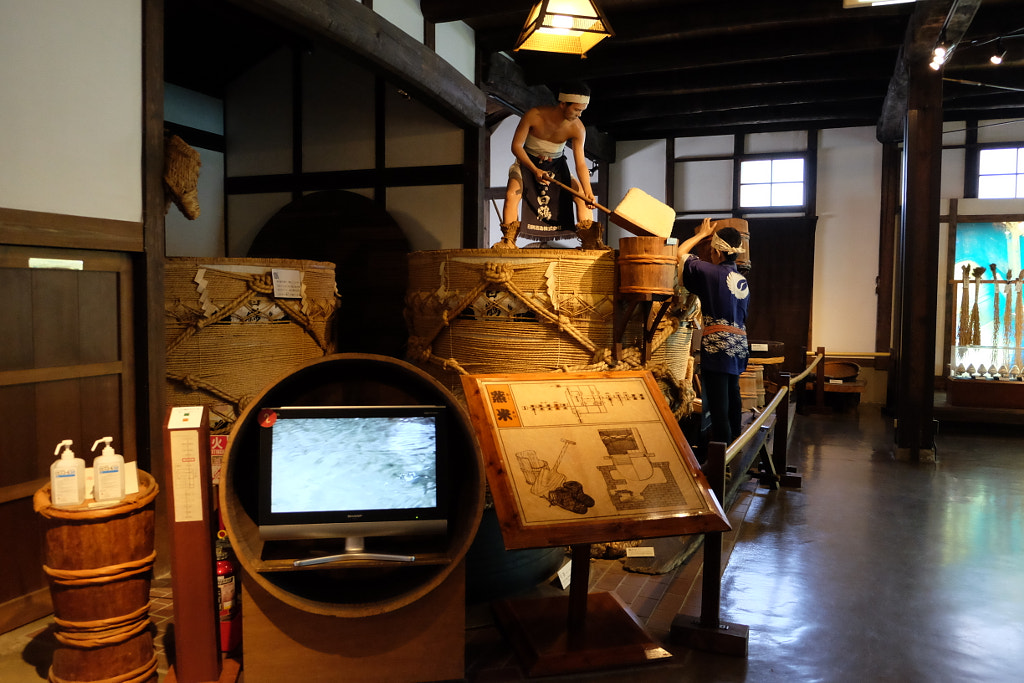
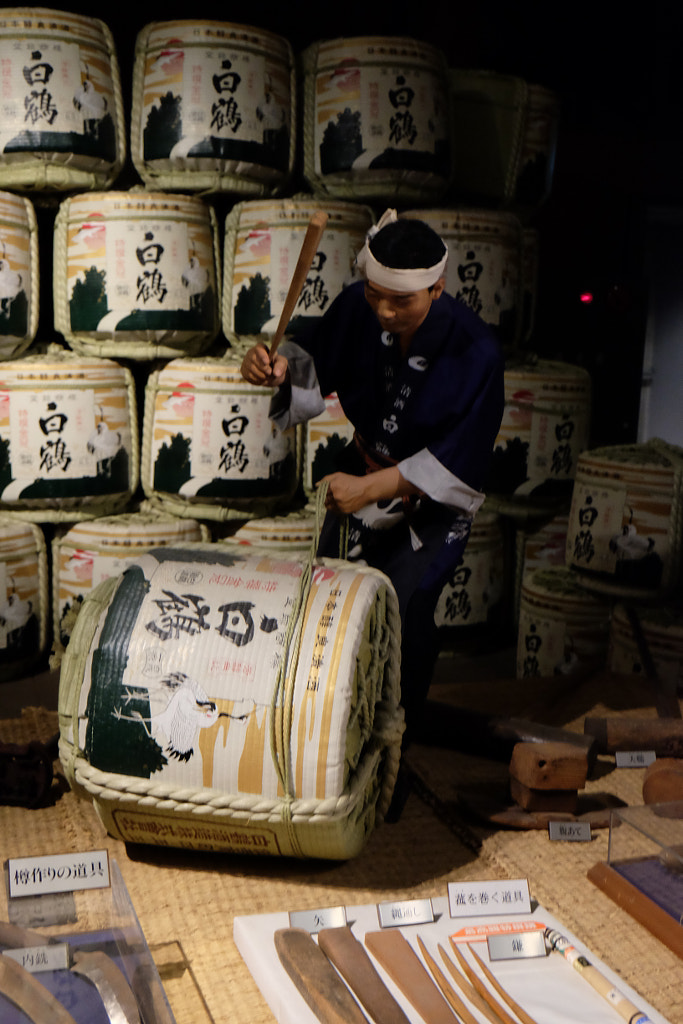
Entry to the museum is free and there is plenty to see. Although the sculptures are very fake, you get a good sense of how sake is made and was a great introduction for us who knew barely anything about Japanese rice wine.


DSCF by ukijojo on 500px.com

The tour is self guided and you can walk at your own pace. At the end of the museum is sake tasting where you can try many different flavours and sake with various alcohol content.

o by info9813 on 500px.com

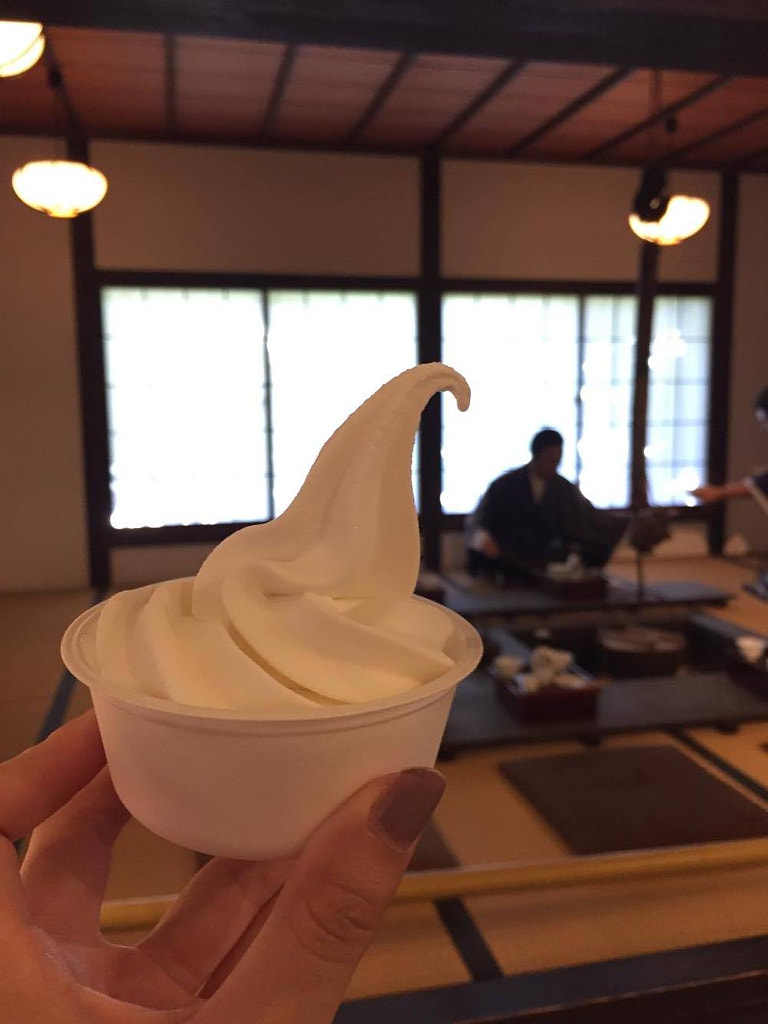
Also near the gift shop is sake ice cream which you can purchase. The ice cream has no actual alcohol content, but rather a sake flavour. Really good!


o by info9813 on 500px.com

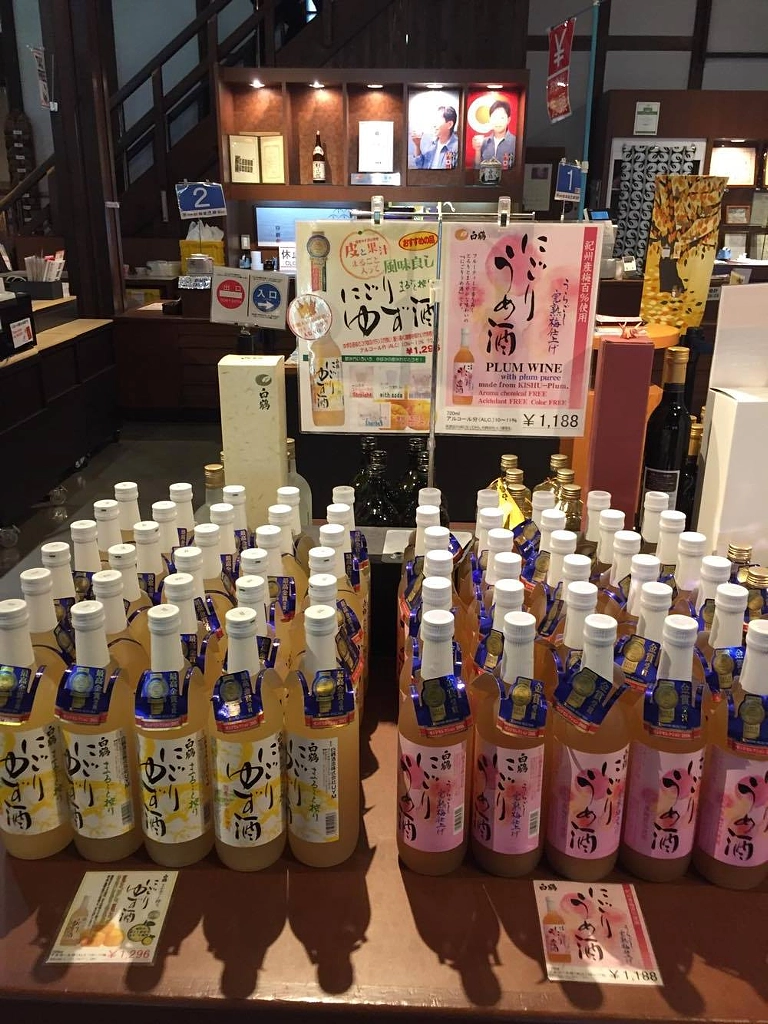
You can also purchase a variety of sake and plum wine here. I really enjoyed the yuzu plum wine, but unfortunately it was too heavy to carry for the day. Instead, I picked up some small cans of fruit flavoured plum wine with jellies inside. So yummy!


DSCF by ukijojo on 500px.com

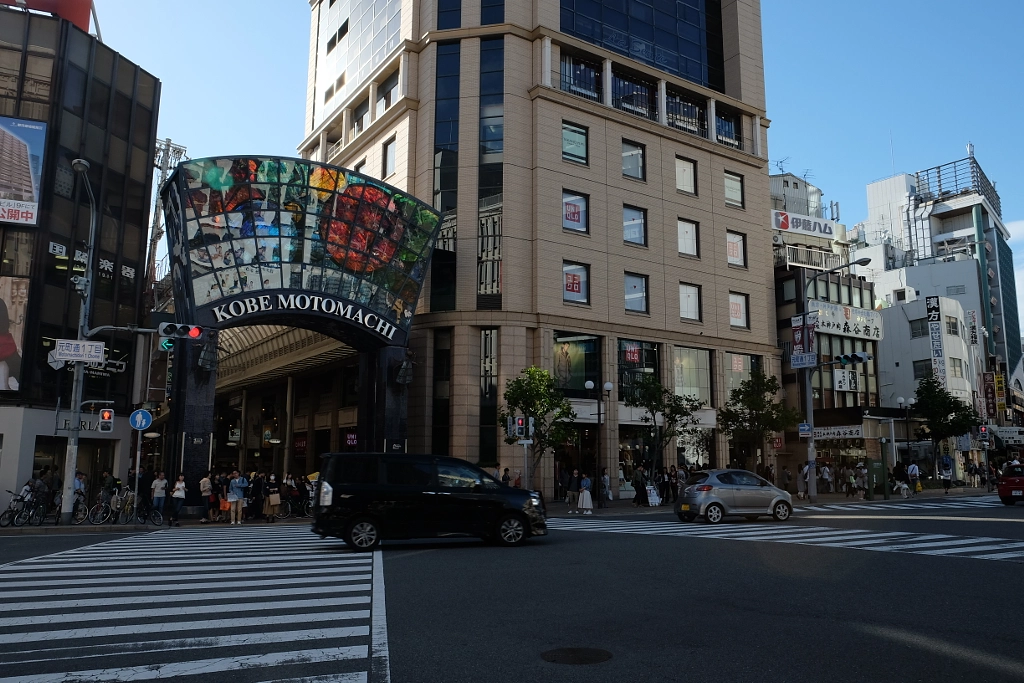
After enjoying some sake, we took the train to Kobe Motomachi, which is one of Kobe’s popular shopping streets. I’m guessing this is their downtown core as there is lots of shops around here. Typical shops as you’ll find in other large cities in Japan and you will also find a Daimaru here where we had lunch in the basement floor.


DSCF by ukijojo on 500px.com

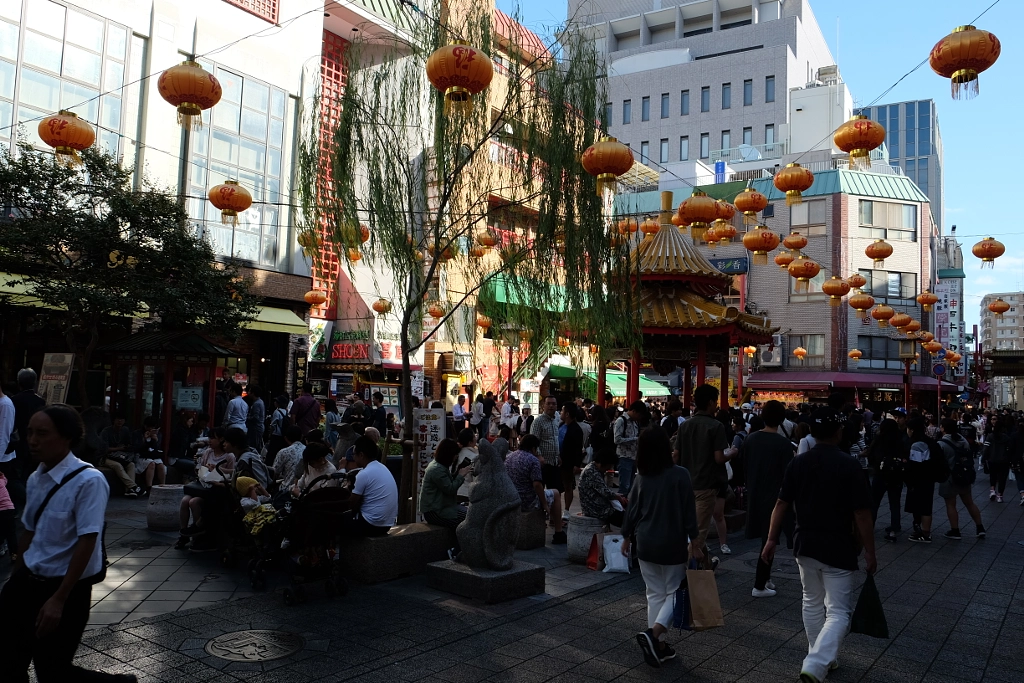
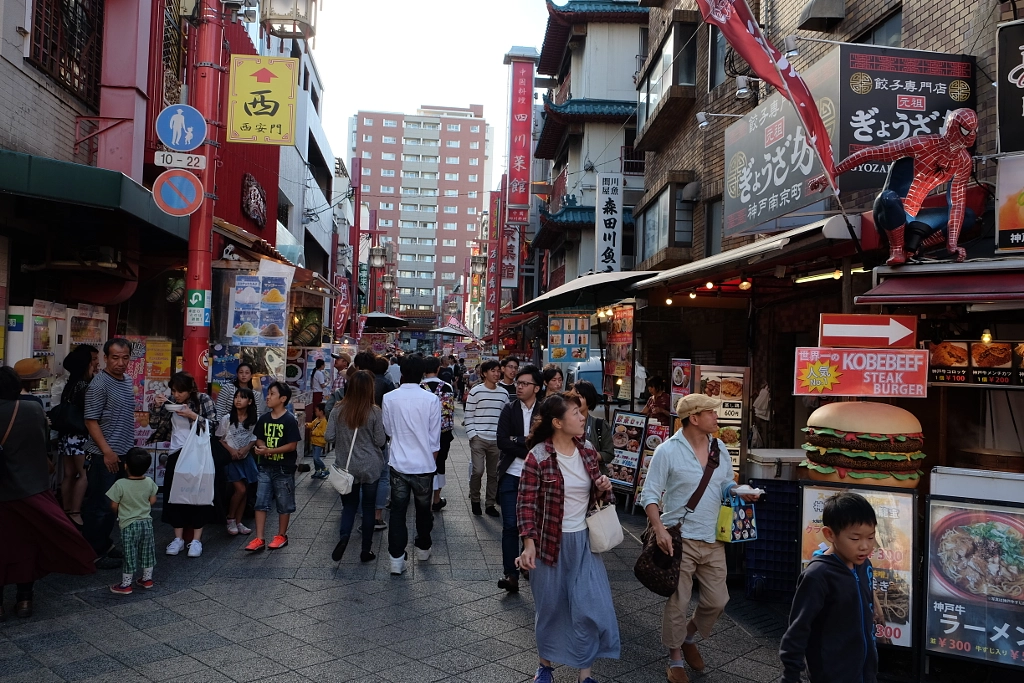
Also nearby is Nankinmachi, which is Kobe’s Chinatown. The Chinatown here is quite dense and compact with around 2 main streets.


DSCF by ukijojo on 500px.com

You will find many stalls here selling Chinese dim sum and cuisine. Not sure how authentic the food here is, but tourists swamped this area.


DSCF by ukijojo on 500px.com

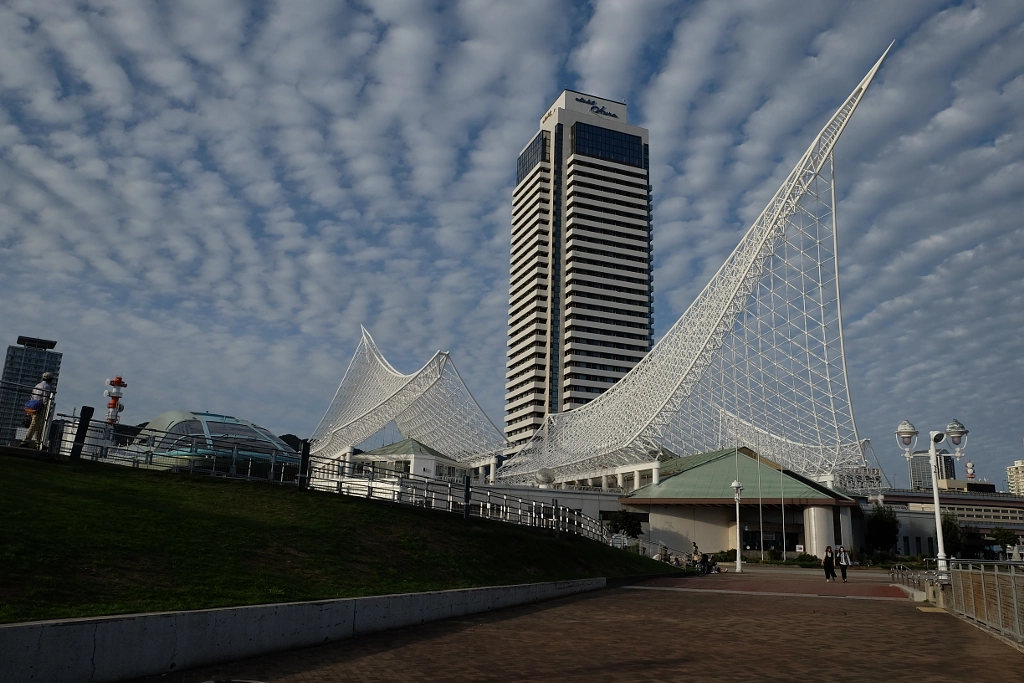
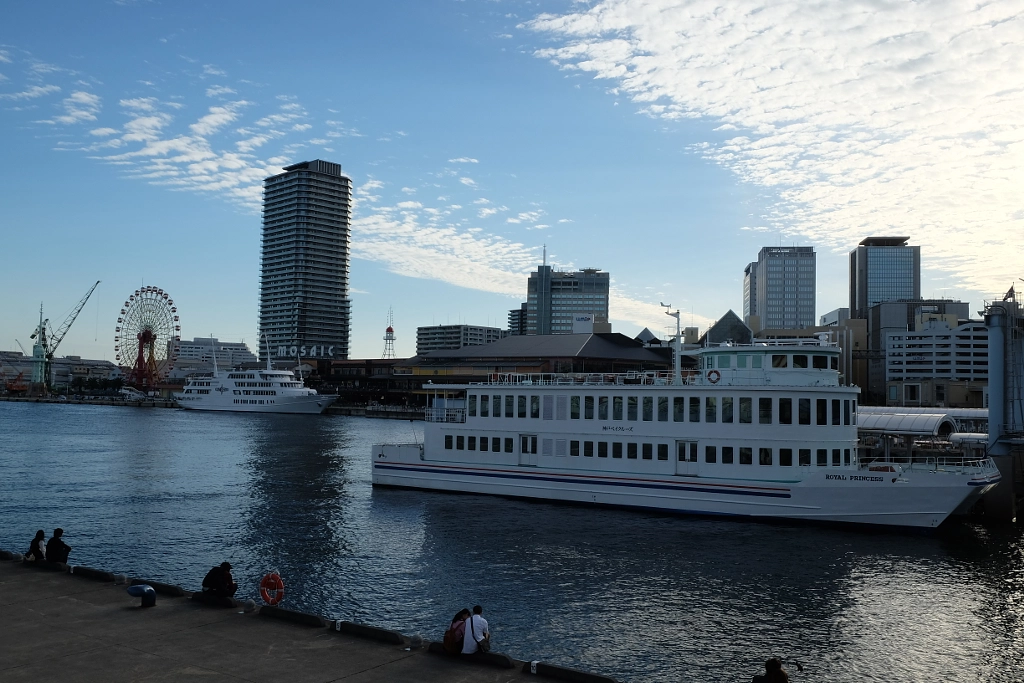
Around a 10 minute walk from the Motomachi area, we headed to Meriken Park, a beautiful waterfront park near Kobe’s port. Here, you will find the Kobe Maritime Museum, which features a really cool roof that is shaped like a sail.


DSCF by ukijojo on 500px.com

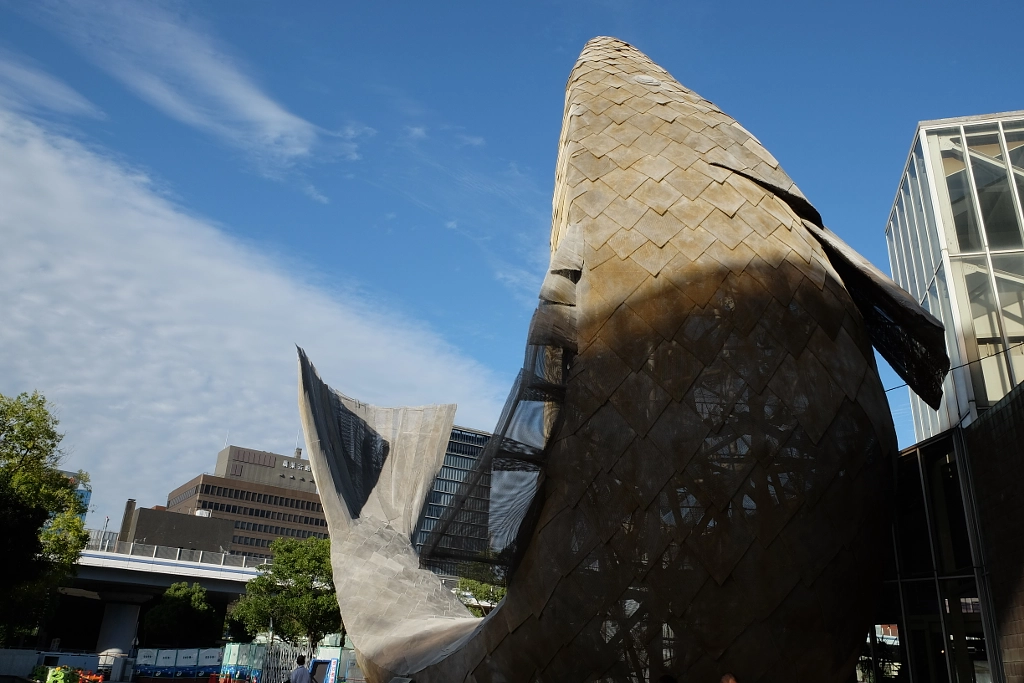
There are some pretty cool architecture and sculptures like this fish in Meriken Park.


DSCF by ukijojo on 500px.com

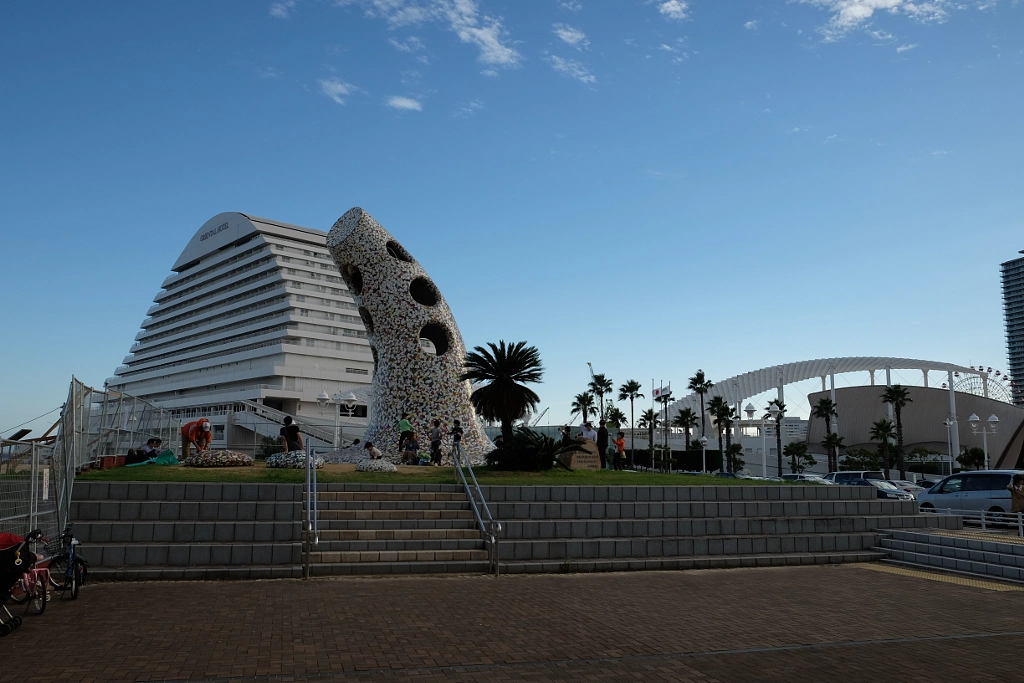
You will find the Meriken Park Oriental Hotel here which faces the water. The park is really relaxing and makes a great walk during a sunny day.


DSCF by ukijojo on 500px.com

If you walk around the waterfront, you will hit the ferris wheel where Kobe Harborland (神戸ハーバーランド) is. This is the shopping and entertainment district and perfect to stop by if you are looking for lunch or dinner.


DSCF by ukijojo on 500px.com

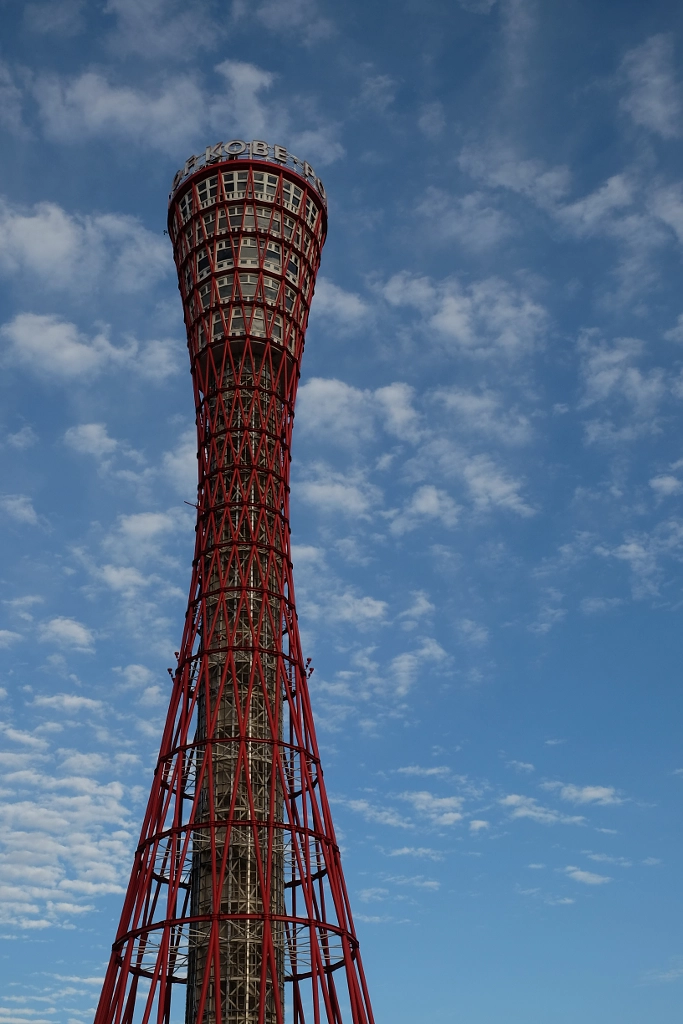
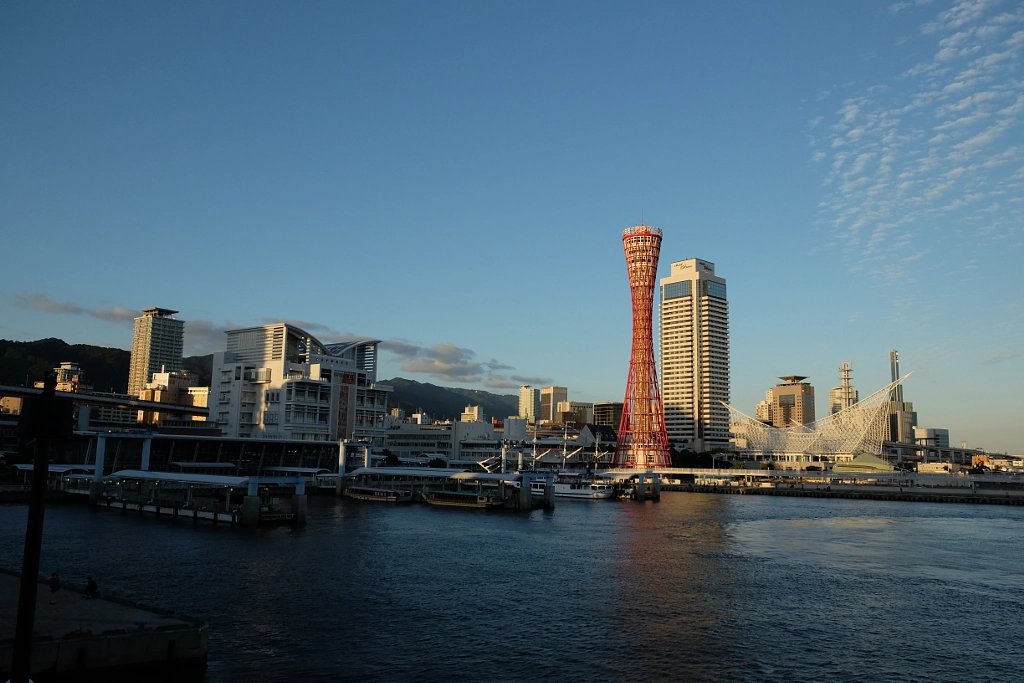
Of course, one of the most popular attractions here is the Kobe Port Tower (神戸ポートタワー). You can pay to go on this observation deck, but the tower is definitely not that tall, so we didin’t find it would be worth it.


DSCF by ukijojo on 500px.com

Overall, we really enjoyed Meriken Park and it was a nice differentiation from the busy city life. After shopping around in the Mosaic Mall, we decided to head back to Osaka for dinner.


DSCF by ukijojo on 500px.com

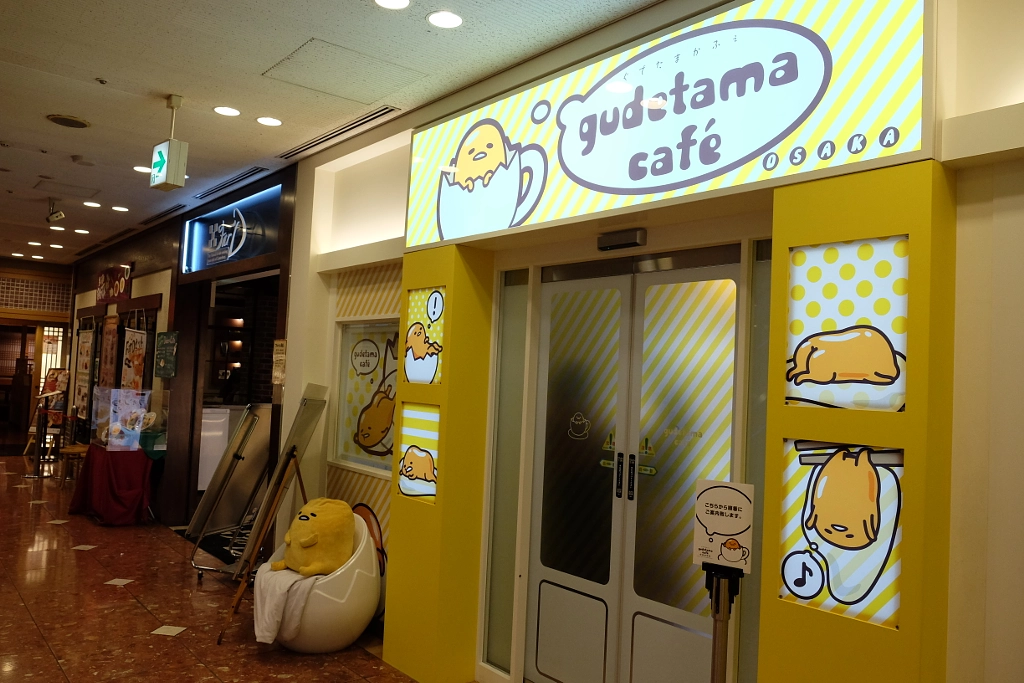
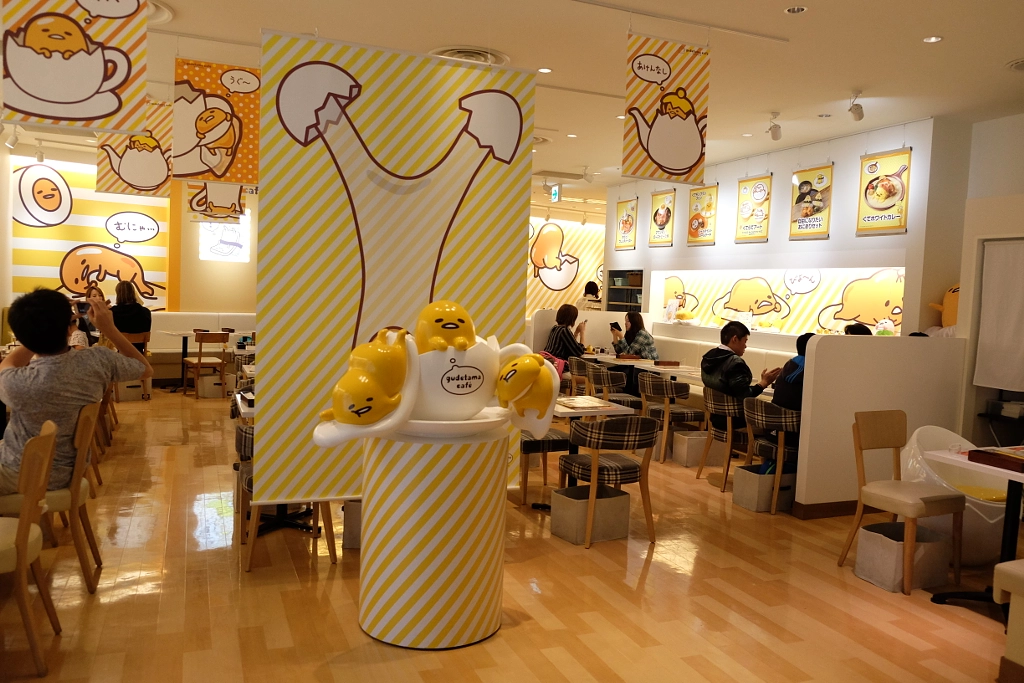
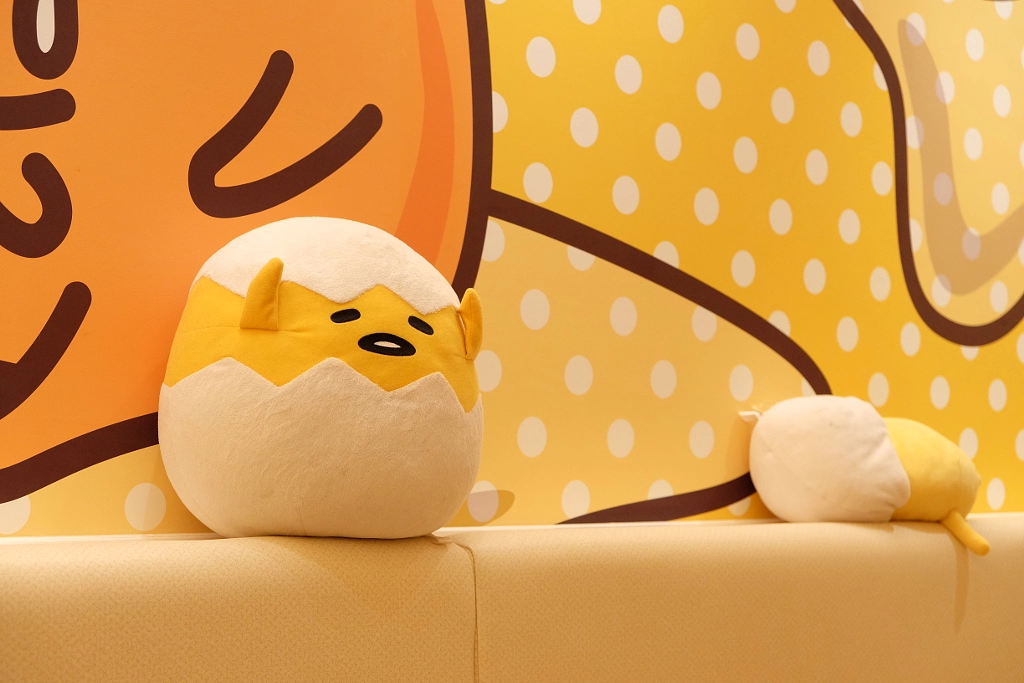
One of the spots I had on my list was the Gudetama Cafe in Osaka. The cafe is located in the Hep Five mall. How cute is this?!

DSCF by ukijojo on 500px.com

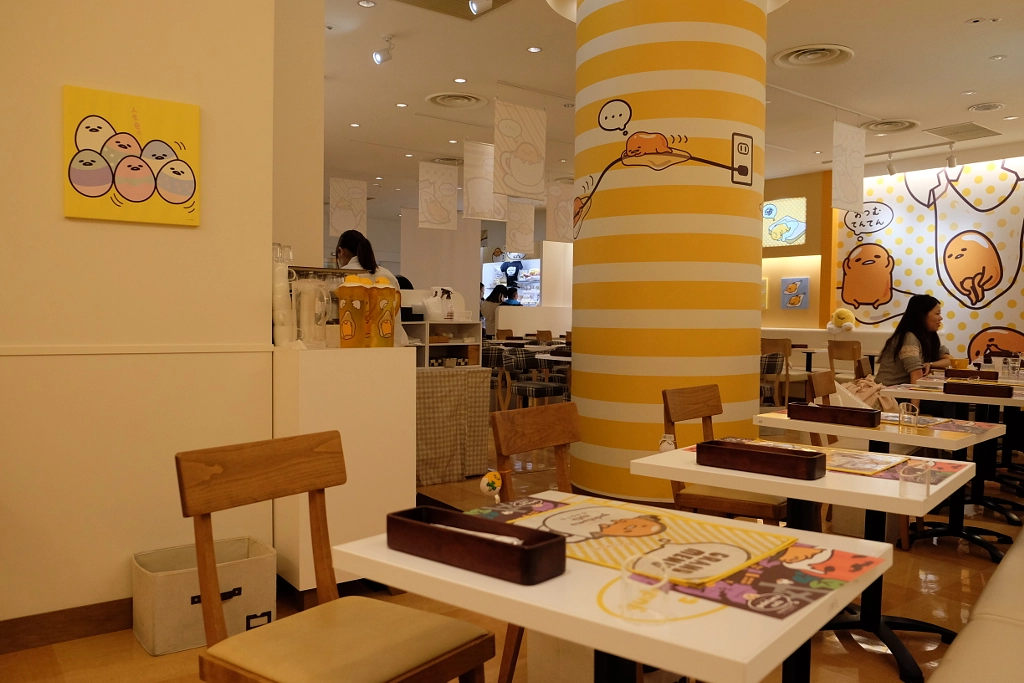
Once you enter, you will find everything gudetama decorated. Seriously perfect for anyone who is a fan.


DSCF by ukijojo on 500px.com

Unfortunately we got seated in a corner, so didn’t get to see as much of the decor from the side. They even have gudetama videos playing the whole time.


DSCF by ukijojo on 500px.com

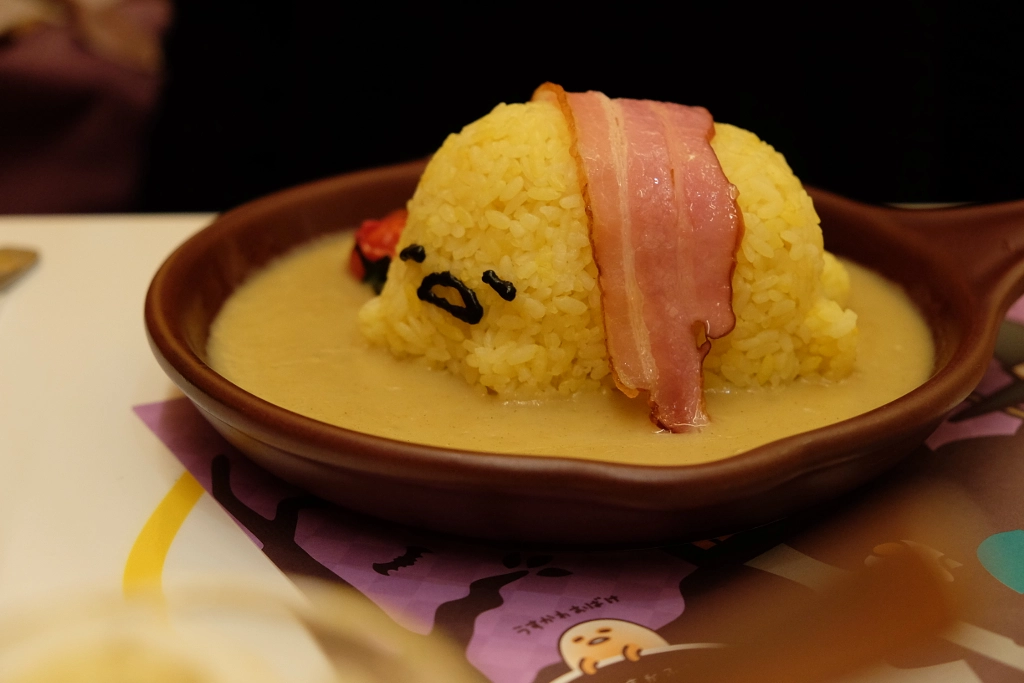
I chose the Curry Rice with bacon. Seriously, this is way too cute to eat! But unfortunately, the food doesn’t taste good at all. The curry tasted like the packs we can make ourselves at home, and the rice was really dry. It had a small side of veggies which were also pretty gross. You are really paying for how cute the dish looks.


DSCF by ukijojo on 500px.com

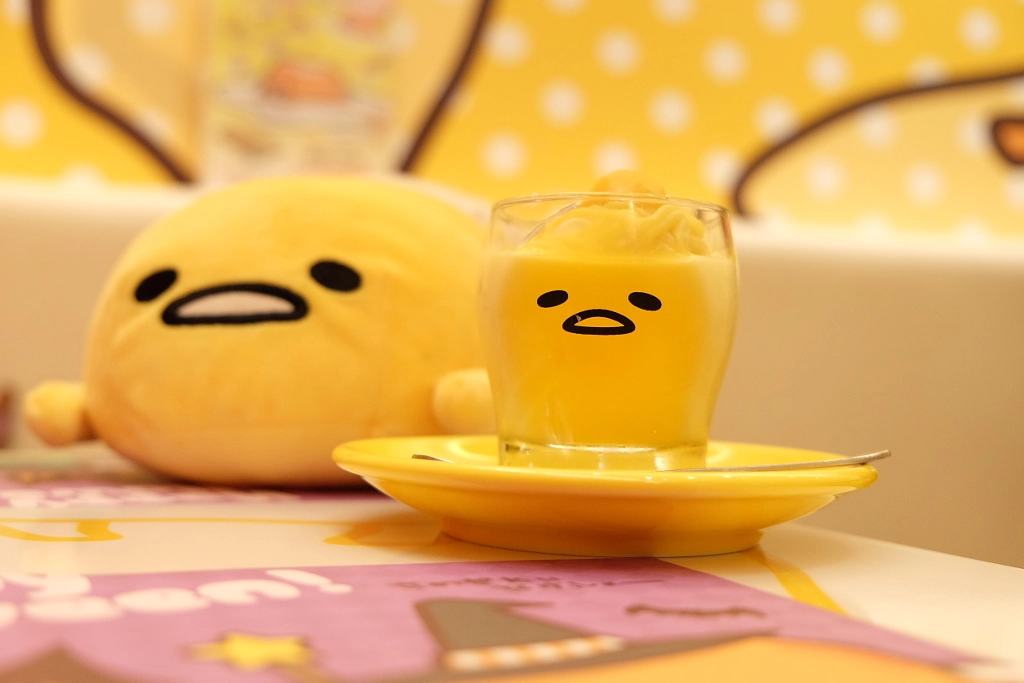
S wasn’t hungry, so he got the Mango Pudding. This one wasn’t too special since the glass already has his face printed on it.


DSCF by ukijojo on 500px.com

Overall, super cute restaurant, with tons of plushies for you to take pictures with. Unfortunately, the food just doesn’t measure up.

And that ended our night in Osaka. The next day, we would head to Hiroshima.